


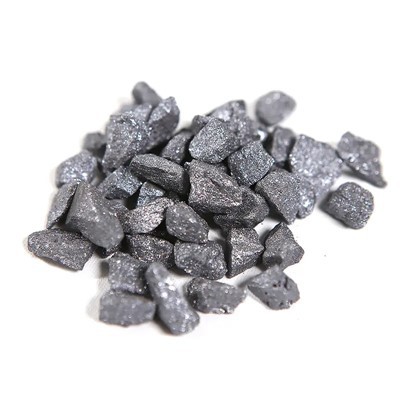
Ferro Silicon 75 Lumps
Products Description
At its core, Ferro Silicon (FeSi) is a ferroalloy-a precise blend of iron (Fe) and silicon (Si). The "75" in its name is its most crucial identifier: it denotes that the alloy is comprised of approximately 75% silicon by weight, with the remainder being iron, plus trace amounts of other elements like aluminum, calcium, and carbon.
The lump form factor is a deliberate and practical choice. Produced by crushing larger, cast blocks of the alloy after it has cooled, lumps typically range in size from 10-100mm. This size is optimal for handling, transportation, and, most importantly, for controlled introduction into high-temperature industrial processes like electric arc furnaces and ladle furnaces. The lump form ensures a predictable melting rate and efficient dissolution into molten metal, preventing excessive losses through oxidation or fuming.
Its production is an energy-intensive feat of pyrometallurgy. The primary method involves the carbothermic reduction of quartzite (a source of silica, SiO₂) in the presence of iron sources like scrap iron or mill scale. This reaction takes place in a submerged arc furnace at temperatures exceeding 1900°C. The tremendous electrical energy required for this process makes the location of FeSi plants often dependent on access to affordable and reliable power. The molten alloy is tapped from the furnace, cast into beds to cool, and then crushed and screened to the specified lump size before being packaged for shipment.
The Indispensable Role in Steelmaking
The steel industry consumes the lion's share of global Ferro Silicon 75 production. Its functions here are multifaceted and critical to producing the vast tonnages of steel used in construction, automotive manufacturing, and infrastructure.
1. Deoxidization (Killing): This is its primary and most vital function. Molten steel, as it is produced, contains dissolved oxygen. If this oxygen is not removed, it would form gas pockets (porosity) and oxides (inclusions) as the steel solidifies, rendering the final product weak and brittle. Ferro Silicon 75 acts as a powerful deoxidizing agent, or "killer." The silicon has a high affinity for oxygen, reacting with it to form silicon dioxide (SiO₂), which rises to the surface of the molten metal as slag and is easily removed. This process yields a cleaner, more homogeneous, and stronger steel. The choice of FeSi over pure silicon is driven by efficiency; the iron component lowers the melting point of the alloy, allowing it to melt and react more readily in the steel bath.
2. Alloying Element: Beyond cleaning the steel, silicon is intentionally added as an alloying element in specific steel grades. Silicon significantly enhances the strength and hardness of steel. It is a key component in spring steels, which require high elastic limits, and in transformer steels, where its unique magnetic properties are essential for reducing energy loss. It also improves the corrosion resistance and wear resistance of certain alloys.
3. Nucleant for Graphite Formation: In the production of cast iron, Ferro Silicon 75 is used to inoculate the melt. inoculation is the process of adding a material to promote the formation of graphite as the iron solidifies. This controlled formation of graphite flakes or nodules is what gives cast iron its characteristic machinability, damping properties, and strength. Without proper inoculation, the carbon in the iron would form hard, brittle iron carbide, making the casting unusable.
Applications Beyond Steel: A Versatile Workhorse
While steelmaking is its dominant market, the utility of Ferro Silicon 75 Lumps extends into several other high-value industries.
- Foundry Industry: As an inoculant for cast iron, it is a staple in foundries worldwide, ensuring the production of high-quality engine blocks, manhole covers, pipes, and a myriad of other cast components.
- Magnesium Production: The Pidgeon process, a primary method for magnesium metal production, uses Ferro Silicon 75 as a reducing agent. In a vacuum furnace at high temperatures, it reduces dolomite (a calcium-magnesium carbonate) to yield magnesium vapor, which is then condensed into pure metal.
- Welding Electrode Manufacture: The alloy is crushed into a fine powder and used as a coating component on welding rods. Here, it serves as a deoxidizer, cleansing the weld pool to prevent porosity and ensure a strong, clean weld joint.
- Other Ferroalloy Production: It serves as a raw material and reducing agent in the production of other silicon-based ferroalloys, such as ferro magnesium silicon and calcium silicon.
- Dense Media Separation: In mineral processing, finely ground Ferro Silicon is suspended in water to create a dense medium slurry. This slurry is used in cyclones to separate valuable minerals from gangue based on their specific gravity, a critical step in coal washing and diamond processing.
The Procurement Equation: Key Specifications and Quality Metrics
For buyers and technical managers, specifying Ferro Silicon 75 Lumps goes beyond just the silicon content. Several other parameters dictate its performance and value.
- Silicon Content (%Si): The primary specification. Typically 74-76%. Higher silicon content means more deoxidizing/alloying power per ton.
- Impurity Levels: This is often where quality is determined.
- Aluminum (Al): A critical impurity. High Al content (e.g., >1.5%) can be detrimental in steelmaking, as it can lead to the formation of unwanted aluminum oxides that can clog continuous casting nozzles. Low-aluminum FeSi commands a premium.
- Calcium (Ca) and Carbon (C): Generally controlled to low levels. High carbon can be undesirable in certain low-carbon steel grades.
- Size Distribution: Consistency is key. The lump size must be within the agreed range (e.g., 10-50mm, 50-100mm) to ensure predictable melting behavior. Excessive fines can lead to oxidation losses and handling issues, while overly large lumps may melt too slowly.
- Appearance: Should be a uniform silver-grey color, free from excessive surface oxidation or contamination.
Navigating the Market: Trends and Strategic Sourcing
The global Ferro Silicon market is dynamic and influenced by a complex interplay of factors. Strategic sourcing requires an awareness of these forces.
- Energy Costs: As an electricity-intensive product, the price of FeSi is highly correlated with power prices. Regions with hydropower or other low-cost energy sources (like parts of Scandinavia, the Middle East, and certain provinces in China) have a natural production advantage. Spikes in energy costs can quickly translate into higher FeSi prices worldwide.
- Chinese Dominance and Policy: China is the world's largest producer and consumer of Ferro Silicon. Chinese government policies on environmental protection, energy consumption, and export tariffs have an outsized impact on global supply and pricing. Production cuts mandated to meet energy targets can swiftly tighten the global market.
- Raw Material Availability: The cost and availability of quartzite, coke (as the reductant), and iron scrap directly influence production costs.
- Logistics and Geopolitics: As a bulk commodity, shipping costs and availability of containers or bulk carriers are a significant component of the landed price. Geopolitical events, tariffs, and trade disputes can disrupt established supply chains.
- The Green Steel Transition: The global push for decarbonization is perhaps the largest long-term trend affecting the industry. Electric Arc Furnaces (EAFs), which primarily use recycled scrap steel, have a far lower carbon footprint than traditional blast furnaces. FeSi is a critical input for EAF steelmaking. Therefore, the growth of EAF-based "green steel" production is a strong bullish driver for long-term Ferro Silicon demand. Conversely, producers are also under pressure to reduce the carbon footprint of FeSi itself, leading to investments in more energy-efficient furnaces and renewable energy sources for production.
The Future is Alloyed
Ferro Silicon 75 Lumps are far more than a simple commodity; they are a foundational enabler of industrial modernity. From the rebar in our buildings and the chassis of our cars to the intricate engine blocks and durable pipes that form the skeleton of our society, this alloy plays a pivotal role in determining the quality, properties, and economics of the materials we depend on.
For professionals engaged in its use, specification, or procurement, a nuanced understanding of its production, applications, and market drivers is no longer optional. It is essential for ensuring supply chain resilience, optimizing production costs, and maintaining the highest quality standards in their final products. In the relentless pursuit of stronger, lighter, and more sustainable materials, the humble lump of Ferro Silicon 75 will undoubtedly remain a key ingredient for decades to come. Its story is a powerful reminder that the most impactful innovations are often those that work silently behind the scenes, empowering the visible marvels of engineering and construction that define our world.
Hot Tags: ferro silicon 75 lumps, China ferro silicon 75 lumps manufacturers, suppliers, factory, Cored Wire, Other Ferro Alloy, Silicon Carbide, Silicon Series, Silicon Slag, Silicon Slag To Replace Fesi And Reduce The Cost
You Might Also Like


Send Inquiry