


High-Purity Metallic Silicon For Industrial Applications
Products Description
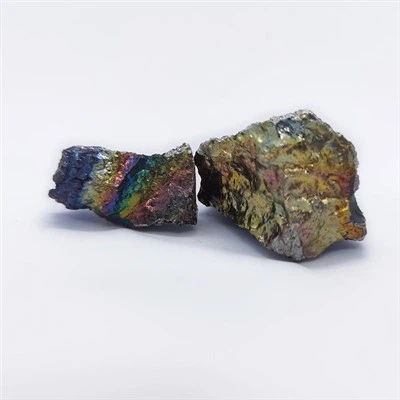
Silicon metal, also known as industrial silicon, is a product smelted from silica and carbonaceous reducing agents in submerged arc furnaces. The main component silicon content is usually above 98.5% and below 99.99%. The remaining impurities are iron, aluminum, calcium, etc. . In China, metal silicon is usually divided into different grades such as 553, 441, 421, 3303 and 2202.
Due to its semiconductor properties, thermal stability, and chemical resistance, silicon metal is a crucial raw material in multiple industries, including electronics, solar energy, aluminum alloys, and chemicals.

Specifications
Product grades Chemical composition(%)
| Product grades | Chemical composition(%) | |||
| Si | Fe | Al | Ca | |
| 2202 | 99.58 | 0.2 | 0.2 | 0.02 |
| 3303 | 99.37 | 0.3 | 0.3 | 0.03 |
| 441 | 99.1 | 0.4 | 0.4 | 0.1 |
| 553 | 98.7 | 0.5 | 0.5 | 0.3 |
| 97 | ≤97 | |||
Key Features & Benefits
High Purity & Semiconductor Properties
Silicon metal is refined to ultra-high purity levels (up to 99.9999% for electronic-grade silicon).
Its semiconductor properties make it essential for manufacturing integrated circuits, microchips, and photovoltaic cells.
01
Excellent Thermal & Chemical Stability
Resists oxidation at high temperatures, making it ideal for high-heat applications.
Chemically inert to most acids (except hydrofluoric acid) and alkalis.
02
Lightweight & High Strength
When alloyed with aluminum, silicon metal enhances strength while reducing weight, crucial for automotive and aerospace applications.
03
Applications
Electronics & Semiconductor Industry
Integrated Circuits (ICs) & Microchips: Silicon wafers serve as the base material for CPUs, memory chips, and other electronic components.
Diodes & Transistors: Doped silicon is used in power electronics, LED technology, and telecommunications.
Solar Energy (Photovoltaic Cells)
Solar Panels: High-purity silicon is processed into monocrystalline or polycrystalline silicon to convert sunlight into electricity.
Thin-Film Solar Cells: Amorphous silicon is used in flexible and lightweight solar applications.
Aluminum Alloys
Silicon (as a silicon-aluminum alloy) improves castability, strength, and corrosion resistance.
Used in automotive parts (engine blocks, wheels), aerospace components, and construction materials.
Automotive Industry
Chemical Industry
Silicones Production: Silicon metal is a precursor for silicones, used in lubricants, sealants, adhesives, and medical implants.
Silanes & Silicone Resins: Used in waterproof coatings, electrical insulation, and high-temperature resistant materials.
Chemical Industry
Refractories & Metallurgy
Added to steel and cast iron to improve deoxidization and strength.
Used in high-temperature refractory materials for furnaces and kilns.
Construction and Infrastructure
Other Applications
Batteries: Silicon anodes are being developed for next-generation lithium-ion batteries.
Ceramics & Glass: Silicon enhances durability and thermal shock resistance in ceramics and specialty glass.
Outlook for Silicon Metal
Silicone is the largest consumer product of metal silicon, mainly used in silicone rubber, silicone oil, etc. With the continuous development of the economy, the demand of the downstream industry of organosilicon will expand, and the consumption of organosilicon to metal silicon will continue to grow in the future. In terms of aluminum alloys, metal silicon is used in the alloy industry to produce silicon-aluminum alloys, copper-silicon alloys, and ferrosilicon. Demand for aluminum alloys and silicon metal is currently stable.
The photovoltaic industry is developing rapidly. In the future, as the price of photovoltaic products continues to decline, the cost of photovoltaic power generation will also decrease year by year, driving the photovoltaic market, and the demand for metal silicon will continue to rise.
The production of raw silicon adopts carbothermal method, that is, silicon dioxide and carbonaceous reducing agent are smelted in a submerged arc furnace. In this way, the purity of silicon will reach about 97% to 98%, and such silicon can generally be used in metallurgy. If the grade of silicon is higher, it needs to be refined to remove impurities to obtain metallic silicon with a purity of 99.7% to 99.8%.
China, Brazil, Norway, the United States and France are the major producers of silicon metal in the world. Due to resource advantages, China has low-cost, high-quality silicon metal raw materials, and the production of metal silicon is mainly concentrated in China. In 2020, China's silicon metal production ranks first in the world, accounting for about 69.3%; followed by Brazil and Norway, accounting for 7.3% and 6.6% of production respectively.
FAQ
Q: What is Foreign Trade-Express?
A: Foreign Trade Express is a one-stop intelligent foreign trade network marketing SaaS system platform.
Q: Are you a manufacture or trader?
A: We are manufacture.
Q: How are the products' quality?
A: The products will be strictly inspected before shipment, so the quality could be guaranteed.
Q: How about your company's certification?
A: ISO9001 and Test Report.
Q: What's the MOQ of trial order?
A: No limit,We can offer the best suggestions and solutions according to your condition.
Q: How long is delivery time?
A: The delivery time will be determined according to the quantity of the order.
Hot Tags: high-purity metallic silicon for industrial applications, China high-purity metallic silicon for industrial applications manufacturers, suppliers, factory, Calcium Silicon Casi Alloy, Cored Wire, Ferro Chrome, Ferro Silicon Barium Fesiba, Other Ferro Alloy, Silicon Carbon Alloy
You Might Also Like




Send Inquiry