


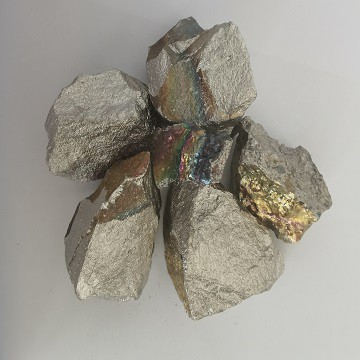
Silicon Magnesium For Steelmaking
Products Description
Silicon magnesium is an alloy primarily composed of magnesium (Mg) and silicon (Si), often with small amounts of other elements like aluminum or zinc to enhance specific properties. The addition of silicon improves:
- Strength & Durability 💪
- Heat Resistance 🔥
- Corrosion Resistance 🛡️
- Machinability ⚙️
This makes SiMg alloys ideal for applications where weight savings and structural integrity are critical.

Key Benefits of Silicon Magnesium
1. Lightweight Yet Strong ✈️
Magnesium is already one of the lightest structural metals, but its pure form lacks strength. Adding silicon creates a lightweight yet robust material perfect for:
- Aerospace components (e.g., aircraft frames, engine parts)
- Automotive parts (e.g., wheels, transmission cases)
- Portable electronics (e.g., laptop frames, smartphone casings)
2. Superior Heat Resistance 🔥
Silicon enhances magnesium's ability to withstand high temperatures, making SiMg alloys ideal for:
- Engine blocks and exhaust systems in cars 🚗
- Industrial machinery exposed to extreme heat 🏭
- Spacecraft components that face thermal stress 🛰️
3. Improved Corrosion Resistance 🛡️
While pure magnesium is prone to oxidation, silicon forms a protective layer that reduces corrosion, extending the lifespan of:
- Marine equipment 🌊
- Outdoor structures 🏗️
- Medical implants (due to biocompatibility) ⚕️
4. Enhanced Machinability & Castability ⚙️
Silicon magnesium alloys are easier to cast, mold, and machine than many other metals, reducing production costs for:
- Complex automotive parts 🚘
- Precision industrial tools 🔧
- Consumer electronics housings 📱
Industries Leveraging Silicon Magnesium
1. Automotive & Transportation 🚗
Car manufacturers are constantly seeking ways to reduce vehicle weight without sacrificing safety. Silicon magnesium alloys help achieve this by replacing heavier metals in:
- Engine components
- Wheel rims
- Chassis parts
🔹 Fun Fact: Tesla and other EV manufacturers use magnesium alloys to extend battery life by reducing overall weight!
2. Aerospace & Defense ✈️
Weight savings are critical in aerospace. SiMg alloys contribute to:
- Lighter aircraft frames
- Heat-resistant engine parts
- Satellite components
🔹 Did You Know? NASA and SpaceX utilize magnesium-silicon alloys in spacecraft due to their high strength-to-weight ratio.
3. Electronics & Consumer Tech 📱
From laptops to wearables, silicon magnesium provides:
- Durability without added bulk
- Heat dissipation for better performance
- A sleek, premium finish
🔹 Example: Apple has explored magnesium alloys for MacBook casings to make them lighter and stronger.
4. Medical & Biomedical Applications ⚕️
Thanks to its biocompatibility, silicon magnesium is used in:
- Biodegradable implants (dissolves safely in the body)
- Surgical tools
- Prosthetics
Challenges & Future Innovations
While silicon magnesium offers incredible benefits, there are still hurdles:
- Higher cost compared to aluminum alloys 💰
- Limited global supply of high-purity magnesium 🌍
- Ongoing research to improve corrosion resistance further 🧪
However, advancements in nanotechnology and alloy engineering are paving the way for even better SiMg materials. Researchers are exploring:
- Graphene-reinforced magnesium alloys for unprecedented strength 🚀
- Self-healing coatings to combat corrosion 🛠️
- 3D-printed SiMg components for custom industrial solutions 🖨️
Hot Tags: silicon magnesium for steelmaking, China silicon magnesium for steelmaking manufacturers, suppliers, factory, Calcium Silicon Casi Alloy, Cored Wire, Other Ferro Alloy, Silicon Carbide, Silicon Manganese, Silicon Slag
Previous
Magnesium SilicideYou Might Also Like


Send Inquiry