


Silicon Slag Low Price Factory Direct Supply
Products Descriptio
Composition and characteristics of silicon slag
1. Chemical composition
The main components of silicon slag include:
Silicon (Si): usually between **40%-60%**.
Oxygen (O): There are a lot of oxide forms, especially silicon dioxide (SiO₂).
Iron (Fe): Contains a certain amount of iron, generally between **5%-15%**.
Calcium (Ca): Calcium oxide (CaO) is one of the common components.
Other metal elements such as aluminum (Al) and **manganese (Mn)** may also exist in some cases.
2. Physical properties
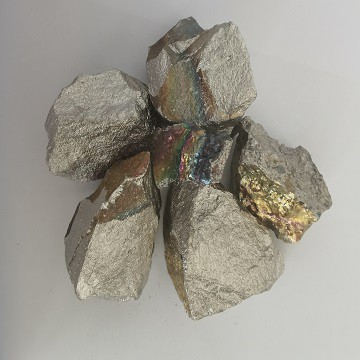
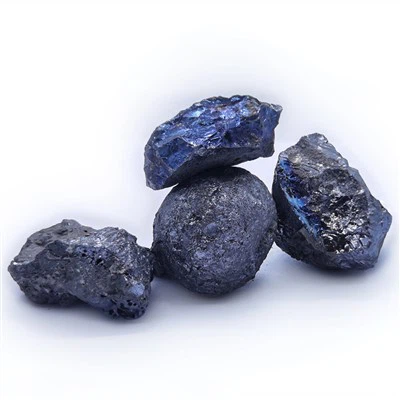
Appearance: Usually gray or black, granular or blocky.
Density: Generally high, but not as high as metallic silicon.
Melting point: Due to the complex composition of silicon slag, the melting point will vary to a certain extent, usually between 1300°C-1600°C.
Chemical activity: Silicon slag contains a large amount of silicon dioxide (SiO₂) and other active metal oxides, and has strong reactivity.
Application fields of silicon slag
1. Metallurgical industry
Ferroalloy production: Silicon slag can be used as a raw material for the production of some special ferroalloys, especially in the production of high silicon iron (FeSi), the silicon content of silicon slag can be effectively utilized.
Steel smelting: Silicon slag can be used as a deoxidizer, desulfurizer and smelting agent to help remove oxygen and sulfur from molten steel and improve the quality of steel. Especially in the refining process of steel production, silicon slag helps to remove impurities.
Aluminum alloy production: Silicon slag can be used for the modification of aluminum alloys or as an alloying agent to improve the strength and corrosion resistance of aluminum alloys.
2. Cement and building materials
Cement production: Silicon slag contains rich silicon dioxide and can be used as a substitute for cement to improve the strength of cement, especially in the production of high-performance cement and special cement.
Building materials: Silicon slag can also be used as a filling material in concrete to improve the density and hardness of concrete while reducing costs.
3. Agricultural fertilizer
Soil conditioner: The silicon element in silicon slag can promote the growth of plant roots and enhance the resistance of plants to diseases, so it can be used as a soil conditioner in agriculture. Especially for crops such as rice, silicon slag can promote plant growth and improve soil quality.
Trace element fertilizer: Silicon slag contains a small amount of calcium, iron, aluminum and other elements, which can be used as a trace element supplement for soil.
4. Environmental protection
Wastewater treatment: The chemical activity of silicon slag allows it to be used to treat some industrial wastewater, especially water bodies containing metal ions and pollutants.
Adsorption material: Due to its high surface area and chemical activity, silicon slag can be used to adsorb harmful substances in water, such as heavy metal ions, ammonia nitrogen, etc.
5. Other applications
Refractory materials: The silicon dioxide component in silicon slag makes it have certain applications in refractory materials, especially in high-temperature working environments.
Foundry industry: In the casting process, silicon slag can be used as a raw material for casting sand to help improve the surface quality and dimensional stability of castings.
Advantages and Challenges of Silicon Slag
1. Advantages
Resource Utilization: Silicon slag is a by-product of the smelting process. Reasonable use of silicon slag can achieve resource recovery and reuse, and reduce the pressure of waste treatment.
Economic Value: The use of silicon slag can reduce the cost of some production processes, especially in cement, building materials and agriculture.
Environmental Protection: The use of silicon slag can reduce the accumulation of waste, avoid environmental pollution, and comply with the principle of sustainable development.
2. Challenges
Unstable composition: The composition of silicon slag has a certain variability, and the composition of silicon slag from different sources varies greatly, so strict quality control is required when it is applied.
High Energy Consumption: Although silicon slag can be used as a raw material for some products, its production process itself consumes a lot of energy and requires high temperature conditions, so the process needs to be optimized to improve energy efficiency.
Environmental Pollution: Some harmful gases, such as sulfur dioxide, may be released during the treatment of silicon slag, so environmental protection measures need to be taken during the production process to reduce the impact on the environment.
Treatment and Utilization of Silicon Slag
As a by-product of smelting, silicon slag usually needs to be treated before it can be used. Common treatment methods include:
Crushing and screening: breaking silicon slag into smaller particles for easy application in various industries.
Smelting and refining: further smelting of silicon slag to extract useful metal components, especially silicon and iron.
Chemical treatment: chemical treatment of silicon slag to remove undesirable impurities and make it suitable for certain high-end applications.
SPECIFICATION
Silicon slag chemical Composition:


Hot Tags: silicon slag low price factory direct supply, China silicon slag low price factory direct supply manufacturers, suppliers, factory, Cored Wire, Other Ferro Alloy, Silicon Carbide, Silicon Carbon Alloy, Silicon Series, Silicon Slag
You Might Also Like


Send Inquiry