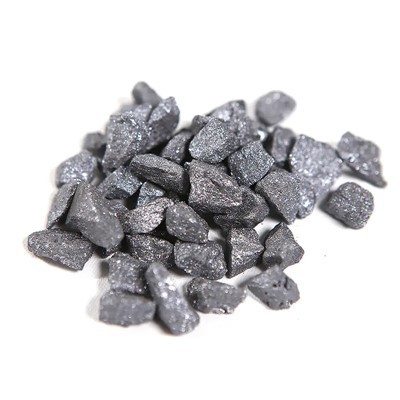
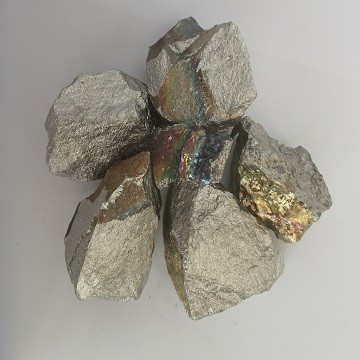
Here are the key conditions under which silicon slag can be effectively substituted:
1. Condition: When the Primary Goal is Deoxidation
Explanation: The most common use of ferrosilicon is as a deoxidizer in the steelmaking furnace or ladle. Silicon slag, which contains significant amounts of recoverable silicon (typically 40-70%), can perform this function. The active silicon in the silicon slag bonds with oxygen, forming silica slag that floats to the top for removal.
2. Condition: When the Silicon Recovery Rate is Understood and Accounted For
Explanation: Not all silicon in silicon slag is available for reaction. The "effective" or "recoverable" silicon content is crucial. Metallurgists must calculate the correct amount of silicon slag to add based on its proven recovery rate in their specific process to achieve the target silicon level in the molten steel, unlike the more predictable and higher recovery from pure ferrosilicon.
3. Condition: When Impurity Tolerance is High
Explanation: Silicon slag contains more impurities (such as aluminum, calcium, carbon, and trace elements) than refined ferrosilicon. Its use is acceptable in steel grades where these additional elements do not negatively impact the final steel's properties (e.g., some common construction steels). For high-grade, clean, or specialty steels, the impurity profile of the silicon slag may disqualify it.
4. Condition: When Used in Foundry or Secondary Refining Processes
Explanation: Silicon slag is often a suitable and economical choice in foundries for producing cast iron or in secondary steelmaking (ladle furnaces) for adjustment and final deoxidation, where precise but less stringent specifications are common.

5. Condition: When Cost Reduction is a Critical Priority
Explanation: The lower price per metric ton of silicon slag is its main advantage. If the conditions above are met, substituting with silicon slag can significantly reduce alloy addition costs without compromising the basic quality of the steel. The cost-benefit analysis of using silicon slag versus ferrosilicon must include factors like recovery rate, handling, and potential slag volume changes.
6. Condition: When Sourcing and Consistency are Reliable
Explanation: The chemical composition of silicon slag can vary more from batch to batch compared to standardized ferrosilicon grades. Successful substitution requires a reliable supplier who can provide silicon slag with a consistent and guaranteed minimum silicon content and a known range of impurities.
Conclusion
In summary, silicon slag is a viable, cost-effective substitute for ferrosilicon primarily in deoxidation applications for standard steel grades, provided its effective silicon content is correctly calculated and its impurity profile is acceptable for the final product. It is not a direct 1:1 substitute for high-precision applications. The decision to use silicon slag ultimately hinges on a balance between economic benefit and technical suitability for a given steelmaking practice.