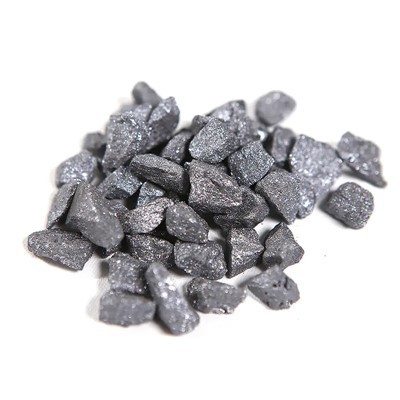
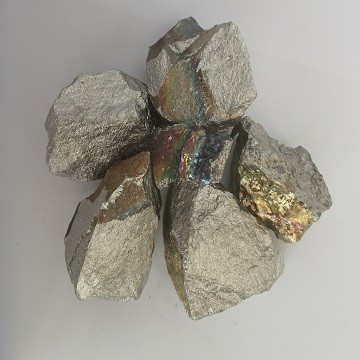
Is Ferro-Silicon Just a Simple Additive, or a Strategic Material Shaping Modern Industry?
Ferro-silicon (FeSi) is often perceived as a straightforward alloying material, primarily known for its role in steelmaking. However, its significance extends far beyond the steel mill. This ferroalloy, composed of iron and silicon, is a critical enabler of modern industrial capabilities, from the structural steel in our cities to the electrical steels powering the electric vehicle revolution. To truly understand its value, we must explore not only what it is and how it's made, but also the complex challenges and strategic importance it holds in the global market.
The Foundation: Composition and Production
At its core, ferro-silicon is an alloy of iron and silicon, typically containing between 15% and 90% silicon by weight, with the most common grades being FeSi45, FeSi65, and FeSi75. The remainder is predominantly iron, with smaller amounts of elements like aluminum, calcium, carbon, phosphorus, and sulfur influencing the final product's quality and application.
The manufacturing process is an energy-intensive feat of high-temperature metallurgy known as carbothermic reduction. This process takes place in submerged electric arc furnaces, where intense heat (ranging from 1600°C to 2000°C) is required to drive the chemical reactions. The primary raw materials are:
Silica (quartz or sand) as the silicon source.
Carbon materials like coke, coal, or charcoal as the reducing agent.
Iron sources such as scrap iron or iron ore.
In the furnace, the carbon reacts with the silicon dioxide (SiO₂) to produce molten silicon, which then combines with the iron to form the ferro-silicon alloy. The specific ratio of these inputs, along with precise temperature control, determines the final grade and composition of the product.
The Core Application: A Deoxidizer and Alloying Agent
Ferro-silicon's primary and most well-known application is in steelmaking. It serves a dual purpose that is vital for producing high-quality steel.
First, it is a powerful deoxidizer. During the steelmaking process, oxygen is dissolved in the molten steel, which can lead to defects and brittleness in the final product. Silicon has a high affinity for oxygen. When ferro-silicon is added to the molten steel, the silicon reacts with the oxygen to form silicon dioxide (SiO₂) slag, effectively removing the harmful oxygen and purifying the steel.
Second, it is used as an alloying element. The silicon introduced into the steel matrix enhances its mechanical and physical properties. It increases the steel's strength, hardness, and elasticity, making it essential for high-strength structural steels, spring steels, and wear-resistant steels.
Beyond the Mill: Specialty Applications
While steel deoxidation consumes the majority of ferro-silicon production, its role in more specialized applications highlights its strategic value.
The Electrical Revolution: Silicon Steel
One of the most crucial, and increasingly important, uses of high-purity ferro-silicon is in the production of electrical steel (silicon steel). By adding silicon to iron (typically 2–8% Si), the electrical resistivity of the metal increases, which drastically reduces eddy current losses-a critical factor for energy efficiency in transformers, motors, and generators. This application is directly linked to global decarbonization efforts. The rising demand for electric vehicles (EVs) and renewable energy infrastructure is spurring demand for high-grade electrical steel and, consequently, high-quality ferro-silicon.
The Foundry Industry: Inoculation and Nodularization
In the production of cast iron, ferro-silicon acts as an inoculant and a nodularizer. When added to molten cast iron, it promotes the formation of graphite in a desired microstructure, controlling the final properties of the metal. Ferro-silicon-based inoculants can include other elements like calcium, strontium, or barium to control graphite morphology and enhance the mechanical properties of castings.

The Challenges: A Market of Volatility and Risk
Despite its critical importance, the ferro-silicon industry operates within a landscape of significant challenges and strategic complexities.
1. The Problem of "Fines" and Disintegration
One of the most significant technical challenges is the inherent reactivity of ferro-silicon, especially when impurities are present. Ferro-silicon can react with atmospheric moisture to produce hydrogen and, in the presence of phosphorus impurities, the highly toxic and flammable gas phosphine. This reaction can cause the alloy to spontaneously disintegrate into "fines," which are not only a loss of product but also a serious safety hazard during storage and transportation. To counter this, producers employ post-production passivation treatments, such as prolonged immersion in an inert liquid, and can add elements like copper to improve the alloy's toughness and stability.
2. Volatile Input Costs and Energy Intensity
The production of ferro-silicon is extremely energy-intensive, with electricity costs accounting for nearly half of a smelter's operating expenses. Fluctuations in energy prices, driven by geopolitical events or regional policies, can have an immediate and severe impact on production costs and profitability. Furthermore, the supply and cost of key raw materials like high-purity quartz and carbon sources are also subject to global market volatility, adding another layer of risk for producers.
3. Geopolitical and Environmental Pressures
The ferro-silicon market is subject to the same geopolitical and environmental pressures as the broader steel industry. Government regulations on carbon emissions are pushing smelters to invest in cleaner, more efficient technologies. Additionally, trade policies, tariffs, and regional economic conditions influence the global flow of the alloy. For instance, China's energy policies and India's steel capacity expansion have notable impacts on global supply and demand dynamics.
A Strategic Material for the Future
In conclusion, ferro-silicon is far more than a "simple additive." It is a critical strategic material that acts as a cornerstone for the steel, foundry, and advanced manufacturing industries. Its role is evolving from a bulk steelmaking input to a specialized enabler of the energy transition. As global electrification efforts intensify and the demand for high-performance, sustainable steel grows, the importance of this unassuming grey alloy will only continue to rise. The industry's ability to navigate the challenges of production, cost volatility, and environmental responsibility will be central to its continued success in powering our modern world.
📧E-mail: goldenltd.silicon@gmail.com 📞WhatsApp: 86 166 6372 1147