Is Silicon Slag a Waste or a Valuable Resource in Metallurgy?
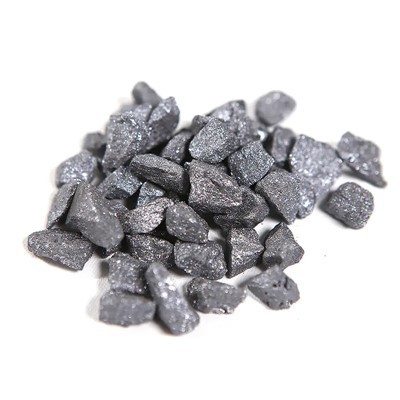
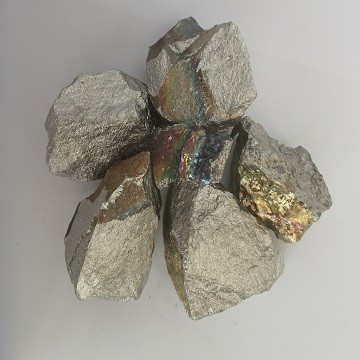
Silicon slag, also known as silicon refining slag or silicon dross, is often misunderstood as mere industrial waste. In reality, it is a by-product generated during the refining of silicon metal and ferrosilicon alloys. But is it truly worthless, or does it hold hidden value for the metallurgical industry? The answer lies in understanding its composition and applications.
What Is Silicon Slag?
Silicon slag typically contains 40–70% silicon, along with oxides such as SiO₂, CaO, Al₂O₃, and small amounts of iron and carbon. It forms on the surface of molten silicon during the refining process, where impurities rise and are skimmed off. While not as pure as metallurgical-grade silicon (98–99%), silicon slag is far from being useless.

Why Is It Not Simply Waste?
Disposing of silicon slag as waste would be costly and environmentally questionable. Instead, the industry has recognised its potential as a low-cost alternative to pure silicon in several applications:
Steelmaking Deoxidizer – Silicon slag is widely used in steel mills as a deoxidizing agent. Its silicon content reacts with dissolved oxygen in molten steel, forming SiO₂ that floats out as slag. This helps produce cleaner steel at a fraction of the cost of pure ferrosilicon.
Carburizer and Alloy Additive – In foundries, silicon slag serves as an inexpensive source of silicon for grey iron and ductile iron production. It also acts as a carburizer substitute when blended with carbonaceous materials.
Cement and Refractory Raw Material – The oxide fraction of silicon slag can be ground into powder for use in cement clinker production or as a component in refractory bricks, improving thermal stability.
Potential Drawbacks
However, silicon slag is not without limitations. Its variable composition (from 40% to 70% Si) means quality control is essential. High impurity levels - particularly aluminium and calcium oxides - can increase slag volume or affect final product chemistry. Therefore, reputable suppliers grade and blend silicon slag to ensure consistency for each application.
Conclusion
So, is silicon slag waste or a resource? The answer is clear: it is a valuable secondary raw material when used appropriately. By redirecting silicon slag from landfills into steelmaking and foundry operations, the industry reduces both raw material costs and environmental impact. Far from being rubbish, silicon slag is a perfect example of circular economy thinking in metallurgy - turning a by-product into a benefit.