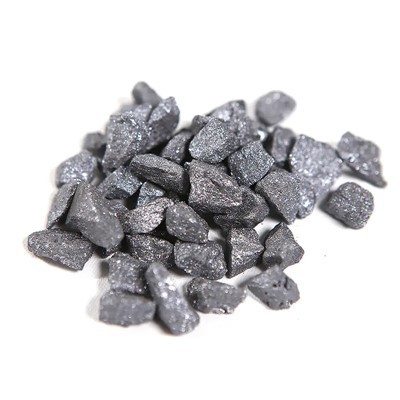
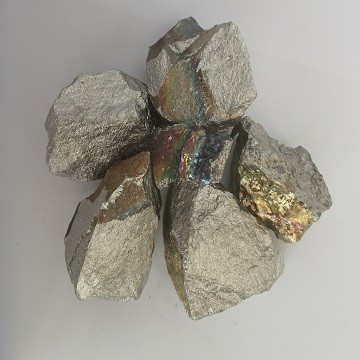
What Exactly Is Silicon Slag?
Silicon slag refers to the residue skimmed from the furnace during silicon metal or ferrosilicon alloy smelting. It typically contains 45–70% silicon, along with impurities like carbon, sulfur, iron, and aluminum oxides. Its lower cost (often 50–70% less than pure silicon) makes it attractive for bulk applications.
Key Industrial Uses
Steelmaking Deoxidizer
The most common use. In basic oxygen or electric arc furnaces, silicon slag efficiently removes oxygen from molten steel. While pure silicon deoxidizes faster, slag's lower price allows mills to use larger volumes-beneficial for standard-grade steels where trace impurities won't harm final properties.Casting Inoculant
For gray and ductile iron foundries, silicon slag helps promote graphite nucleation. Its lower density and variable composition can cause inconsistent results, so it's best suited for non-critical castings.Cement and Refractory Additive
The silica and alumina in silicon slag improve high-temperature strength in refractory bricks and can accelerate setting in certain cement blends.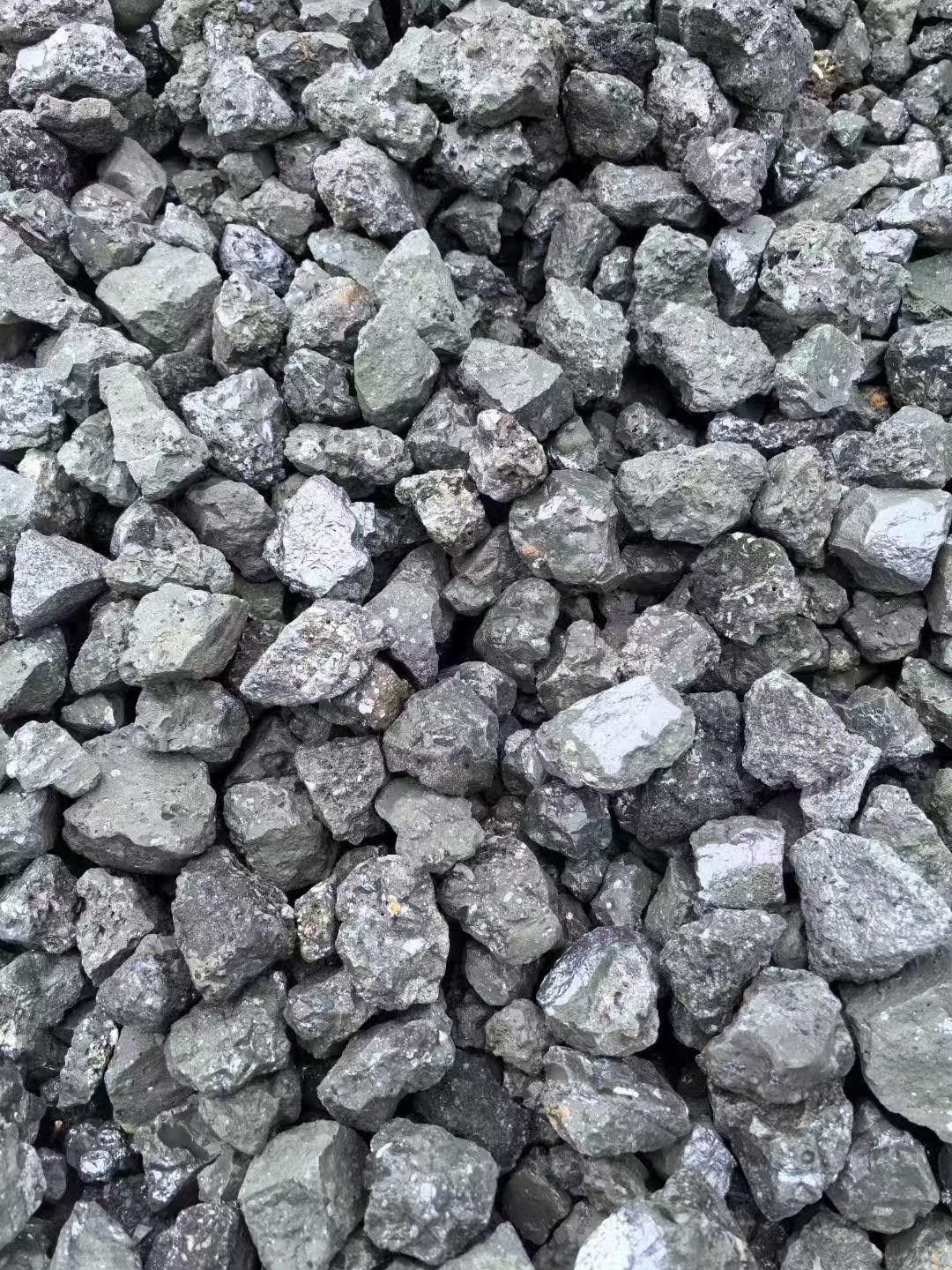
Advantages:
Substantially lower cost per unit of silicon delivered.
Readily available as a recycled material, reducing waste.
Acceptable performance in processes with wide impurity tolerance.
Disadvantages:
Unpredictable chemistry: batches vary in silicon content and impurity levels, requiring careful blending and testing.
Higher slag formation and potential for inclusion defects in premium alloys.
Not suitable for electronics, solar-grade silicon, or high-purity chemical applications.
Conclusion
So, is silicon slag a worthy alternative? For high-volume, cost-sensitive steelmaking and foundry operations-yes. For aerospace superalloys or semiconductor feedstocks-absolutely not. The key is matching the material's modest capabilities to the process's real needs. Smart purchasers view silicon slag not as "inferior" but as fit-for-purpose for a wide swath of mainstream metallurgy.
📧E-mail: goldenltd.silicon@gmail.com 📞WhatsApp: 8616663721147