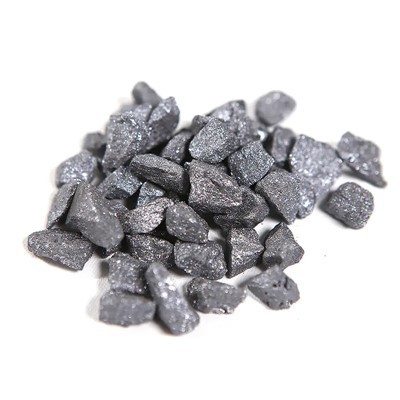
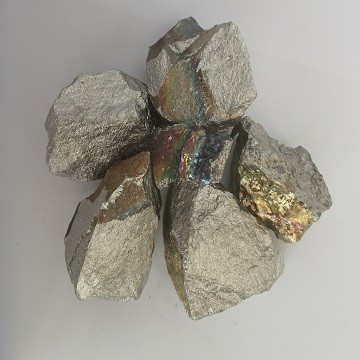
Understanding Silicon Magnesium (SiMg) in the Metallurgical Industry
Silicon Magnesium (SiMg), also commonly known as FeSiMg or magnesium-treated ferrosilicon, is one of the most important nodulizing alloys used in the production of ductile iron. Its key function is to introduce and control magnesium content in molten iron, ensuring the formation of spherical graphite. This transformation significantly improves the mechanical properties of cast iron, making SiMg indispensable in modern foundry operations.
Why Silicon Magnesium Is Essential
In ductile iron production, graphite must form as nodules rather than flakes. Silicon Magnesium provides the necessary magnesium to modify the graphite structure. Even small amounts of magnesium can dramatically enhance tensile strength, impact resistance, elongation, and overall ductility.
Composition and Common Grades
Typical SiMg alloys include silicon content between 40–50% and magnesium content ranging from 5–10%, along with controlled amounts of calcium and rare earths. Different grades are tailored for different foundry conditions, ensuring stable and predictable nodulizing performance.
How SiMg Works in Molten Iron
When added to molten iron, SiMg releases magnesium, which reacts with sulfur and oxygen. This reaction reduces impurities and promotes the formation of spherical graphite. Proper control of temperature, sulfur content, and addition method is essential to achieve high magnesium absorption.
Addition Methods
Common addition techniques include:
Sandwich Method
Tundish (Overflow) Method
In-Mold Nodulizing
Each method offers different levels of magnesium recovery and is chosen based on the foundry's equipment, casting size, and process stability requirements.


Key Advantages of Using Silicon Magnesium
Ensures stable nodularization
Improves mechanical strength and ductility
Enhances casting quality and reduces defect rate
Provides good magnesium recovery
Helps maintain consistent metallurgical performance
These advantages make SiMg the preferred nodulizer for automotive parts, machinery components, pipes, and valves.
Quality Factors Buyers Should Consider
When selecting Silicon Magnesium, industrial buyers typically evaluate:
Chemical stability (Mg content consistency)
Low sulfur and low impurity levels
Uniform particle size
Good reactivity and absorption performance
Reliable supplier with continuous production capability
Consistent alloy quality is critical, as fluctuations can lead to poor nodularization and increased production costs.
7. Market Outlook
With the global growth in ductile iron production-especially in automotive, heavy machinery, and municipal applications-the demand for Silicon Magnesium alloys continues to rise. Foundries increasingly prefer stable, high-purity products with predictable behavior in molten metal.