What Are the Characteristics of Ferrosilicon?
Introduction
Ferrosilicon, commonly abbreviated as FeSi, is one of the most important ferroalloys used in the metallurgical industry. It is primarily an alloy composed of iron (Fe) and silicon (Si), with silicon content usually ranging between 15% and 90% depending on specific industrial requirements. Ferrosilicon plays a crucial role in steelmaking, foundry processes, and non-ferrous metallurgy, where it functions as a deoxidizer, alloying element, inoculant, and reducing agent.
Understanding the characteristics of ferrosilicon is essential for both producers and end-users, as it determines its performance, efficiency, and cost-effectiveness in metallurgical applications. The characteristics of ferrosilicon can be examined from different perspectives, including chemical composition, physical properties, production methods, metallurgical functions, economic aspects, and industrial applications.
This article will comprehensively analyze the characteristics of ferrosilicon, highlighting why it is indispensable in modern metallurgy.
1. Chemical Characteristics of Ferrosilicon
1.1 Composition
Ferrosilicon is primarily composed of iron and silicon, but its chemical composition may also include minor elements such as aluminum, calcium, carbon, sulfur, and phosphorus. Typical grades include:
FeSi 75: ~74–80% Si, balance Fe
FeSi 72: ~72–75% Si, balance Fe
FeSi 65: ~65–70% Si, balance Fe
Low-silicon grades (15–45% Si) for certain foundry and alloying applications
1.2 Deoxidizing Ability
One of the most important characteristics of ferrosilicon is its strong affinity with oxygen. Silicon reacts with oxygen to form silicon dioxide (SiO₂), thereby removing dissolved oxygen from molten steel. This deoxidation property is stronger than that of manganese and aluminum in many conditions.
1.3 Reducing Power
Ferrosilicon serves as a reducing agent in processes such as the production of low-carbon ferroalloys and magnesium metal. Its ability to donate electrons and reduce oxides is highly valued in electrometallurgical applications.
1.4 Impurities
While ferrosilicon is effective, its performance can be influenced by trace impurities such as:
Carbon: May affect steel cleanliness
Sulfur and phosphorus: Harmful elements in steel, usually controlled to very low levels
Aluminum: Present as a byproduct from raw materials, sometimes beneficial in deoxidation
2. Physical Characteristics of Ferrosilicon
2.1 Appearance
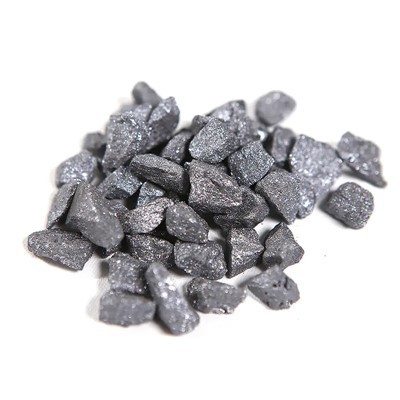
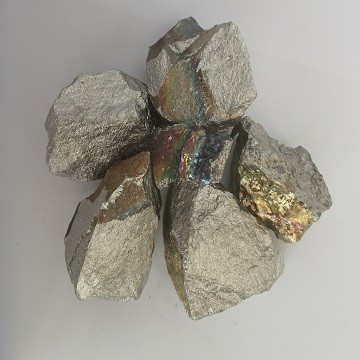
Ferrosilicon is generally available in the form of lumps, granules, or powders.
Lumps: Typically 10–100 mm, used in steelmaking
Granules: 1–10 mm, used in foundries for inoculation
Powder: Less than 1 mm, used in welding electrodes or as a reducing agent
2.2 Density and Melting Point
Density: Around 2.4–3.1 g/cm³ depending on Si content
Melting Point: Ranges from 1200–1250 °C for FeSi 75, increasing with silicon percentage
2.3 Hardness and Brittleness
Ferrosilicon is hard and brittle, making it easy to crush into smaller particle sizes. Its brittleness is advantageous for sizing and handling.
2.4 Magnetism
Due to the iron content, ferrosilicon exhibits weak ferromagnetic properties, which diminish as the silicon content increases. High-silicon ferrosilicon (above 80% Si) is nearly non-magnetic.

3. Metallurgical Characteristics of Ferrosilicon
3.1 Role in Steelmaking
In steel production, ferrosilicon is indispensable because of its dual function:
Deoxidizer: Removes oxygen from molten steel, improving purity.
Alloying Agent: Adds silicon to steel, enhancing strength, hardness, and corrosion resistance.
3.2 Influence on Steel Properties
Improves strength and elasticity
Enhances resistance to oxidation
Promotes the formation of certain carbides
Increases electrical conductivity in special steels
3.3 Foundry Applications
In cast iron production, ferrosilicon is used as an inoculant to promote the formation of graphite rather than cementite, improving machinability and mechanical properties of castings.
3.4 Non-Ferrous Metallurgy
Ferrosilicon is also used in the production of magnesium, aluminum alloys, and other ferroalloys due to its reducing power.
4. Production Characteristics of Ferrosilicon
4.1 Raw Materials
Ferrosilicon is produced using:
Quartz (SiO₂) as the source of silicon
Iron source (scrap iron or hematite)
Carbonaceous reducing agents such as coke or coal
4.2 Process
The alloy is typically produced in submerged-arc electric furnaces at temperatures above 2000 °C. The reduction of quartz by carbon in the presence of iron leads to the formation of ferrosilicon.
4.3 Energy Consumption
Production of ferrosilicon is energy-intensive, with specific consumption around 8000–9000 kWh per ton for FeSi 75. This makes electricity cost a major factor in global production.
4.4 Environmental Aspects
Dust, CO gas, and silica fumes are generated during production. However, silica fume is captured and used as a valuable byproduct in the construction industry.
5. Economic and Market Characteristics
5.1 Cost Factors
The cost of ferrosilicon is influenced by:
Raw material availability (quartz, coke, scrap iron)
Electricity prices
Environmental compliance costs
Logistics and transportation
5.2 Global Trade
Major producers include China, Russia, Norway, Brazil, and India, with China dominating global exports. Prices fluctuate based on steel demand cycles, raw material supply, and global energy costs.
5.3 Market Applications
Steel industry: Largest consumer, accounting for over 70% of global ferrosilicon demand
Foundry industry: Uses inoculants and modifiers
Non-ferrous metallurgy: For production of magnesium and aluminum alloys

6. Safety and Handling Characteristics
6.1 Pyrophoric Risk
Ferrosilicon powder can be pyrophoric (spontaneously igniting in air) due to high surface reactivity. Proper storage in dry, controlled environments is necessary.
6.2 Dust Hazards
Fine ferrosilicon dust may cause respiratory irritation; dust suppression and protective equipment are essential during handling.
6.3 Transport
Ferrosilicon is transported in bulk, bags, or drums. Packaging ensures minimal exposure to moisture and contamination.
7. Advantages of Using Ferrosilicon
Strong deoxidation ability → improves steel cleanliness
Versatile alloying properties → enhances multiple steel characteristics
Economic efficiency → cost-effective compared to pure silicon
Wide availability → globally produced and traded
Multi-industry applications → steel, foundry, magnesium, and more
8. Challenges and Limitations
High energy consumption in production
Price volatility due to electricity costs and raw materials
Environmental challenges from emissions and dust
Pyrophoric risks in fine powders
9. Future Trends
Energy-efficient furnace technology to reduce costs
Carbon-neutral ferrosilicon production through renewable power
Recycling of silica fume and byproducts
Growing demand from specialty steels (automotive, construction, renewable energy sectors)
Conclusion
The characteristics of ferrosilicon make it one of the most essential ferroalloys in modern metallurgy. Its chemical properties (deoxidation and reduction), physical properties (hardness, brittleness), and metallurgical functions (alloying and inoculation) define its wide applicability in steelmaking, foundries, and non-ferrous metallurgy.
Economically, ferrosilicon remains a strategic material, with global trade heavily influenced by energy costs and steel industry demand. Although challenges such as high production energy consumption and environmental issues remain, technological innovations and sustainable practices are shaping the future of ferrosilicon.
Ultimately, ferrosilicon's unique set of characteristics ensures that it will continue to play a central role in strengthening, purifying, and advancing metallurgical industries worldwide.