What Does Ferro Silicon Do to Cast Iron?
Introduction
Ferro silicon is one of the most widely used ferroalloys in the metallurgical industry. In cast iron production, ferro silicon plays a vital role in improving quality, controlling the solidification process, and enhancing the mechanical properties of the final product. Whether in gray iron, ductile iron, or alloyed cast irons, ferro silicon is a standard additive that foundries rely on.
This article will explore what ferro silicon does to cast iron in detail. We will cover its chemical function, its role as a deoxidizer and inoculant, its impact on graphite morphology, its influence on mechanical properties, and the economic benefits of using ferro silicon in cast iron. By the end, you will have a complete understanding of why ferro silicon is indispensable in modern foundries.
1. Understanding Ferro Silicon
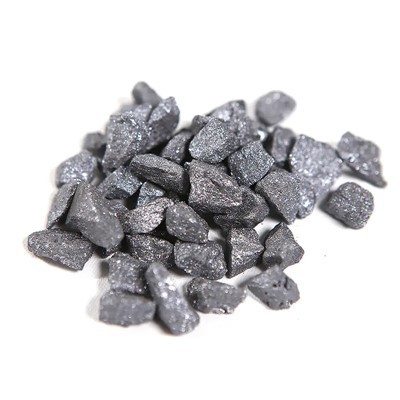
Ferro silicon is an alloy made from iron and silicon, typically containing 65–75% silicon with the remainder being iron and small traces of other elements. It is produced in an electric arc furnace by reducing silica with coke in the presence of iron scrap.
Because ferro silicon is relatively cheap, chemically stable, and highly reactive with oxygen, it is widely used in steelmaking and cast iron industries. For cast iron, ferro silicon is not only a deoxidizer but also an inoculant that strongly influences the structure and properties of the iron.
2. Why Add Ferro Silicon to Cast Iron?
There are several reasons why foundries add ferro silicon to cast iron melts:
Deoxidation – Ferro silicon removes oxygen from molten iron, preventing gas porosity and inclusions.
Inoculation – It promotes the formation of fine graphite rather than cementite, improving machinability.
Nodulization Support – In ductile iron, ferro silicon is used in combination with magnesium to promote spheroidal graphite formation.
Alloying Effect – Silicon increases hardness, wear resistance, and corrosion resistance in special cast irons.
Improved Fluidity – Ferro silicon helps improve the fluidity of molten iron, making it easier to pour into complex molds.
3. Ferro Silicon as a Deoxidizer in Cast Iron
When molten iron is exposed to air, it tends to absorb oxygen, which can form harmful oxides. These oxides create inclusions, porosity, and reduced mechanical strength in castings.
Ferro silicon is added to the melt to act as a powerful deoxidizer. The silicon content in ferro silicon reacts with oxygen to form silica (SiO₂), which floats to the surface and is removed as slag. This ensures the molten cast iron is clean and free of oxide defects.
Deoxidation by ferro silicon also helps reduce gas porosity, leading to smoother and stronger castings.
4. Ferro Silicon as an Inoculant
One of the most important functions of ferro silicon in cast iron is its role as an inoculant. Inoculation is the process of adding a substance to molten iron just before casting to influence the solidification structure.
In untreated cast iron, carbon may solidify as cementite (Fe₃C), which is hard and brittle. When ferro silicon is added, it promotes the precipitation of graphite flakes in gray iron and graphite nodules in ductile iron. This leads to improved machinability, toughness, and strength.
Ferro silicon ensures that graphite forms in fine, evenly distributed shapes rather than large or uneven clusters. This structural refinement is critical for high-quality cast iron.

5. Influence of Ferro Silicon on Graphite Morphology
The morphology of graphite in cast iron determines its mechanical properties. Ferro silicon plays a direct role in shaping graphite:
In Gray Iron: Ferro silicon helps form type A graphite flakes, which are uniformly distributed and give the best combination of strength and machinability.
In Ductile Iron: Ferro silicon is combined with magnesium to produce spherical graphite nodules, which greatly enhance ductility and toughness.
In Alloyed Irons: Higher additions of ferro silicon encourage compacted or spheroidal graphite, depending on the inoculation method.
Without ferro silicon, graphite would form irregularly, and cementite would dominate, making the cast iron brittle and unworkable.
6. Effect of Ferro Silicon on Mechanical Properties
By influencing graphite shape and matrix structure, ferro silicon improves the mechanical properties of cast iron:
Strength: Fine graphite distribution leads to higher tensile strength.
Ductility: Spheroidal graphite formed with ferro silicon + magnesium enhances elongation.
Wear Resistance: Ferro silicon increases hardness and abrasion resistance.
Machinability: Flake graphite formed with ferro silicon ensures smooth cutting performance.
Thermal Conductivity: Proper graphite formation improves heat transfer in castings.
Thus, ferro silicon directly enhances both the usability and durability of cast iron products.
7. Ferro Silicon in Different Types of Cast Iron
7.1 Gray Cast Iron
In gray iron, ferro silicon is mainly used to promote flake graphite formation and prevent carbide formation. It improves machinability and reduces brittleness.
7.2 Ductile Cast Iron
For ductile iron, ferro silicon is combined with magnesium (ferro silicon magnesium nodulizer) to create spheroidal graphite. This transforms brittle cast iron into a ductile, tough, and shock-resistant material.
7.3 Compacted Graphite Iron (CGI)
In CGI, ferro silicon inoculation helps balance graphite between flake and spherical forms. This creates a unique material with high strength and good thermal conductivity, widely used in engine blocks.
8. Economic Benefits of Ferro Silicon in Cast Iron
Using ferro silicon provides significant cost advantages for foundries:
Reduced Defects: Less scrap and rework due to cleaner melts.
Lower Alloy Costs: Ferro silicon is cheaper than many other alloying agents.
Improved Productivity: Better fluidity means fewer casting defects and higher yields.
Machining Savings: Easier machining reduces tool wear and energy costs.
Thus, ferro silicon is not just a technical necessity but also an economic benefit in cast iron production.
9. Global Market and Demand for Ferro Silicon in Cast Iron
The demand for ferro silicon in cast iron production is strong worldwide. Major consumers include foundries in China, India, the USA, and Europe. With increasing demand for automotive castings, machinery parts, and construction components, the role of ferro silicon in cast iron will only grow.
Market prices of ferro silicon affect cast iron production costs directly, so many foundries secure long-term contracts to stabilize supply.
10. Challenges and Considerations When Using Ferro Silicon
While ferro silicon is highly beneficial, foundries must carefully control:
Addition Rate: Too much ferro silicon may cause excessive graphite, leading to low strength.
Timing of Inoculation: Late inoculation (just before pouring) ensures the best graphite distribution.
Impurities: Ferro silicon with high aluminum or calcium content may alter results, so quality control is important.
Conclusion
Ferro silicon is one of the most essential additives in cast iron production. From deoxidation and inoculation to graphite control and property enhancement, ferro silicon shapes the quality of cast iron in every stage.
In gray iron, ferro silicon ensures fine graphite flakes for machinability. In ductile iron, ferro silicon (together with magnesium) creates spheroidal graphite for toughness. Economically, ferro silicon reduces defects, improves yields, and lowers overall production costs.
Without ferro silicon, modern cast iron industries could not achieve the same consistency, quality, or cost efficiency. For any foundry, the question is not whether to use ferro silicon, but how to use it most effectively.