Introduction: From Waste to Resource
For decades, silicon slag was viewed as an unavoidable nuisance by silicon metal producers. Today, that perception has shifted dramatically. This byproduct of silicon smelting has become a valuable secondary material for steelmakers, foundries, and even researchers exploring advanced applications. Understanding what silicon slag is-and what it is not-matters for anyone involved in metallurgical procurement or steel production.
What Exactly Is Silicon Slag?
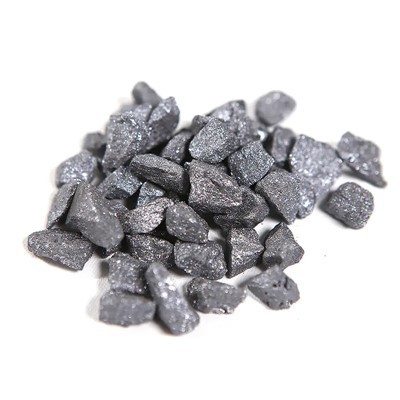
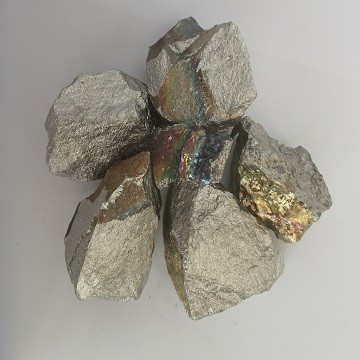
Silicon slag is a byproduct generated during the smelting of silicon metal or ferrosilicon alloys. When quartz is reduced in an electric arc furnace at temperatures exceeding 2000°C, impurities such as alumina and lime float to the surface, forming a slag layer. This molten slag traps un-precipitated silicon droplets, typically containing 15% to 60% residual silicon. After cooling and processing, the material becomes what the industry calls silicon slag.
The chemical composition varies significantly depending on the source. Typical silicon slag grades range from 40% to 65% silicon content, with the remainder consisting of carbon, sulfur, phosphorus, aluminum, iron, and calcium oxides. It is important to note that silicon slag is distinct from ferrosilicon slag, which contains higher iron content and lower silicon recovery value.
The Primary Industrial Application: Steel Deoxidization
The dominant use of silicon slag lies in steelmaking. During steel production, oxygen dissolved in the molten metal must be removed to prevent defects and improve final product quality. Silicon has a strong affinity for oxygen, forming silicon dioxide (SiO₂) which then floats out of the melt.
Silicon slag serves as an economical substitute for ferrosilicon in this deoxidizing role. Because it still contains substantial residual silicon, steelmakers can achieve comparable deoxidization at a significantly lower cost per ton. In converters and electric arc furnaces, operators add silicon slag near the end of the heat to help deoxidize the steel and improve slag fluidity, allowing inclusions to separate more effectively.
Beyond deoxidization, silicon slag also functions as a silicon additive in the production of certain steel grades and as a recirculating charge in foundries.
Processing: How Raw Slag Becomes a Usable Product
Raw silicon slag cannot be used directly in furnaces. Midstream processors transform heterogeneous slag into standardized metallurgical inputs through physical separation methods-no chemicals required. The process typically involves crushing the slag to liberate trapped metal particles, screening for uniform sizing, magnetic separation to remove iron contamination, and gravity separation using jigs to separate heavy silicon metal (density >3.0) from lighter waste rock (density ~2.6). The final product is dried and packaged as powder, grit, lumps, or briquettes.

Market Trends and Regional Dynamics
The global silicon slag market has attracted increasing attention as steelmakers seek cost-effective alternatives to primary alloys. Industry reports estimate the market at approximately $1.6 to $2 billion, with growth driven by infrastructure development in Asia and the ongoing push for resource efficiency in metallurgy.
Asia-Pacific dominates both production and consumption, with China and India as the largest markets. China alone accounted for roughly 836 million tonnes of pig iron production in 2025, generating substantial demand for deoxidizing materials. India's growing steel output has made it a key growth engine, with pig iron production rising 6.7% year-over-year in 2025.
Limitations and Considerations
Silicon slag is not a universal replacement for ferrosilicon. For steel grades requiring precise silicon control, proper ferrosilicon remains necessary. The variability in slag composition also means buyers should verify each lot, typically through a certificate of analysis. Despite these limitations, silicon slag offers a practical solution for cost-conscious steelmakers and supports broader circular economy goals.
Conclusion
Silicon slag represents a meaningful shift in how the metallurgical industry views byproducts. Once discarded as waste, it now serves as a functional and economical deoxidizer for steel production. Understanding its composition, processing requirements, and appropriate applications helps procurement professionals make informed decisions about integrating this material into their supply chains.
📧E-mail: goldenltd.silicon@gmail.com 📞WhatsApp:86 166 6372 1147