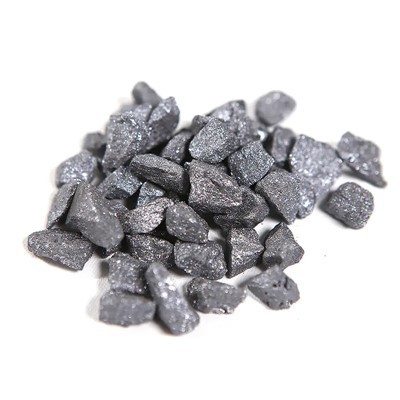
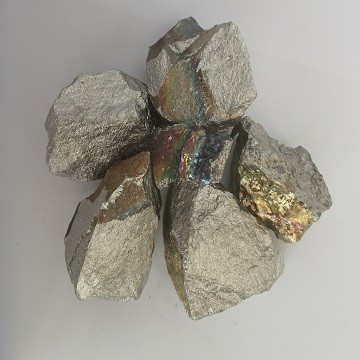
65% ferrosilicon (FeSi65) is a critical alloy used primarily in steelmaking and foundries, where it serves as a deoxidizer and inoculant. While China, Russia, and Norway dominate global production, North Korean-origin 65% ferrosilicon holds a niche but notable position due to specific technical and geopolitical factors.
Production Characteristics
North Korean 65% ferrosilicon is typically produced using local anthracite coal and quartzite in aging electric arc furnaces. The resulting material often has a slightly higher aluminum and calcium content compared to Chinese standards (GB/T 2272), which can influence slag formation in ladle metallurgy. Its typical chemical composition includes 63–67% Si, <1.5% Al, <1.0% Ca, and balanced Fe. However, inconsistent quality-such as carbon carryover or variable particle size-remains a known issue due to outdated electrode technology and irregular power supply.
Market Role
Due to UN sanctions (restricting North Korean mineral exports), legitimate trade is rare. When available, FeSi65 sells at a 15–20% discount to mainstream Chinese 65% ferrosilicon (currently ~$1,100–1,200/tonne FOB China), primarily through intermediaries in third countries. Its main buyers include small foundries in Southeast Asia and Eastern Europe seeking lower-cost inputs for non-critical castings.

Technical Considerations
Users report that North Korean FeSi65 performs adequately for basic deoxidation in carbon steel production but may require adjustment in magnesium treatment for ductile iron due to higher titanium residuals (often >0.05%). Lump sizing is typically 10–50mm, but fines content can exceed 5%, necessitating screening before use.
Conclusion
While not a first-choice material for premium applications, North Korean 65% ferrosilicon offers a low-cost alternative in markets with flexible supply chains. However, potential buyers must navigate compliance risks and perform strict quality verification before acceptance.