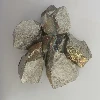
Silicon metal, a lustrous, greyish crystalline material, is far more than just the raw form of the element with atomic number 14. Produced through the carbothermic reduction of quartz (silica) in submerged electric arc furnaces, it stands as a fundamental building block for a surprisingly wide array of 21st-century technologies. Despite its crucial role, it rarely garners public attention, making it a true unsung hero of modern industry.
The production process is energy-intensive. High-purity quartz is combined with carbon-rich materials like coal, coke, and wood chips, then superheated to over 2,000°C. The result is metallurgical-grade silicon metal, typically 98-99% pure. From here, it can be further refined for specialized applications, most notably through the Siemens process to produce hyper-pure polysilicon for electronics and solar cells.
The two largest demand drivers for silicon metal are the aluminum and chemical industries. In aluminum foundries, silicon is added to aluminum to create lightweight, strong, and corrosion-resistant alloys. These are indispensable for automotive engine blocks, aircraft components, and increasingly, electric vehicle battery casings and structural parts.

The chemical industry, meanwhile, transforms silicon into silicones and silanes. These polymers are everywhere: in medical implants and lubricants, in cookware and sealants, and in high-performance construction materials. Furthermore, the global push for renewable energy has thrust silicon into the spotlight as the dominant semiconductor material in photovoltaic solar cells, where it converts sunlight into electricity.
Ultimately, silicon metal's value lies in its versatility and abundance. From the smartphone in your pocket and the alloy in your car to the solar panels on a rooftop, this industrially humble material provides the foundational properties-strength, chemical stability, and semiconducting capability-upon which our digital and sustainable future is being built.