Core Chemical Composition (Si Content & Impurities)
This is the foundation of ferrosilicon quality, including:
Silicon (Si) Content: This is the most essential value indicator, determining its deoxidation and alloying effectiveness. Chinese national standards classify ferrosilicon by silicon content into different grades (e.g., 75#, 72#). When purchasing, you must clearly define your required grade to avoid insufficient silicon content affecting performance.
Impurity Element Control: Phosphorus (P), Sulfur (S), Aluminum (Al), and Carbon (C) are key harmful elements. For example:
P and S increase steel brittleness and reduce toughness.
Excessive Al can affect steel cleanliness and inclusion morphology.
"Low Si content means poor deoxidation; high impurities mean defective steel – both cost you more than the price difference."

Physical Condition (Size, Shape & Powder Content)
The physical form of ferrosilicon directly affects melting efficiency and recovery rate:
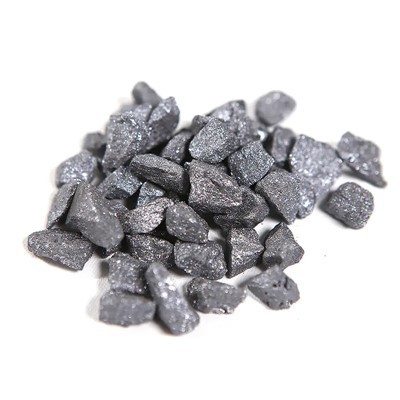
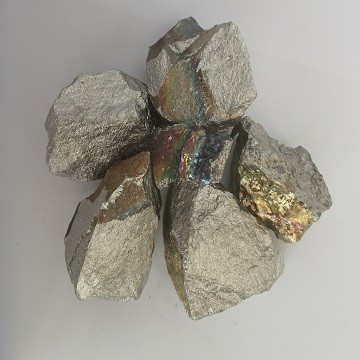
Particle Size Distribution: Material that is too coarse melts slowly and unevenly; material that is too fine oxidizes easily, increasing loss. The correct granulation (e.g., 10–50mm, 50–100mm) ensures uniform melting and high recovery.
Powder Content: Excessive fines (<5mm) are easily blown away or oxidized during charging, causing material loss and polluting the workshop environment. High-quality suppliers usually control powder content within 5% or lower.
Consistency & Stability (Batch-to-Batch Uniformity)
This is the most overlooked but most critical factor for large-scale production:
Stable Composition: Continuous fluctuations in Si content or impurity levels disrupt your steelmaking process, forcing frequent adjustments to recipe and temperature, which increases operation difficulty and scrap rates.
Supply Reliability: A supplier with stable raw material sources and a mature production process can ensure consistent quality across different batches. Unstable suppliers bring unpredictable quality risks.