By Golden Ltd. | Cored Wire Supply & Technical Insights
In secondary metallurgy and foundry treatment, the choice of cored wire is not interchangeable. Each core chemistry solves a distinct metallurgical problem, and feeding the wrong specification can waste alloy, damage the wire feeder, or miss the target chemistry entirely. Understanding what each wire actually does in the ladle is the first step toward stable recovery and predictable casting quality.
CaSi cored wire is the workhorse for steel deoxidation and inclusion modification. Calcium silicon, typically with 30% Ca and 60% Si, is injected below the slag layer so the reactive calcium can react with alumina inclusions and modify them into liquid calcium aluminates . This transformation improves castability, particularly in continuous casting where solid alumina inclusions can clog submerged entry nozzles . The steel strip sheath protects the calcium from burning in air before it reaches the melt depth, but recovery still depends heavily on feed rate, wire diameter, and bath temperature.-1-3
C cored wire serves a different purpose: precise carbon adjustment. Carbon powder enclosed in a steel sheath allows additions to be made after deoxidation, when the oxygen level is low enough that carbon is not consumed by oxidation. This makes carbon cored wire useful for trimming carbon content in the ladle rather than relying solely on furnace tapping chemistry. The feeding rate and carbon content of the core determine how tightly the final carbon range can be controlled.
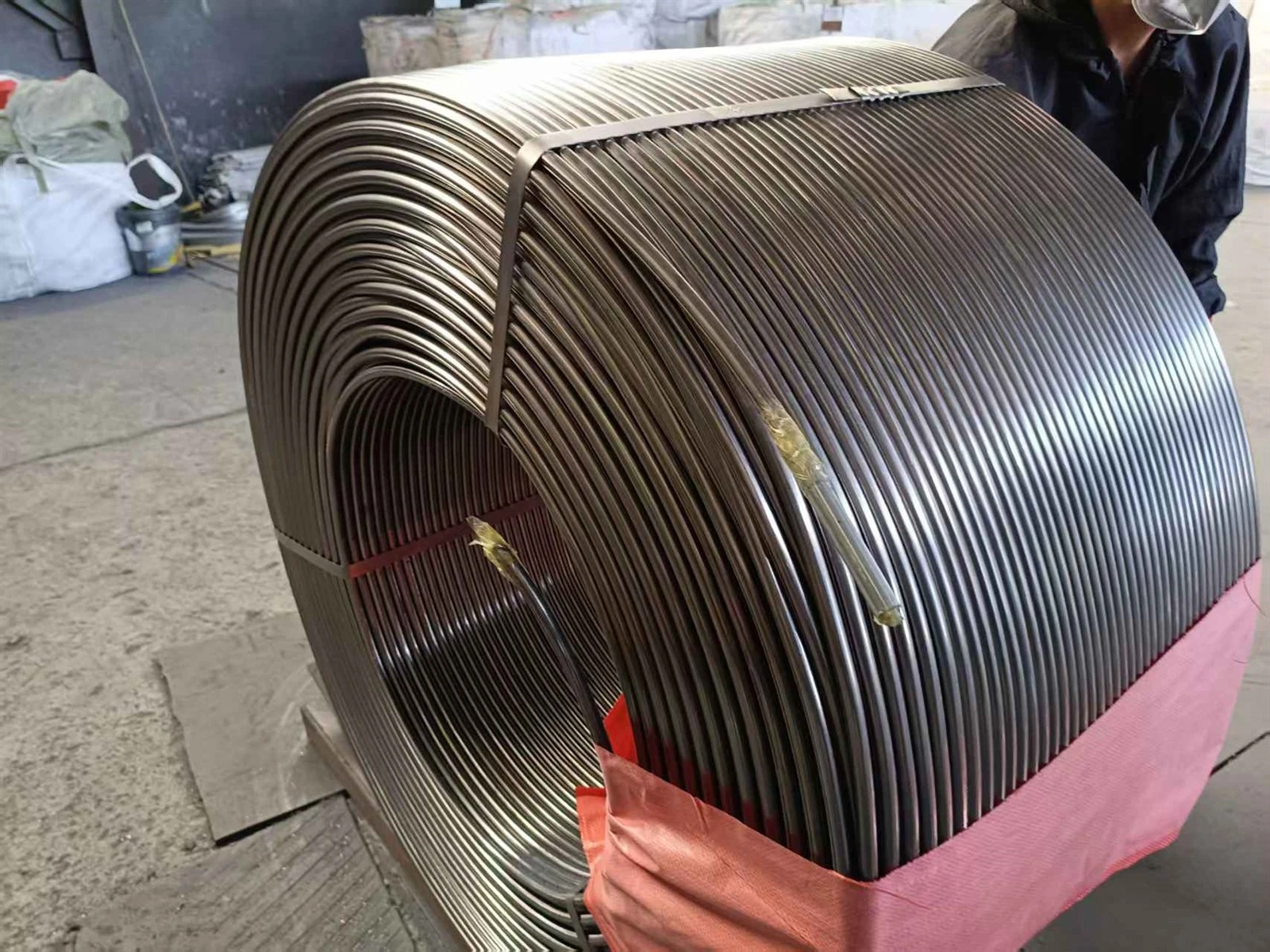
FeSiMg cored wire is essential for ductile iron production. Magnesium is a powerful nodulariser, but its low boiling point and low density make lump addition violent and inefficient. Encasing FeSiMg powder in a steel sheath allows the alloy to be injected deep into the iron melt, where ferrostatic pressure suppresses magnesium vaporisation and improves recovery . The result is more consistent nodule formation and lower treatment cost compared with master alloy additions .
For all three wire types, physical parameters matter as much as chemistry. Diameter, fill ratio, strip thickness, and seam construction determine whether the wire feeds smoothly and releases its core at the intended depth. Moisture pickup in the core must also be controlled, since hydrated calcium or magnesium compounds can generate gas and cause porosity in the final casting .
If you are evaluating cored wire specifications for a current project or comparing suppliers, we can discuss the wire parameters that match your ladle practice and target chemistry.
Contact us for specifications and quotations:
📧 E-mail: goldenltd.silicon@gmail.com
📞 WhatsApp: 86 166 6372 1147