Industries That Commonly Use Silicon Metal as a Raw Material
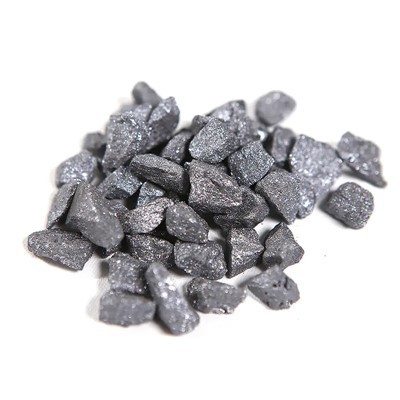
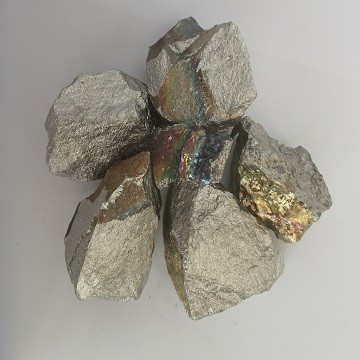
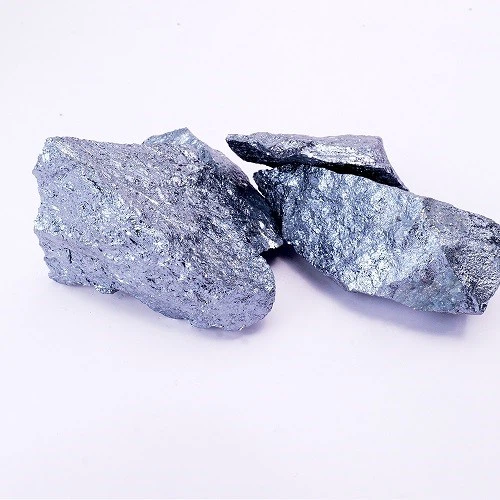
Silicon metal, a high-purity product smelted from quartz and carbon materials, serves as a fundamental raw material across a diverse range of industries. Its unique properties-including high temperature resistance, semiconductor characteristics, and ability to improve alloy performance-make it indispensable in modern manufacturing. Below are the primary industries that rely on silicon metal as a key raw material.
1. Aluminum Industry
The aluminum industry is the largest consumer of silicon metal, accounting for approximately 60-70% of global consumption. Silicon metal is added to aluminum alloys to enhance their mechanical and physical properties.
Key Applications:
Automotive Components: Silicon-aluminum alloys are used to manufacture engine blocks, cylinder heads, pistons, and wheel rims due to improved fluidity during casting and reduced thermal expansion
Aerospace Parts: High-strength aluminum-silicon alloys are used in aircraft components requiring lightweight but durable materials
Construction Materials: Window frames, curtain walls, and structural components benefit from silicon-enhanced corrosion resistance
Die-Casting Products: Silicon improves molten metal flow, allowing complex shapes to be cast with precision
Typical silicon content in aluminum alloys ranges from 5% to 20%, depending on the specific application requirements.
2. Chemical Industry
The chemical industry uses silicon metal as the primary raw material for manufacturing silicones, silanes, and fumed silica-all essential products with widespread applications.
Silicone Production:
Silicon metal reacts with methyl chloride in the direct process to produce methylchlorosilanes, which are then hydrolyzed to create silicone polymers. These materials are used in:
Sealants and adhesives for construction and automotive applications
Lubricants and release agents
Medical implants and tubing
Personal care products (shampoos, skin creams)
Electrical insulation materials
Fumed Silica:
Used as a thickening agent, anti-caking agent, and reinforcement filler in:
Paints and coatings
Adhesives and sealants
Toothpaste and cosmetics
Battery separators
3. Electronics and Solar Industry
High-purity silicon metal (typically 99.9999% or higher) serves as the foundation for the electronics and renewable energy sectors.
Semiconductor Manufacturing:
Ultra-pure silicon is processed into monocrystalline silicon wafers for:
Microprocessors and computer chips
Memory devices
Power semiconductors
Sensors and integrated circuits
Photovoltaic (Solar) Industry:
Silicon metal is upgraded to polysilicon and then converted into:
Monocrystalline and multicrystalline solar cells
Thin-film solar panels
Solar-grade silicon feedstock
The rapid growth of renewable energy has significantly increased demand for high-purity silicon metal in recent years.
4. Refractory and Metallurgy Industries
Silicon metal acts as a reducing agent and alloying element in various metallurgical processes.
Steelmaking:
Used as a deoxidizer to remove excess oxygen from molten steel
Improves steel strength and hardness when added as an alloying element
Enhances magnetic properties in electrical steels
Refractory Materials:
Silicon carbide production (combined with carbon)
Silicon nitride ceramics for high-temperature applications
Crucibles and furnace linings
Ferroalloy Production:
Raw material for manufacturing ferrosilicon
Additive in magnesium and copper alloys
5. Construction and Infrastructure
The construction industry indirectly consumes silicon metal through its derivatives and finished products.
Concrete Additives:
Silica fume (a byproduct of silicon metal production) improves concrete strength and durability
Used in high-performance concrete for bridges, tunnels, and skyscrapers
Waterproofing Materials:
Silicone-based sealants and coatings protect buildings from moisture
Silane-based water repellents for masonry and concrete
6. Automotive Industry
Beyond aluminum alloys, silicon metal contributes to automotive manufacturing in several ways:
Brake Pads: Silicon compounds improve friction performance
Tire Manufacturing: Silica (from silicon) enhances tire grip and reduces rolling resistance
Exhaust Systems: High-temperature silicone gaskets and seals
Battery Technology: Silicon anodes in next-generation lithium-ion batteries
7. Emerging Industries
Electric Vehicles (EVs):
Silicon is increasingly used in lithium-ion battery anodes to increase energy density and charging speed.
3D Printing:
Silicon-based materials are being developed for additive manufacturing applications.
Optoelectronics:
Silicon photonics for high-speed data transmission and fiber optic communications.
Conclusion
Silicon metal's versatility makes it an essential raw material across traditional heavy industries like aluminum and steel, as well as cutting-edge sectors like renewable energy and electronics. As technology advances and industries pursue lighter, stronger, and more efficient materials, the demand for high-quality silicon metal continues to grow. Understanding these applications helps suppliers and buyers alike appreciate the strategic importance of this remarkable material.