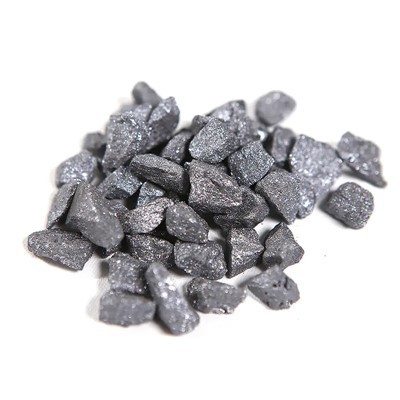
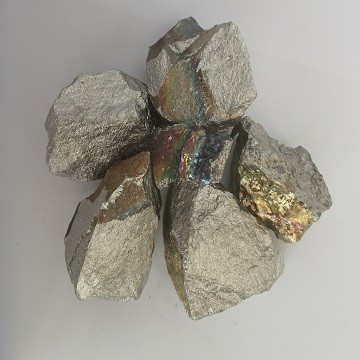
Recarburizer (also known as carbon raiser) is a critical additive in steelmaking and foundry processes, used to adjust the carbon content of molten iron or steel to the desired specification. Its quality directly impacts two key outcomes: final carbon stability and production cost.
1. Effect on Final Carbon Content
Carbon Recovery Rate: High-quality recarburizers (e.g., calcined anthracite, graphite petroleum coke) offer carbon recovery rates of 85–95%, while low-quality ones may drop below 70%. Poor recovery leads to inconsistent carbon levels, requiring multiple adjustments.
Absorption Speed: Graphitic recarburizers dissolve quickly and uniformly. Low-quality, non-graphitic types may leave carbon "lumps," causing localized carbon concentration differences and product defects.
Impurity Interference: High ash, volatile matter, or sulfur content reduces effective carbon absorption and introduces unwanted elements (e.g., S, N), altering final chemistry.
2. Effect on Cost
Re-melting & Rework: Low recovery means more recarburizer is needed, and failed heats may require re-melting, increasing energy and labor costs.
Alloy Compensation: Unstable carbon absorption often forces operators to use more expensive alloys (e.g., ferromanganese) to compensate for off-spec carbon levels.
Rejection Rate: Inconsistent carbon content can lead to rejected batches, especially in high-grade steel for automotive or API pipe applications.
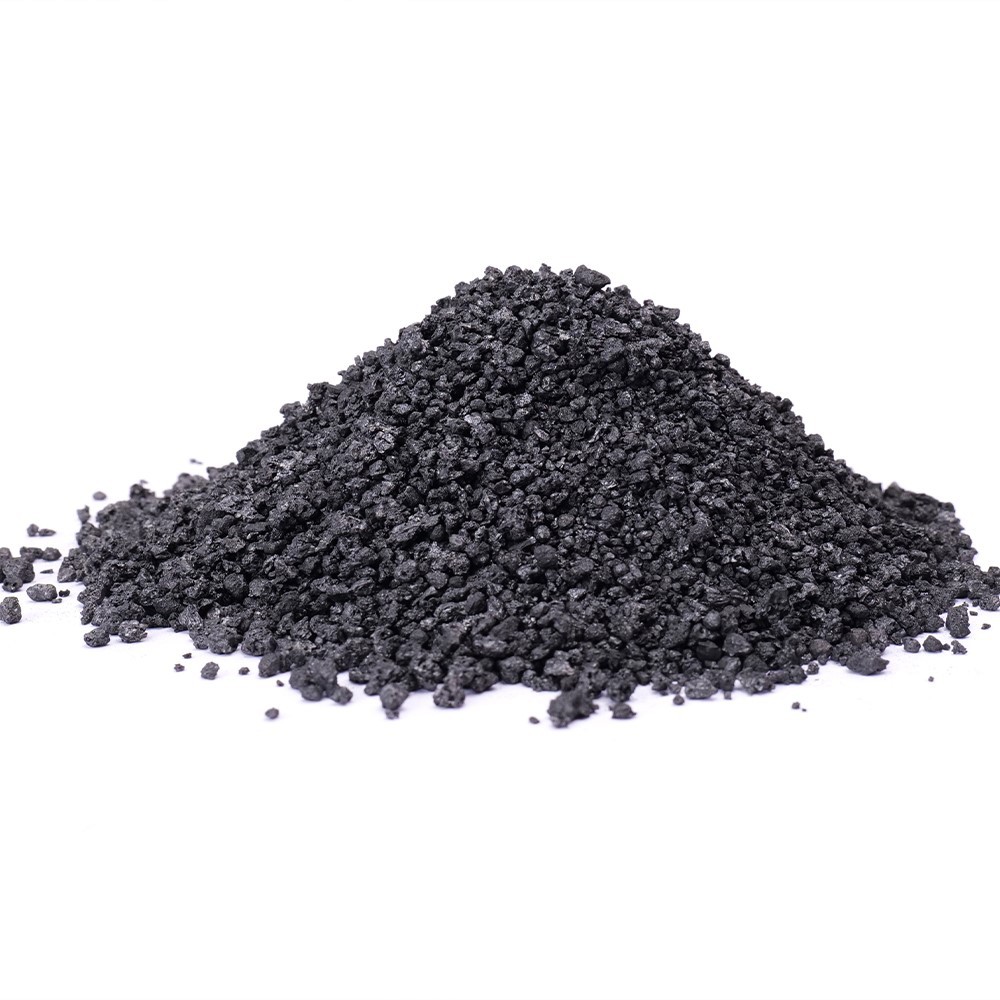
3. Key Quality Parameters to Control
| Parameter | Why It Matters |
|---|---|
| Fixed Carbon | ≥98% preferred for high stability; lower values reduce predictability. |
| Sulfur | High S increases embrittlement and requires desulfurization, raising costs. |
| Nitrogen | Excess N causes porosity in castings; critical for certain steel grades. |
| Granulometry | Uniform particle size (0.5–5mm typical) ensures steady dissolution. |
Practical Takeaway
Buying recarburizer based solely on price often leads to higher total cost due to low recovery, rework, and scrap. Always request a carbon recovery test under your actual melt conditions and track effective carbon cost = price ÷ (fixed carbon × recovery rate).
Industry best practice: Use graphitic petroleum coke for high-quality steel, and calcined anthracite for gray iron foundries with larger carbon adjustment tolerance.