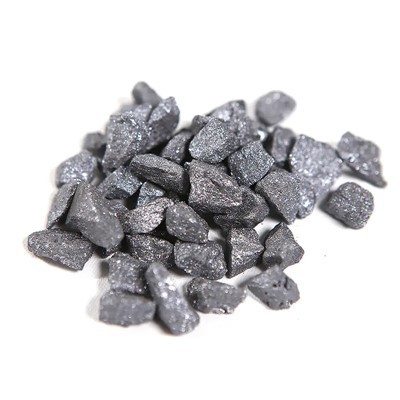
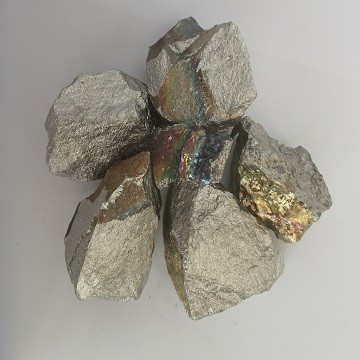
What Is Silicon Briquette?
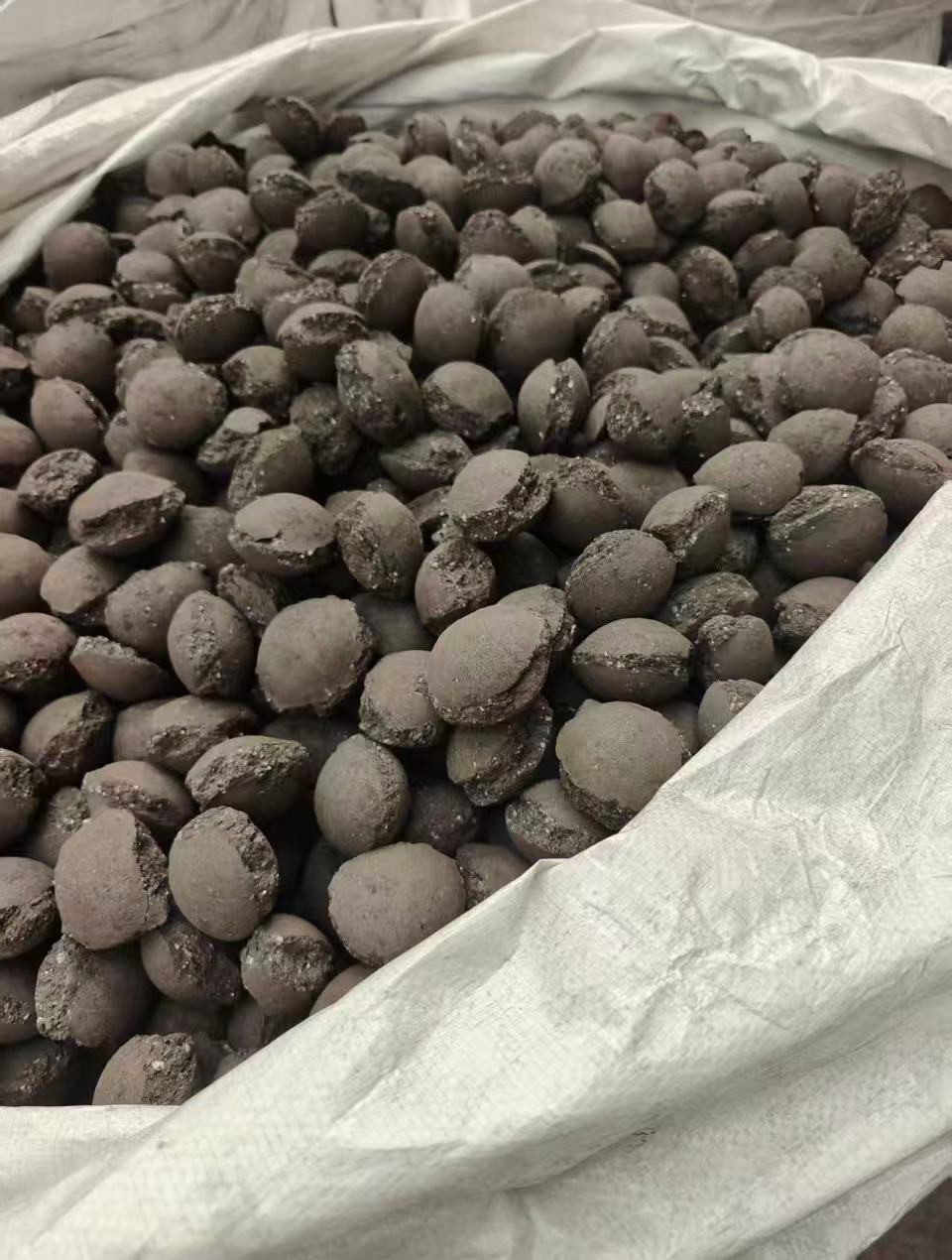
Silicon briquette is produced by pressing fine silicon slag or silicon alloy powders (often with 45–65% Si content) into pillow-shaped or round briquettes using a binder. The raw material is typically a byproduct of ferrosilicon or industrial silicon manufacturing. Without briquetting, these fine particles are difficult to handle, prone to dust loss, and unsuitable for direct furnace feeding.
Key Advantages in Steelmaking
Lower Cost per Unit Silicon
Silicon briquette uses recycled fines and lower-grade silicon materials, making it significantly cheaper than ferrosilicon (e.g., FeSi 75). For steel mills aiming to reduce raw material expenses, replacing part of ferrosilicon with silicon briquette can cut alloying costs by 10–20%.
Effective Deoxidation
Silicon is a strong deoxidizer. In molten steel, silicon briquette rapidly releases silicon to react with dissolved oxygen, forming SiO₂ and reducing oxide inclusions. While not as pure as FeSi 75, its performance is adequate for many carbon steel grades and certain alloy steels.
Environmental Benefits
Using silicon briquette recycles industrial waste (slag fines) that would otherwise require landfilling. Additionally, briquettes generate less dust during charging, improving workplace air quality and reducing baghouse filter load.
Limitations to Consider
Silicon briquette is not a direct 1:1 replacement for ferrosilicon. It often contains lower silicon content (45–55% vs. 75% in FeSi 75) and may introduce trace elements like Al, Ca, or C from the binder. Therefore, it is best suited for:
Bulk deoxidation in the ladle or furnace
Substitution of 20–40% of total ferrosilicon addition
Steels without strict residual element limits
Practical Application Tip
When using silicon briquette, add it early in the deoxidation stage (e.g., after slag formation) to allow sufficient time for dissolution and reaction. Avoid final trim additions, where precise silicon control is required.
In summary, silicon briquette offers a pragmatic balance between cost savings and metallurgical effectiveness. For steel plants managing margin pressure and sustainability goals, it is a material worth evaluating-not as a miracle cure, but as a proven industrial alternative.