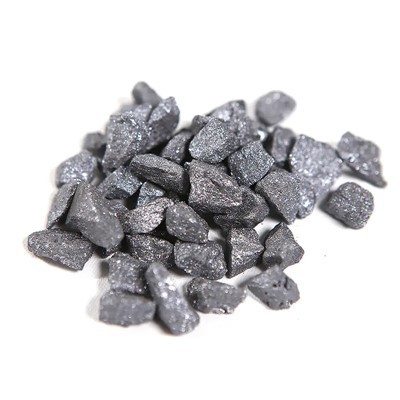
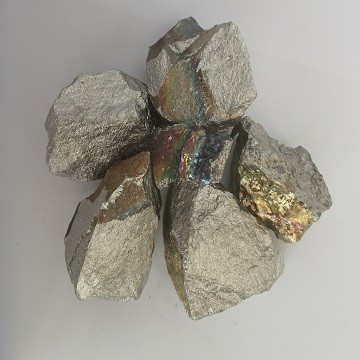
China's silicon metal industry is navigating significant production adjustments that carry implications for global markets. January 2026 domestic silicon metal production reached 375,500 metric tons, declining 5.5% month-on-month despite a 23.5% year-on-year increase . February projections indicate more substantial reductions.
Production Realities
The production contraction is concentrated in major producing regions including Xinjiang, Inner Mongolia, and Sichuan. "In February, production cuts at large plants in Xinjiang have already taken effect, coupled with further reductions from large plants in Inner Mongolia and Sichuan that began in January," reports Shanghai Metals Market . Additionally, fewer production days in February are expected to drive a 27.1% month-on-month decline in silicon metal output.
These cuts reflect broader industry challenges. According to Chinese futures analysis, national silicon metal capacity reached 9.6 million tonnes in 2025, yet actual production was only 4.7 million tonnes-a utilization rate below 49% . Approximately 3.47 million tonnes of capacity remained completely idle, representing 36.26% of nominal capacity.
Demand Contraction
The demand side presents equally challenging dynamics. Polysilicon production is estimated to decrease 21% month-on-month to around 80,000 tonnes in February . The silicone sector has implemented voluntary production cuts, while aluminum alloy reductions concentrate in secondary alloy production affected by Chinese New Year shutdowns and weak downstream orders.
Analysts project total silicon metal demand across three major downstream sectors and exports could contract 5.61% in 2026, falling to 4.05 million tonnes . The polysilicon sector alone faces inventory exceeding 300,000 tonnes, occupying 10-12 billion yuan in capital and necessitating production cuts for destocking.
Outlook and Policy Variables
The sustainability of destocking represents a key variable affecting silicon metal price trends and market sentiment. "From a certainty perspective, it is unlikely that a significant portion of idled polysilicon capacity will resume production in March–April," SMM notes .
Supply-side policy interventions could reshape the landscape. If restrictions on smaller furnace types (12,500 KVA and below) are implemented, industry capacity could contract by more than 35% . Such measures would fundamentally alter silicon metal supply dynamics and potentially support price recovery.