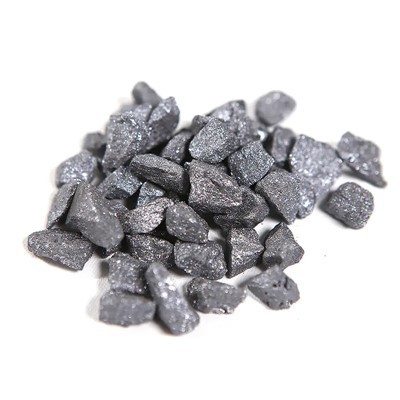
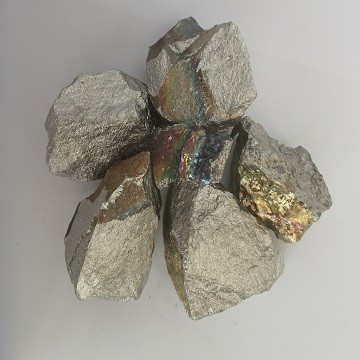
Global steel producers are increasingly turning to ferro alloy silicon carbon (Si-C) as a strategic input to reduce production costs without compromising on final product quality. Traditionally overshadowed by standard ferrosilicon (FeSi) and ferrochrome, Si-C alloy is now being recognized for its unique dual functionality-providing both silicon and carbon in a single, energy-efficient carrier.
Silicon carbon alloy typically contains 50-65% silicon and 10-20% carbon, with iron making up the balance. Its lower melting point compared to conventional ferroalloys allows for faster dissolution in molten steel, leading to shorter refining cycles and reduced energy consumption. Producers in India and Turkey have reported up to 12% savings in recarburizer and silicon addition costs after substituting a portion of FeSi with Si-C.
The alloy is particularly effective in the production of low-carbon steel grades and as a deoxidizer-cum-carburizer. "By using silicon carbon, we achieve better yield on silicon recovery while controlling carbon more precisely," said a senior sourcing manager at a Turkish mini-mill. "It's not a full replacement for high-grade FeSi in specialty steels, but for commercial grades and rebar, the economics are compelling."
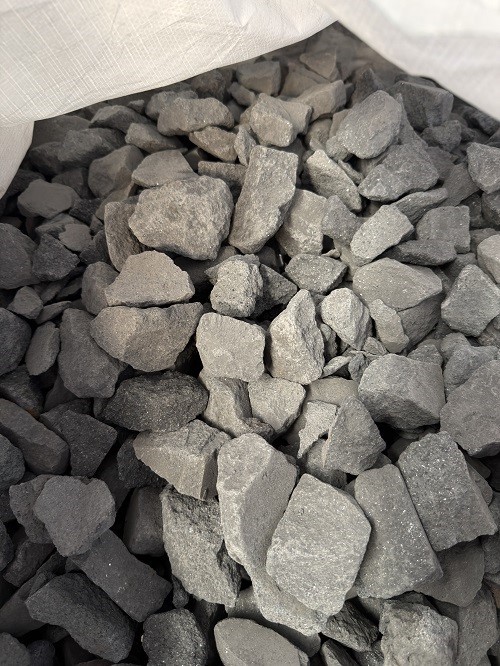
China remains the dominant producer of Si-C alloy, with Guizhou, Ningxia, and Inner Mongolia accounting for over 70% of global supply. However, new capacity is emerging in Southeast Asia and the Middle East as steelmakers seek localized sourcing to hedge against trade volatility. Prices for silicon carbon alloy have remained stable between $950–1,150 per metric tonne FOB China over the past six months, roughly 20-25% lower than standard 75% FeSi on a per-silicon-unit basis.
Market analysts caution that end users need to account for higher slag volumes due to the carbon content and potential dust generation. Nevertheless, with ferroalloy margins under pressure and steelmakers pursuing leaner operations, the adoption of silicon carbon alloy is projected to grow at an annual rate of 6-8% through 2028, outpacing many traditional ferroalloys. Industry associations have also begun updating their standard specifications to accommodate Si-C as a distinct product category, further accelerating its integration into mainstream steel production.