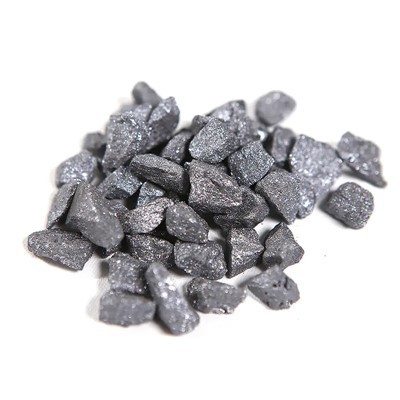
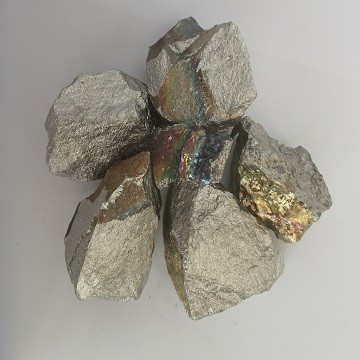
Introduction to Silicon Briquette
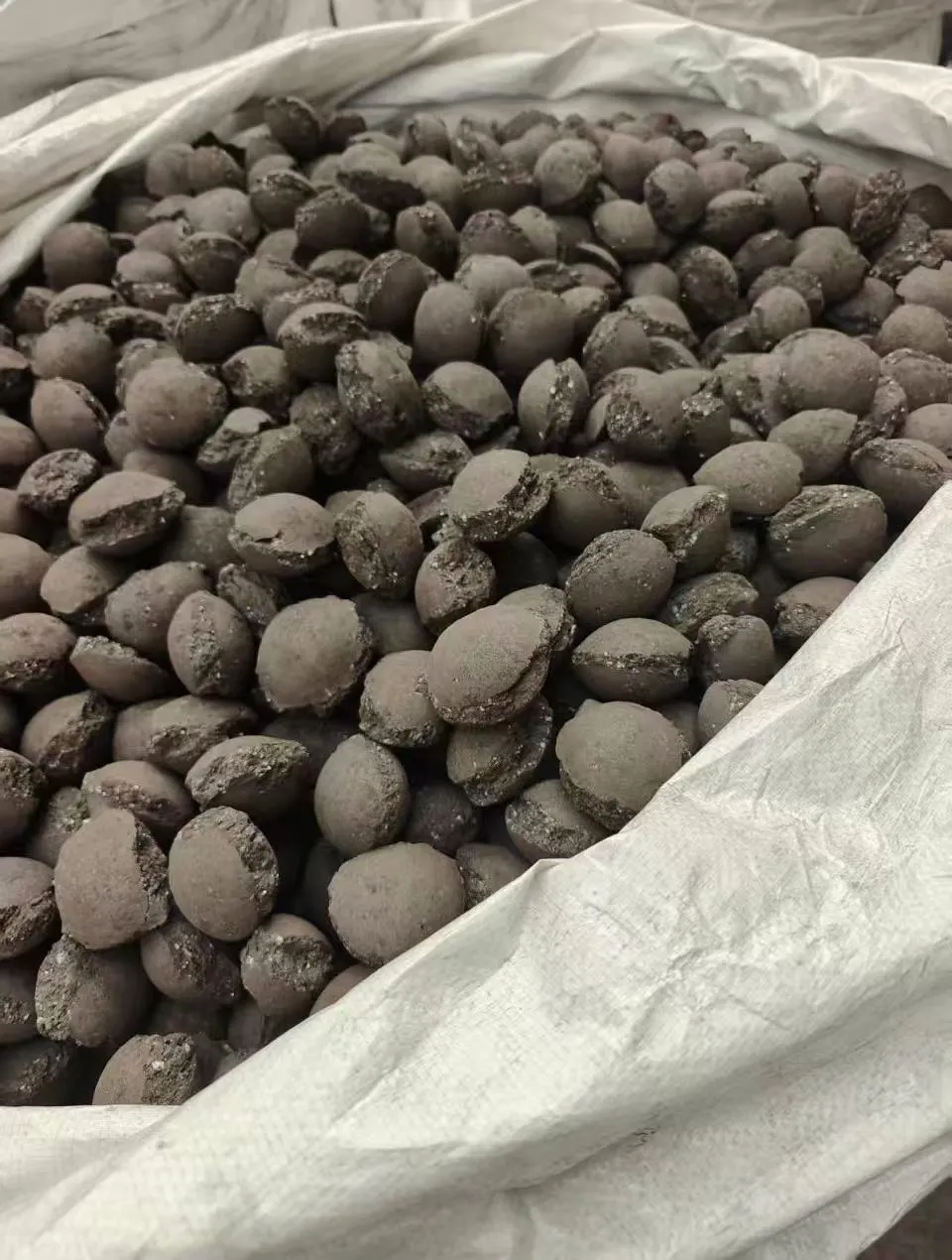
Silicon briquette is a composite material produced by compressing fine silicon powder, silicon sludge, or other silicon-containing by-products into a briquette form. It typically contains 45% to 65% silicon, along with smaller amounts of iron, aluminum, and calcium, depending on the source material. This product is gaining recognition as an economical alternative to conventional silicon alloys such as ferrosilicon (FeSi) in the steel production and foundry industries.
Manufacturing Process and Environmental Benefits
The production of silicon briquette involves collecting silicon waste from metallurgical or photovoltaic manufacturing processes, then mixing it with binders and pressing it into dense, uniform briquettes. This method recycles industrial by-products that would otherwise require disposal, reducing landfill use and cutting down on material loss. Because the briquettes are formed from reclaimed fines, their production consumes significantly less energy compared to smelting primary ferrosilicon alloys. Consequently, silicon briquette contributes to lower carbon emissions per unit of silicon delivered.
Application in Steelmaking
In electric arc furnace (EAF) and basic oxygen furnace (BOF) steelmaking, silicon briquette is used primarily as a deoxidizer and alloying agent. When added to molten steel, silicon reacts with dissolved oxygen to form silicon dioxide, which floats to the slag layer and prevents porosity in the final steel. The briquette's uniform size and weight ensure consistent dosing, faster melting, and stable slag control. Many steel mills have successfully replaced 20% to 50% of their ferrosilicon charge with silicon briquette without compromising steel quality.
Economic Advantages
The most compelling benefit of silicon briquette is its lower price, typically 15% to 30% cheaper than standard ferrosilicon (FeSi 75) on a per-tonne basis. Because it is made from recycled fines, the raw material cost is minimal. Steel producers can achieve the same silicon addition target while reducing overall alloy costs, making silicon briquette a popular choice in markets where profit margins are tight. Additionally, the briquette's high density minimizes dust loss during transport and furnace feeding, further improving yield.
Quality Considerations and Limitations
While silicon briquette works well for general deoxidation and low-to-medium silicon requirements, it may not be suitable for high-silicon specialty steels or applications requiring extremely low aluminum or carbon content. Each batch's composition can vary, so users should verify silicon content and impurity levels before large-scale use. However, for ordinary carbon steel, structural steel, and cast iron production, silicon briquette has proven to be a reliable and efficient substitute.
Market Outlook
As the global steel industry intensifies its focus on circular economy principles and cost reduction, demand for silicon briquette is expected to grow steadily. Major producers in China, India, and Russia have already ramped up output, and trading volumes in Southeast Asian and Middle Eastern markets are rising. With ongoing improvements in briquette uniformity and quality control, silicon briquette is poised to become a standard supplementary material in modern steelmaking.