Silicon Metal: The Essential Backbone of Modern Ferro Alloys
In the world of metallurgy, few materials are as quietly essential as silicon metal. As a core component of ferro alloys, silicon metal plays a critical role in producing stronger, more durable, and more corrosion-resistant steels and aluminum alloys.
What Is Silicon Metal?
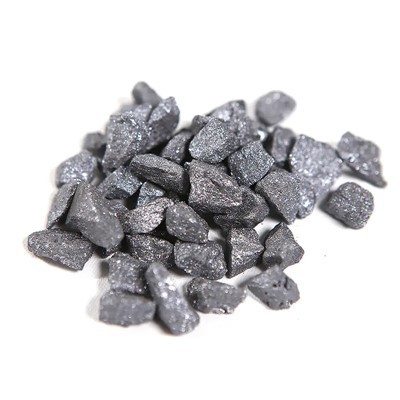
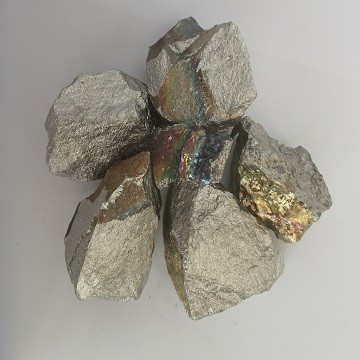
Silicon metal is a grey, lustrous semi-metallic material produced by reducing quartz (silica) with carbon materials like coal, coke, and wood chips in an electric arc furnace. The process requires extremely high temperatures, often exceeding 2000°C. The resulting product typically contains 98% to 99.9% silicon, with impurities such as iron, aluminum, and calcium carefully controlled depending on the intended application.
When silicon metal is alloyed with iron, it forms ferro silicon (FeSi) , one of the most widely used ferro alloys in the steel industry. Ferro silicon typically contains 45% to 75% silicon and serves as a deoxidizer, inoculant, and alloying agent.

Why Is Silicon Metal Critical to Industry?
The global steel industry consumes more than 70% of all silicon metal produced. Here is why it is indispensable:
Deoxidation: During steelmaking, excess oxygen must be removed to prevent blowholes and brittleness. Silicon metal reacts with oxygen to form silica slag, leaving clean, solid steel.
Alloying: Adding silicon to steel improves tensile strength, hardness, and magnetic properties. Electrical steels used in transformers and motors rely on high-purity silicon for their unique magnetic behavior.
Inoculation: In cast iron production, silicon promotes graphite formation, enhancing machinability and wear resistance.
Beyond steel, silicon metal is also a key ingredient in aluminum alloys, where it improves fluidity during casting and reduces thermal expansion. This makes it essential for automotive engine components and aerospace parts.
Market Trends and Production
China remains the world's largest producer and exporter of silicon metal, followed by Brazil, Norway, and the United States. However, rising energy costs and stricter environmental regulations have led to production cuts and price volatility in recent years.
A typical silicon metal furnace consumes between 12,000 and 14,000 kilowatt-hours per ton of product, making electricity one of the largest cost factors. As a result, producers are increasingly locating facilities near low-cost hydropower sources, especially in southwestern China and Scandinavia.
Grades and Applications
Silicon metal is classified by purity levels, commonly 553, 441, 411, and 3303. These numbers refer to maximum impurity percentages of iron, aluminum, and calcium. Lower numbers mean higher purity.
For ferro alloy production, the 553 grade (98.5% silicon) is the most common standard. Higher purity grades, such as 2202 or 1101, are used in specialty chemicals and semiconductor applications.
Future Outlook
Demand for silicon metal is expected to grow steadily, driven by electric vehicle production, renewable energy infrastructure, and advanced high-strength steels. However, the industry faces challenges in reducing carbon emissions. Many producers are now exploring green silicon production using bio-based carbon materials and hydropower.
For steelmakers and foundries, securing a stable supply of high-quality silicon metal remains a strategic priority. As global supply chains evolve, transparency and long-term partnerships will matter more than ever.