What is Silicon Slag?
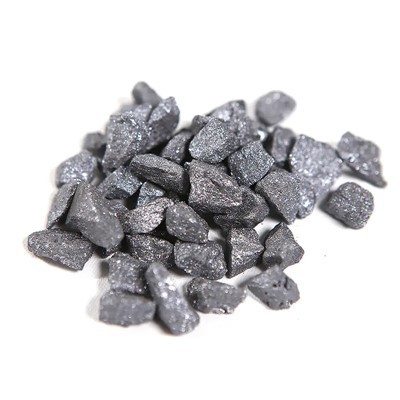
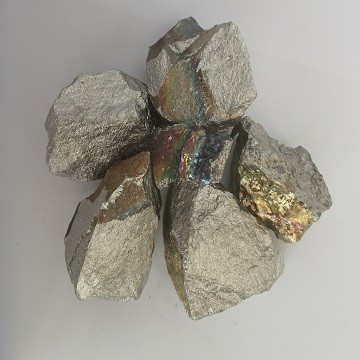
First, let's clarify what it is. Silicon slag is a byproduct generated during the production of silicon metal or ferrosilicon alloys in submerged arc furnaces. It's essentially the "leftover" material after the primary smelting process, containing a substantial amount of recoverable silicon (typically between 15% to 70% Si), along with other elements like iron, aluminum, and calcium.
For decades, this material was often treated as waste, dumped, or sold for a pittance. But now, the industry recognizes its potential.
The "Goldmine" Qualities: Why It's So Valuable
1. Significant Cost Savings in Steelmaking
This is the single biggest driver of its value. Silicon is a crucial deoxidizing agent in steel production. It removes excess oxygen from molten steel, improving the quality and strength of the final product.
Cheaper than Pure Silicon Metal: While steel mills need silicon, they don't always need the 98%+ purity of primary silicon metal. Silicon slag, with its 45%-70% silicon content, performs the deoxidizing job effectively at a fraction of the cost. This dramatically reduces production costs for steel mills without compromising quality for many standard steel grades.
2. Recovery of Residual Silicon
The "hidden" silicon within the slag is a direct source of value. Instead of mining and processing new quartz rock to produce silicon, companies can simply re-process or directly utilize the slag to extract this remaining silicon. This is a classic example of a circular economy, turning waste from one process into the raw material for another.
3. Versatility and Multiple Use Cases
Silicon slag isn't a one-trick pony. Its applications extend beyond just steel deoxidation:
Foundry Industry: Used in the production of cast iron and ductile iron to improve the quality of the molten iron, promoting graphitization, which enhances strength and machinability.
Refining of Other Metals: Can be used as a reductant or conditioner in the production of other non-ferrous metals.
Abrasive Blasting: Certain types of slag are crushed and used as an abrasive material for sandblasting.
Cement and Construction: In some cases, it can be used as an additive in cement production, though this is often a lower-value application.
4. Strong and Growing Market Demand
The global demand for steel and cast iron remains robust, especially in developing economies. This directly fuels the demand for cost-effective additives like silicon slag. As mills become more cost-conscious and environmentally aware, the demand for this efficient byproduct continues to rise.
5. Environmental and Sustainability Benefits (The "Green" Goldmine)
In today's world, this is a massive advantage. Utilizing silicon slag provides profound environmental benefits:
Reduces Landfill Waste: Diverting slag from landfills saves space and prevents potential soil/water contamination.
Conserves Primary Resources: Every ton of silicon used from slag is one less ton that needs to be mined and smelted from quartz. This saves energy, reduces mining footprint, and lowers overall greenhouse gas emissions.
Lowers Carbon Footprint: The energy required to re-melt or use slag is far less than the energy needed for primary silicon production, making it a key tool for industries aiming to meet sustainability goals.

Who Can't Afford to Ignore It?
Steel and Foundry Managers: Ignoring silicon slag means leaving significant cost savings on the table, making your operations less competitive.
Silicon Metal Producers: Treating slag as waste means losing a valuable revenue stream. Selling it effectively turns a cost center (waste disposal) into a profit center.
Traders and Scrap Metal Dealers: This is a high-volume, tradable commodity with a clear market. Understanding its specifications and value can be a lucrative business opportunity.
Investors and Entrepreneurs: The drive towards circular economy models makes businesses that efficiently utilize industrial byproducts like silicon slag highly attractive.
The Caveats: It's Not Pure Gold
To be balanced, it's important to note:
Quality is Key: The value is directly tied to its silicon content and the level of impurities. A 65% Si slag is far more valuable than a 15% Si slag.
Handling and Logistics: It requires proper handling, storage, and transportation like any other bulk industrial material.
Market Knowledge: Success requires understanding the specifications, applications, and market dynamics. You need to know what you're buying and selling.
Conclusion
Calling silicon slag a "hidden goldmine" is not an exaggeration. It embodies a powerful shift in industrial thinking: what was once considered waste is now a strategic resource.
It offers a compelling trifecta of benefits:
Economic: Major cost reduction for consumers, new revenue for producers.
Performance: Effectively meets the technical needs of major industries.
Environmental: Promotes recycling, resource conservation, and a lower carbon footprint.
For any player in the metals supply chain, ignoring the value of silicon slag is indeed a missed opportunity for profit, efficiency, and sustainability.