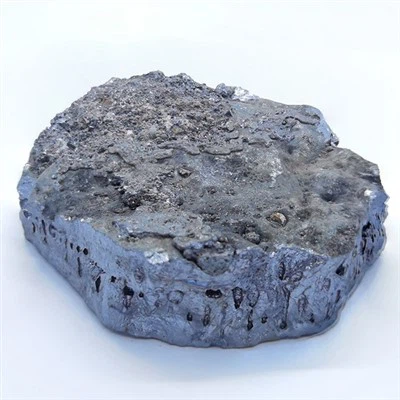
Products Description
Silicon slag, also referred to as silicon metal slag or ferrosilicon slag, is a residual byproduct formed during the production of silicon metal and ferrosilicon alloys. It contains significant amounts of silicon, along with other elements such as calcium, aluminum, carbon, and iron. The exact composition depends on the production process and the raw materials used.
Though considered a lower-grade material compared to pure silicon, silicon slag retains enough chemical activity to make it useful in several metallurgical applications. Its lower cost compared to refined silicon products makes it especially appealing for cost-sensitive industries.
Chemical Composition
The chemical makeup of silicon slag typically includes:
- Silicon (Si): 30% to 70%, depending on the grade.
- Calcium (Ca): 1% to 10%
- Aluminum (Al): 1% to 5%
- Iron (Fe): 1% to 10%
- Carbon (C): Trace amounts to 5%
Other trace elements may include magnesium, phosphorus, and sulfur. The composition can be adjusted by blending slags or refining techniques, depending on the end-use requirements.
Physical Properties
Silicon slag is typically dark gray or black in color and comes in lump, powder, or briquette form. Its hardness and melting point are lower than pure silicon, but it maintains enough thermal and chemical stability to perform effectively in high-temperature industrial environments.
Applications of Silicon Slag
Silicon slag is used in several key industrial sectors, including:
Steelmaking
Deoxidizer: One of the primary applications of silicon slag is in steelmaking, where it serves as an efficient and economical deoxidizing agent. Silicon helps remove oxygen from molten steel, improving its quality and mechanical properties.
Slag conditioner: It modifies the slag chemistry in the furnace, aiding in the removal of impurities such as sulfur and phosphorus.
Foundry Industry
In foundries, silicon slag can replace part of the ferrosilicon or silicon carbide used in the process. It aids in nucleation during casting and enhances the strength and finish of cast products.
Non-Ferrous Metal Processing
Silicon slag is sometimes employed in the refining of non-ferrous metals like aluminum and magnesium, where it helps in impurity removal.
Refractory Materials and Ceramics
Because of its thermal resistance, silicon slag can be used in the production of refractory bricks and other heat-resistant ceramic materials.
Concrete and Construction
Research is ongoing into using silicon slag as an additive in cement and concrete, potentially improving strength and durability while also recycling industrial waste.

Economic and Environmental Benefits
Cost-Effectiveness
Compared to high-purity silicon or ferrosilicon, silicon slag is considerably cheaper. This makes it an attractive alternative for industries looking to reduce production costs without sacrificing quality.
Waste Utilization
By repurposing a byproduct that would otherwise be discarded, silicon slag contributes to more sustainable industrial practices. It helps in reducing landfill waste and the environmental footprint of silicon production.
Energy Savings
Using silicon slag reduces the demand for high-energy-consuming materials like pure silicon, thereby indirectly saving energy in the overall production chain.
Quality Control and Grading
Silicon slag is typically graded based on its silicon content. Common grades include:
- Si 30%
- Si 40%
- Si 50%
- Si 60% and above
Buyers choose the grade depending on their specific application requirements. Consistent quality control during production and storage ensures that the slag retains its effectiveness.
Packaging and Transportation
Silicon slag is generally packaged in:
- 1-ton jumbo bags
- 25-50 kg woven bags
- Bulk delivery for large-scale industrial use
It should be stored in a dry environment to prevent moisture absorption, which can affect its chemical properties and performance.
Conclusion
Silicon slag, once considered an industrial waste product, has emerged as a valuable material across various sectors. Its utility in steelmaking, foundries, and even in advanced material applications highlights its growing importance. With proper management and increased awareness, silicon slag can play a significant role in sustainable manufacturing and resource optimization. As industries move toward greener practices, this humble byproduct is poised to make a big impact.
📧E-mail: goldenltd.silicon@gmail.com 📞WhatsApp: 86 16663721147
Hot Tags: industrial silicon slag, China industrial silicon slag manufacturers, suppliers, factory, Calcium Silicon Casi Alloy, Ferro Silicon Barium Fesiba, Other Ferro Alloy, Silicon Carbon Alloy, Silicon Manganese, Silicon Series