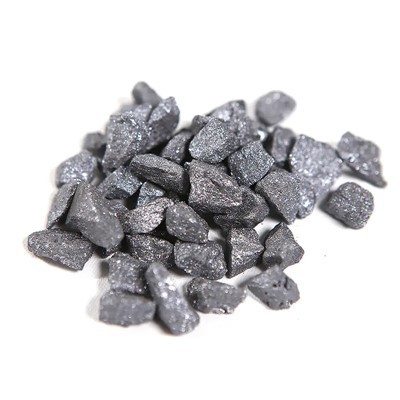
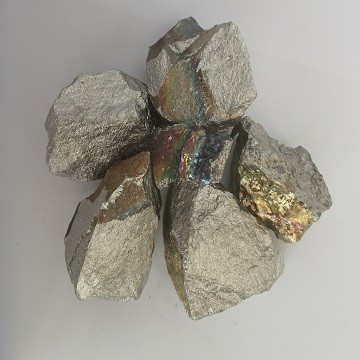
Silicon metal production is one of the most energy-intensive industrial processes in existence. Understanding the relationship between energy costs and silicon metal pricing is essential for navigating this volatile market. The connection is direct, powerful, and increasingly important as global energy markets transform. 🔥
The Energy-Intensive Nature of Production 🔋
Producing silicon metal requires approximately 11,000 to 13,000 kilowatt-hours per metric ton-enough electricity to power an average American home for an entire year . This energy intensity stems from the carbothermic reduction process, where quartz reacts with carbon at temperatures exceeding 1900°C in submerged arc furnaces.
Because energy represents 30-40% of total production costs, even small changes in power prices significantly impact silicon metal economics. When electricity costs rise by 10%, the breakeven for silicon metal increases by roughly 3-4%, forcing either margin compression or price adjustments. 📈
Regional Energy Cost Advantages 🌍
Silicon metal production concentrates in regions with access to low-cost electricity. China's Xinjiang benefits from coal power at $0.03-0.04 per kWh, making it the world's lowest-cost silicon metal hub . By contrast, European producers face industrial rates of $0.15-0.25 per kWh-five to eight times higher .
This differential has reshaped global supply. European silicon metal production fell from 350,000 tonnes in 2008 to just 120,000 tonnes in 2022 as smelters became uncompetitive . Norway remains an exception, using stable hydroelectric power to maintain cost-competitive silicon metal output.
Energy Volatility Creates Supply Disruptions ⚡
Power price spikes trigger immediate silicon metal supply disruptions. During the 2021-2022 European energy crisis, electricity prices exceeding €500 per MWh forced major smelters to curtail operations, reducing regional silicon metal output by approximately 30% .
China has experienced similar dynamics. In September 2021, power rationing in key regions cut silicon metal production by over 50%, sending global prices to historic highs above $6,000 per ton . These recurring patterns create a cycle: energy-driven cuts reduce supply, driving silicon metal prices higher until margins justify restarts. 🔄
The Energy Transition Impact 🌱
The shift to renewables creates complex effects on silicon metal pricing. Silicon metal enables solar panels and electric vehicles, yet its production emissions face increasing scrutiny. Carbon border adjustment mechanisms (CBAM) in Europe will soon price emissions into imported silicon metal, potentially adding 20-30% tariffs on coal-powered Chinese material .
This pressure will reshape production geography. Hydropower-rich regions like Quebec and Iceland, along with solar-blessed locations in Australia, may emerge as future silicon metal hubs. The cost of silicon metal will increasingly reflect not just energy quantity, but carbon intensity as well. 🍃
Conclusion 📊
Energy costs influence silicon metal pricing through production economics, regional competitiveness, supply disruptions, and carbon pricing. Tracking energy markets is fundamental to understanding silicon metal price formation. As the world pursues decarbonization, the relationship between silicon metal and energy will only grow stronger-silicon metal enables green technologies while depending on affordable, clean power for its own production. 💡