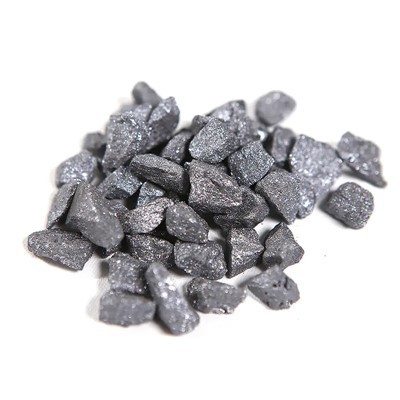
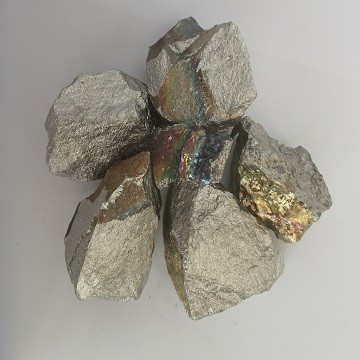
The global silicon metal market is undergoing a profound transformation, shifting from a traditional commodity to a strategically critical material powering the energy transition and advanced manufacturing . With the market projected to grow from $8.95 billion in 2026 to $13.55 billion by 2034 at a CAGR of 5.3%, understanding the major trends in silicon metal consumption is essential for industry stakeholders . Here are the key trends defining where and how silicon metal is being consumed today.
Energy Transition Driving Polysilicon Demand ☀️
The most significant trend reshaping silicon metal consumption is the explosive growth in solar photovoltaic deployment. The polysilicon segment is projected to be the fastest-growing application for silicon metal, with a CAGR of 6.6% through 2034 . This growth directly links silicon metal demand to global renewable energy policies and climate commitments.
Silicon metal serves as the essential raw material for polysilicon used in solar cells. As governments worldwide prioritize energy security and decarbonization, large-scale solar installations continue expanding at unprecedented rates . The International Energy Agency estimates that global solar PV capacity additions must reach 630 GW annually by 2030 to meet net-zero targets-each gigawatt requiring approximately 3,500-4,000 tonnes of silicon metal .
However, this trend faces near-term challenges. Recent CRU analysis indicates global silicon metal demand remains muted primarily due to weakness in polysilicon markets, with buyers adopting a "wait-and-see" approach amid uncertainty and plentiful inventory levels . Chinese silicon metal production cuts in early 2026-down 27.1% month-on-month in February-reflect this demand-side weakness, though the long-term trajectory remains firmly upward .
Electric Vehicle Lightweighting Accelerating Aluminum Alloy Consumption 🚗⚡
The aluminum alloys segment continues to hold the dominant share of silicon metal consumption, driven fundamentally by the global push for lightweighting across automotive and transportation sectors . As electric vehicles gain market share, manufacturers increasingly rely on aluminum-silicon alloys to offset battery weight and improve efficiency .
Silicon metal improves aluminum's castability, strength, and durability-making it essential for producing complex, high-performance components . A typical electric vehicle contains 150-200 kg of aluminum, much of it as aluminum-silicon castings in battery enclosures, motor housings, and structural components. The thermal conductivity of silicon metal-containing alloys proves particularly valuable for battery thermal management systems.
This trend shows remarkable momentum. Eurostat data reveals that new battery-only electric passenger car registrations in the EU reached 1.5 million in 2023, a 48.5% increase from 2022 . Each vehicle's aluminum content relies on consistent silicon metal supply, creating durable, long-term demand fundamentals .
Strategic Shift from Commodity to Critical Material 📈
The silicon metal market is experiencing a structural transition from a low-margin, commodity-driven market to a strategically important materials sector . This shift is driven by rising demand from solar manufacturing, electric vehicles, and advanced silicones, which require higher consistency and tighter specifications .
Producers are increasingly investing in furnace efficiency, renewable power sourcing, and downstream integration to stabilize margins . Simultaneously, buyers prioritize supply security and carbon footprint considerations, elevating silicon metal from a purely cost-driven input to a strategic procurement item tied closely to energy transition goals .
This strategic elevation is reflected in investment patterns. Major players including Ferroglobe, Elkem ASA, and Wacker Chemie are positioning themselves as integrated solution providers rather than simple commodity suppliers . The shift fundamentally changes how silicon metal is valued, contracted, and consumed across the value chain.
Low-Carbon Silicon Emerges as Premium Market Segment 🌱
The global push for decarbonization is creating a meaningful opportunity for the silicon metal industry to move beyond cost competition . Customers in solar, electronics, and silicones industries increasingly seek low-carbon silicon metal to meet their own sustainability commitments.
Producers that can rely on renewable electricity, improve furnace efficiency, or use biomass-based reductants are gaining clear competitive advantages . This allows them to secure long-term supply contracts, command modest price premiums, and build closer customer partnerships . Regions with access to clean power-including Norway, Canada, and parts of the United States-are especially well-positioned to transform sustainability into durable competitive edge .
Technavio identifies "decarbonization and ascent of green silicon" as a prime factor driving silicon metal market growth through 2030 . As carbon border adjustment mechanisms expand globally, the differentiation between conventional and low-carbon silicon metal will likely widen.
Supply Chain Regionalization and Trade Defense Mechanisms 🌍
Geopolitical factors and trade policies are fundamentally reshaping silicon metal consumption patterns. Strategic supply chain regionalization and trade defense mechanisms are identified as prime factors driving market dynamics during 2025-2030 .
The United States has implemented multiple trade actions affecting silicon metal imports from Australia, Norway, Angola, and Laos . These measures aim to protect domestic producers including Ferroglue USA and Mississippi Silicon, fundamentally altering sourcing strategies for American consumers.
In Europe, CRU reports that European silicon metal producers remain uncompetitive against low-priced imports unless safeguard measures are implemented . Ferroglobe's announcement of production shutdowns in France and Spain from late 2025 further reduces European production levels, leaving very limited active capacity in the region . This forces European consumers to rely increasingly on imported silicon metal, creating new supply chain vulnerabilities and procurement challenges.
✨ These five trends-polysilicon growth, EV lightweighting, strategic material elevation, low-carbon differentiation, and supply chain regionalization-are collectively transforming silicon metal consumption. For producers, buyers, and investors, understanding these shifts is essential for navigating the rapidly evolving silicon metal landscape. As the material becomes increasingly central to the global energy transition, its consumption patterns will continue reflecting broader economic, environmental, and technological priorities.