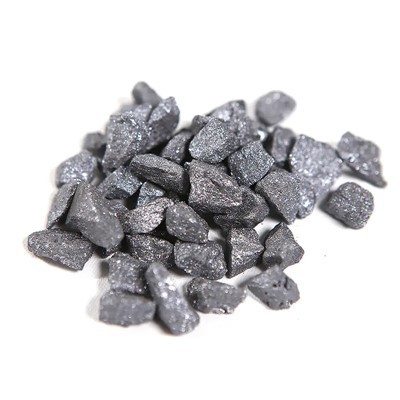
In the intricate symphony of steelmaking, where precision in chemistry dictates the quality of the final product, Graphite Petroleum Coke (GPC) plays a crucial, albeit often understated, role. As a premium-grade recarburizer, GPC is employed to adjust and elevate the carbon content in molten steel. This process is fundamental because carbon is the primary hardening element in steel, directly influencing its strength, hardness, ductility, and machinability. Unlike standard petroleum coke or coal-based carbons, GPC undergoes a secondary high-temperature graphitization process (often above 2500°C), which purifies it and transforms its internal carbon structure into a highly ordered, crystalline form akin to natural graphite. This unique structure underpins its superior performance in the demanding environment of a steel mill. Its application is a science of timing, methodology, and chemistry, primarily focused on the secondary metallurgy stages following the initial oxygen-blowing processes that have decarburized the melt.


Primary Function: Precision Carburization in Secondary Metallurgy
The core use of GPC is for precision carburization, most prominently during the ladle furnace (LF) or argon oxygen decarburization (AOD) stages, after primary steelmaking in a Basic Oxygen Furnace (BOF) or Electric Arc Furnace (EAF).
The Context of Decarburization: In both BOF and EAF routes, oxygen is used aggressively to remove impurities (like silicon, manganese, and phosphorus) and excess carbon from the hot metal or scrap. This results in molten steel with carbon content often below the target specification for the final grade.
The Need for Precision: Simply adding carbon back is not enough; it must be done with high efficiency, predictability, and minimal disruption to other carefully balanced elements. This is where GPC excels. Operators calculate the required addition based on the "carbon recovery rate"-the percentage of carbon from the additive that actually dissolves into the melt. GPC boasts consistently high recovery rates (typically 90-98%, compared to 70-90% for standard calcined petroleum coke), thanks to its low sulfur, nitrogen, and ash content.
The Outcome: By injecting or adding precise amounts of GPC, metallurgists can reliably "fine-tune" the carbon content to the exact midpoint of the narrow target range for a specific steel grade, whether it's a low-carbon sheet steel for automotive panels or a high-carbon spring steel.
Method of Addition: Optimizing Yield and Efficiency
The method of introducing GPC into the molten steel is critical to maximizing its dissolution and minimizing losses. The two primary methods are:
Wire Feeding: This is the most efficient and controlled method for high-grade steel production. GPC is compacted into dense, solid rods or cored wires (with a steel sheath). These wires are then injected at high speed deep into the molten steel bath using a wire feeder. The advantages are profound:
Deep Injection: The wire penetrates the slag layer and enters the molten steel, where it melts and dissolves directly, bypassing potential slag reactions.
Excellent Yield: The enclosed environment minimizes oxidation of carbon by atmospheric oxygen or slag, leading to near-theoretical recovery rates.
Process Control: It allows for real-time, precise adjustments and is highly reproducible.
Ladle Addition: For less critical grades or in operations where wire feeders are not available, GPC in granular form (e.g., 1-5mm) can be added directly onto the surface of the molten steel in the ladle, often during tapping or at the ladle furnace. While simpler, this method has drawbacks:
Surface Contact: The material sits on the slag or metal surface, increasing the risk of oxidation and carbon loss to the atmosphere or slag.
Lower Recovery: Recovery rates are less predictable and generally lower than with wire feeding, as it relies more on effective slag practice and stirring (via argon bubbling) to incorporate the carbon.
Slag Interaction: There is a higher chance of impurities from the GPC (though low) entering the slag, which could potentially be reverted back into the steel.
Superior Properties Driving Adoption: Why GPC Over Alternatives?
Steelmakers choose GPC over other recarburizers like anthracite coal, calcined petroleum coke (CPC), or synthetic graphite because of a combination of material properties that translate directly into economic and quality benefits.
High Fixed Carbon & Low Impurities: GPC typically contains >99% fixed carbon. More importantly, its sulfur content is extremely low (<0.05%, often <0.03%), and nitrogen levels are minimal. Sulfur is particularly detrimental as it causes hot shortness (brittleness during rolling) and impairs toughness. Low nitrogen prevents aging and improves ductility. This purity means steelmakers can add more carbon without the risk of exceeding strict limits on residual harmful elements.
Excellent Absorption Rate and Predictability: The graphitized crystalline structure is more readily "wetted" and dissolved by molten iron, leading to rapid and consistent dissolution. This fast absorption minimizes the time needed for homogenization in the ladle furnace, saving energy and increasing throughput.
Low Gas and Moisture Content: GPC is calcined and graphitized at extreme temperatures, driving off all volatiles and moisture. This prevents gas eruptions or porosity issues when added to the ladle, ensuring a calm, controlled process and a sounder final steel product.
Economic and Operational Advantages
The technical superiority of GPC directly impacts the bottom line and operational smoothness of a steel plant.
Reduced Alloying Costs: Due to its high and predictable recovery rate, less GPC by weight is needed to achieve the same carbon increase compared to a lower-grade recarburizer. This translates to direct material savings.
Consistency in High-Quality Production: For steel grades with stringent specifications-such as bearing steel, tire cord, high-carbon wire rod, or advanced automotive steels-the consistency of GPC is non-negotiable. It guarantees batch-to-batch uniformity, reducing the risk of off-specification heats that must be downgraded or reprocessed at great cost.
Environmental and Operational Benefits: Low sulfur content helps mills meet increasingly tight environmental regulations on emissions and reduces the consumption of desulfurizing agents like calcium. The clean, dust-free nature of high-quality GPC (especially in wire form) improves shop floor conditions and worker safety.
Conclusion
The use of Graphite Petroleum Coke in steelmaking epitomizes the industry's shift towards precision, quality, and efficiency. Far from being a mere raw material, it is a high-performance metallurgical tool deployed at a critical juncture in the production process. By enabling precise, efficient, and clean carburization during secondary refining, GPC directly supports the manufacture of cleaner, stronger, and more reliable steel. Its adoption, particularly via modern wire feeding technology, is a hallmark of a mill focused on producing value-added steel products in a competitive and quality-conscious global market. As steel specifications continue to tighten, the role of premium recarburizers like GPC will only become more central to metallurgical success.