How is Silicon Metal Manufactured?
Silicon metal is one of the most important industrial materials of the modern world. From aluminum alloys to chemicals, electronics, and solar power, the demand for silicon metal continues to expand rapidly. Understanding how silicon metal is manufactured is essential not only for professionals in metallurgy but also for anyone connected to industries like steelmaking, chemical engineering, and renewable energy.
This article provides a deep dive into the manufacturing process of silicon metal, explaining raw material selection, smelting technology, refining, quality control, environmental management, and global industry trends.
1. What Is Silicon Metal?
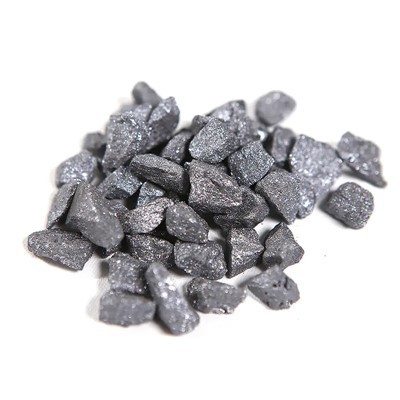
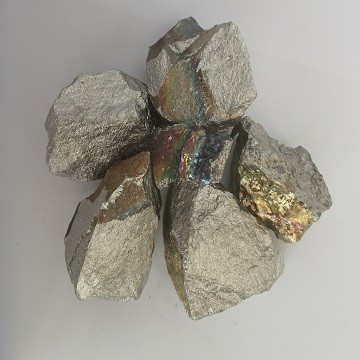
Silicon metal, sometimes called industrial silicon, is a metallurgical product with a silicon content of more than 98%. It is produced by smelting quartz (SiO₂) with carbon materials in a high-temperature submerged arc furnace.
Silicon metal is not a natural resource-it must be created through controlled industrial processes. Its unique physical and chemical properties, such as high strength, corrosion resistance, low density, and electrical conductivity, make it indispensable.
Main applications of silicon metal include:
Aluminum alloys – improving strength, wear resistance, and casting performance.
Chemicals – producing silicones, silanes, and fumed silica.
Semiconductors – refining silicon metal into ultra-pure silicon for microchips.
Solar industry – converting silicon metal into polysilicon for photovoltaic panels.
2. Raw Materials for Silicon Metal Production
The quality of silicon metal largely depends on raw material selection. The main raw materials are:
Quartz (SiO₂)
High-purity quartz is the primary source of silicon.
Impurities like Fe, Al, and Ca must be minimized to ensure stable quality of silicon metal.
Carbonaceous Materials
Used as reducing agents.
Common sources: petroleum coke, coal, wood chips, charcoal.
These materials react with SiO₂ to release oxygen and produce metallic silicon.
Auxiliary Materials
Wood chips improve permeability of the furnace charge.
Sometimes special fluxes are added to improve smelting efficiency.
The precise ratio of quartz and carbon sources directly influences the yield, energy consumption, and impurity level of the final silicon metal.
3. Smelting Process of Silicon Metal
The production of silicon metal takes place in submerged arc furnaces operating at temperatures above 2000°C. The process can be divided into several stages:
(1) Raw Material Preparation
Quartz is washed, sorted, and sized (usually 10–100 mm).
Carbon materials are crushed, screened, and dried.
Proper size distribution ensures stable furnace permeability.
(2) Furnace Charging
Raw materials are mixed in precise proportions and fed into the furnace.
Continuous charging maintains stable reactions.
(3) Reduction Reaction
At high temperatures, carbon reduces SiO₂ to produce silicon metal:
SiO2+2C→Si+2CO↑SiO_2 + 2C → Si + 2CO↑SiO2+2C→Si+2CO↑
The reaction occurs deep inside the furnace.
Large amounts of carbon monoxide gas are released.
Liquid silicon metal accumulates at the bottom of the furnace.
(4) Tapping
The molten silicon metal is tapped periodically.
It is directed into ladles and molds, then allowed to solidify.
Furnace gas is collected and treated to reduce emissions.
(5) Crushing and Sizing
After cooling, silicon metal is crushed into standard sizes (10–100 mm).
Off-grade or smaller particles are sometimes sold for chemical applications.
4. Refining and Purification
Although furnace smelting produces crude silicon metal, further refining is often required:
Ladle Refining – impurities like Fe and Al are removed by adding fluxes.
Directional Solidification – higher-purity silicon separates as crystals grow.
Acid Leaching – removes metallic impurities from crushed silicon metal.
Zone Refining – for electronic-grade silicon, purity reaches 99.9999999%.
For standard grades (553, 441, 3303, 2202), refining ensures that Fe, Al, and Ca contents meet customer specifications. For semiconductor use, silicon metal must be purified to "nine-nines" (99.9999999%) or higher.

5. Quality Control in Silicon Metal Production
Stable quality is critical for end-users in alloys, chemicals, and electronics. Leading silicon metal producers adopt:
Strict raw material testing – especially impurity levels in quartz and coke.
Computer-controlled furnaces – ensuring stable temperatures and power input.
Batch sampling and chemical analysis – verifying Si, Fe, Al, Ca contents.
Third-party inspections – SGS, BV, CIQ certificates for international trade.
Maintaining consistent quality across batches is key to building customer trust.
6. Environmental and Safety Considerations
Silicon metal manufacturing is energy-intensive and produces emissions. Responsible producers focus on:
Energy efficiency – advanced furnace design reduces power consumption.
Dust collection systems – capturing fine particles from furnace off-gas.
CO management – recovering carbon monoxide for energy use.
Worker safety – high temperatures and electric currents require strict PPE.
Environmental regulations are becoming stricter worldwide, pushing manufacturers to adopt cleaner and greener technologies in silicon metal production.
7. Why High Purity Matters
The purity of silicon metal determines its value and application:
For aluminum alloys – purity improves strength and reduces casting defects.
For chemicals – high-purity silicon metal produces better silicones.
For electronics and solar – ultra-high-purity silicon is the foundation of chips and solar cells.
Even small impurities like Fe or Al can significantly affect product performance. That's why manufacturers invest heavily in refining technologies.
8. Global Supply and Trade of Silicon Metal
Silicon metal is produced in major industrial regions such as:
China – the largest global producer, with advanced furnace technology.
Brazil – known for hydroelectric-powered silicon metal plants.
Norway, France, Spain – key European producers.
USA, Canada – significant suppliers for domestic industries.
The global market is influenced by:
Raw material costs (quartz, petroleum coke).
Electricity prices (a major production cost).
Environmental regulations.
Demand from aluminum, chemical, and solar industries.
9. Future Trends in Silicon Metal Manufacturing
Green Energy Integration – hydro and solar-powered furnaces reduce emissions.
Digital Furnace Control – AI and sensors optimize smelting efficiency.
Recycling – reusing silicon scrap from solar panels and electronics.
Growing Demand – especially from renewable energy and semiconductor sectors.
The industry is expected to keep expanding, and silicon metal will remain a strategic material for global industrial and technological development.
10. Conclusion
So, how is silicon metal manufactured?
The process involves:
Selecting high-purity quartz and carbon.
Smelting in submerged arc furnaces at 2000°C+.
Refining to reduce impurities.
Strict quality control and safe transport.
Silicon metal is not just another raw material-it is the backbone of aluminum alloys, chemical products, electronics, and renewable energy. Its manufacturing process combines advanced metallurgy, strict quality assurance, and growing environmental responsibility.
As demand for high-performance materials continues to rise, the silicon metal industry will play an even greater role in shaping the future of steelmaking, chemicals, and high-tech industries.