1. Understand Key Application Requirements
Temperature Range:
High-purity SiC (≥97% SiC) performs best above 1500°C (e.g., kiln furniture, blast furnace linings).
Standard grades (85–90% SiC) suit moderate temperatures (1200–1400°C) in non-critical zones.
Chemical Exposure:
Alkaline or slag-rich environments require low-iron, low-alumina SiC to resist corrosion.
Oxidizing atmospheres need dense, self-sealing SiC grades that form a protective SiO₂ layer.
Mechanical Stress:
For abrasion-prone areas (e.g., cyclone linings), choose coarse-grained, high-toughness SiC.
Thermal shock resistance is enhanced by SiC with controlled porosity and microcrack networks.
2. Compare Common SiC Grades for Refractories
| Grade Type | SiC Content | Key Features | Ideal Use Cases |
|---|---|---|---|
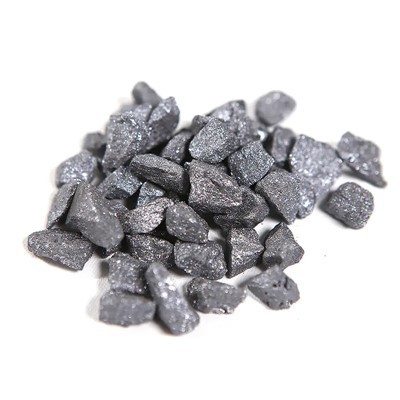
| Black SiC | 95–99% | High thermal conductivity, abrasion-resistant | Steel ladles, kiln shelves, incinerators |
| Green SiC | ≥99% | Higher purity, better oxidation resistance | Semiconductor furnaces, high-purity labs |
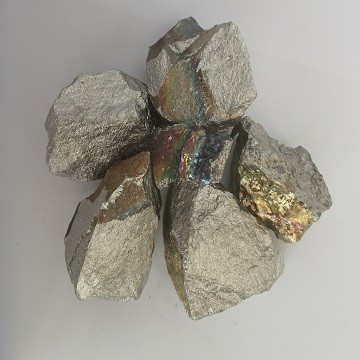
| Bonded SiC | 80–90% | Clay or nitride-bonded, cost-effective | Checker bricks, lower-temperature zones |
| Recrystallized SiC | 99%+ | Sintered structure, zero porosity | Radiant tubes, heat exchangers |
3. Evaluate Technical Parameters
Particle Size Distribution:
Wide gradation improves packing density and reduces permeability.
Uniform fine grains enhance sintering and surface smoothness.
Impurity Limits:
Iron (Fe₂O₃) should be <0.5% for high-temperature stability.
Free silicon (<1%) prevents expansion issues during heating.
Porosity and Density:
Low porosity (≤15%) increases slag penetration resistance.
Bulk density >2.6 g/cm³ ensures structural integrity.
4. Align with Process and Economic Factors
Installation Method:
Castables/prefabs work better with finely graded SiC aggregates.
Brick laying requires precisely sized grains to minimize joint erosion.
Total Cost of Ownership:
Higher initial cost of premium SiC may reduce downtime and replacement frequency.
Calculate cost per cycle (e.g., tons of steel produced per lining) rather than per ton of material.
5. Request Supplier Support
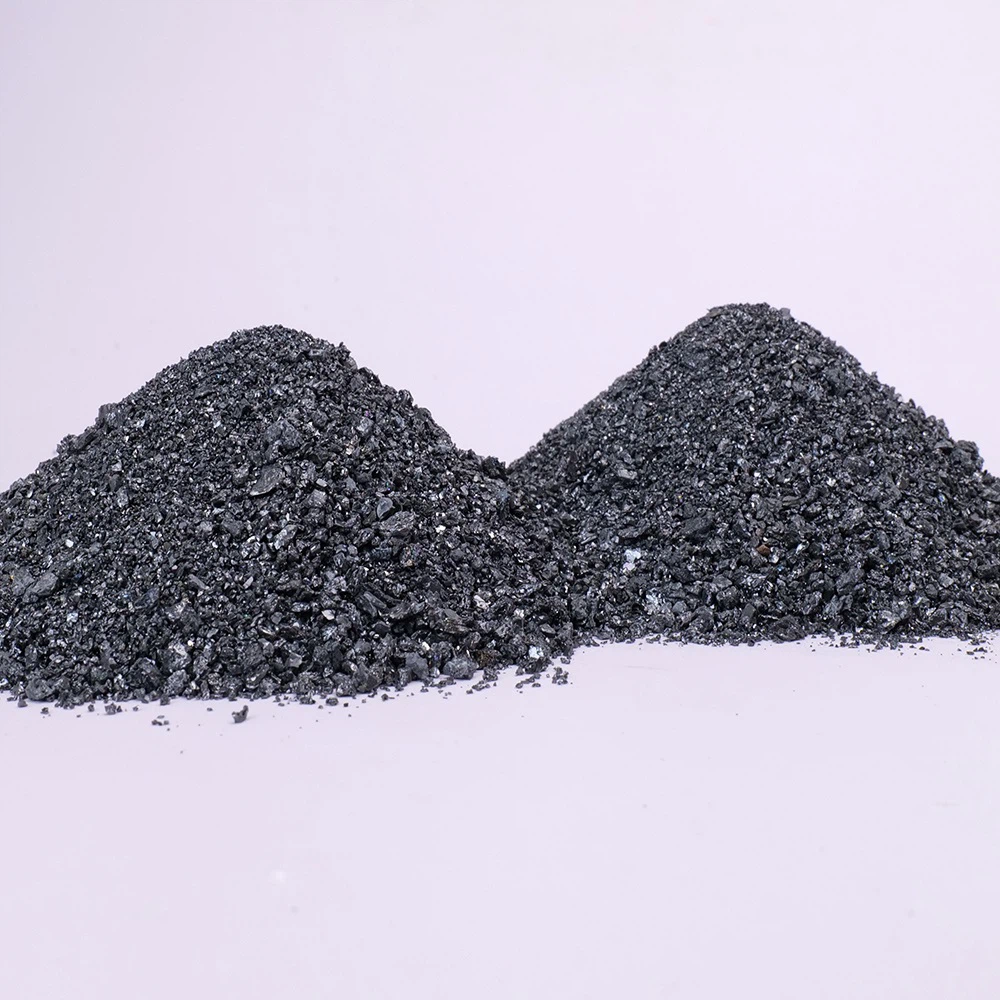
Ask for batch-specific test reports (chemical analysis, grain size curves).
Request sample trials under simulated operating conditions.
Discuss custom blending (e.g., SiC with added antioxidants like Si₃N₄ or Al₂O₃).
Quick Selection Checklist
✅ Step 1: Define operating temperature, atmosphere, and mechanical stress.
✅ Step 2: Match needs to SiC grade (e.g., black SiC for abrasion, recrystallized for purity).
✅ Step 3: Verify technical specs (purity, grain size, impurities).
✅ Step 4: Balance performance with budget via lifecycle cost analysis.
✅ Step 5: Collaborate with suppliers for tailored solutions.
Why This Matters
Choosing the wrong SiC grade can lead to premature lining failure, increased energy consumption, or production downtime. By following this framework, you ensure optimal material performance, safety, and cost efficiency in refractory systems.