Is Ferro Silicon Calcium the Unsung Hero of Modern Steelmaking?
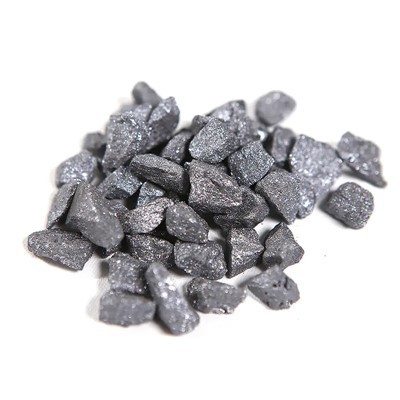
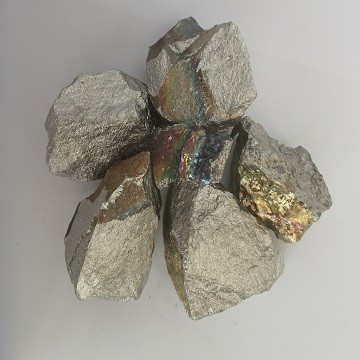
In the quest for cleaner, stronger, and more reliable steel, the industry often turns to complex metallurgical solutions. Among these, ferro silicon calcium (FeSiCa) stands out as a critical yet often overlooked ferroalloy. But what exactly makes this combination of iron, silicon, and calcium so indispensable? The answer lies in its unique ability to perform a dual role: it serves as a powerful deoxidizer and desulfurizer, while also modifying the shape of non-metallic inclusions to dramatically improve the final properties of steel.
The primary value of FeSiCa comes from the reactivity of calcium. While silicon is a strong deoxidizer on its own, calcium is far more effective and has the added benefit of removing sulfur. When introduced into molten steel, calcium reacts with oxygen and sulfur to form stable compounds that easily float into the slag. This significantly enhances the cleanliness and purity of the steel. Crucially, calcium modifies the morphology of remaining alumina (Al₂O₃) inclusions, transforming them into complex, lower-melting-point calcium aluminates. This prevents the clogging of continuous casting nozzles, ensuring a smooth and efficient production process .

In practical terms, FeSiCa is the primary material used for the "calcium treatment" of aluminum-killed steels, a process that has become standard for producing high-quality grades used in the automotive and energy sectors . Recent advancements have even refined its application; for example, a novel process developed for CAS refining uses ferro silicon alloy to increase calcium content in steel, boosting the calcium yield from approximately 12.5% to an impressive 45.1% while shortening the refining period. This innovation reduces costs and the need for a separate calcium treatment step .
Producing FeSiCa is a complex and high-temperature process, typically carried out in submerged arc electric furnaces. It involves the carbothermic reduction of quartz (SiO₂) and lime (CaO) in the presence of iron, and is notoriously difficult to control due to the formation of large amounts of slag and intermediate carbides . Despite these production challenges, the market for this vital alloy is growing. Its demand is closely tied to the rise in global production of high-quality, special steels, which require the inclusion control that only FeSiCa can effectively provide. As the steel industry moves toward ever-cleaner and higher-performance materials, ferro silicon calcium proves itself not just as an additive, but as a fundamental necessity.
📧E-mail: goldenltd.silicon@gmail.com 📞WhatsApp: 86 16663721147