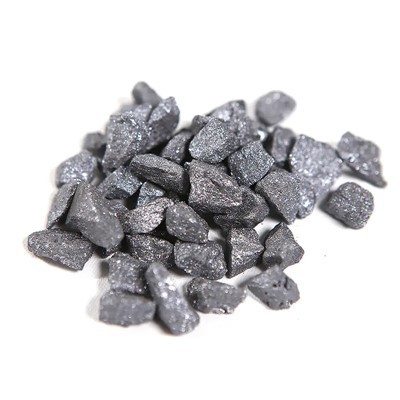
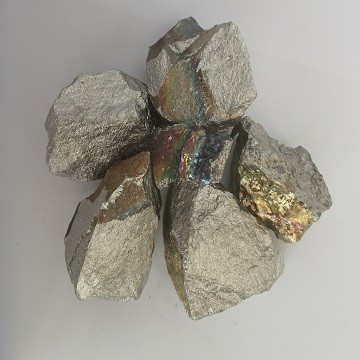
Silicon Metal vs. Silicon Carbide: Which is Better for Iron Casting Inoculation?
Inoculation is a critical step in cast iron production. This final addition of materials to the molten iron before pouring is essential for controlling graphite structure, reducing chill, and improving mechanical properties . Among the various inoculants, silicon-based materials are the most common. However, a key decision foundries face is choosing between pure silicon metal and silicon carbide (SiC). While both are sources of silicon, their performance, mechanisms, and overall value in inoculation differ significantly.
The Case for Silicon Carbide
Silicon carbide is increasingly recognized not just as a source of silicon, but as a powerful preconditioner and inoculant in its own right. Its primary advantage lies in its unique dissolution characteristics. SiC has a very high melting point, meaning it does not dissolve immediately upon addition to the molten iron. Instead, it dissolves slowly, creating a long-lasting nucleation effect that is more resistant to "fading" compared to traditional ferrosilicon-based inoculants .
As SiC dissolves, it reacts with the iron to generate highly active, non-equilibrium graphite and silicon. This localized creation of high-carbon and high-silicon micro-zones is an ideal environment for the heterogeneous nucleation of graphite, leading to a refined and improved microstructure .
Silicon Metal's Limitations
In contrast, pure silicon metal is generally considered a poor inoculant. Research has shown that when evaluating various inoculants, silicon metal was "decidedly inferior" to ferrosilicon. While it adds silicon to the melt, it lacks the powerful nucleating agents-such as calcium, barium, or strontium-that are commonly found in high-performance ferrosilicon inoculants. These elements are crucial for forming effective (Mn,X)S compounds, which act as potent nuclei for graphite .
Head-to-Head Performance
The performance difference between the two is clear, especially in demanding applications.
Graphite Structure: SiC has been found to promote a high number of graphite particles and, in ductile iron, can lead to a higher nodule count . Research on thin-wall ductile iron castings showed that pre-inoculation with SiC resulted in the best castability and the lowest percentage of iron carbides, a crucial factor for avoiding hard, brittle spots .
Mechanical Properties: The microstructural improvements from SiC translate directly to better mechanical properties. Studies have shown that using a SiC-based inoculant can produce more significant effects on enhancing the mechanical properties of cast iron compared to a conventional inoculant like FeSi75 . It has also been linked to a higher amount of ferrite in the structure, improving strength properties .
Mitigating White Iron: A key goal of inoculation is to prevent the formation of carbides (white iron), especially in thin sections where cooling is rapid. While SiC is sometimes rated lower than the best ferrosilicon inoculants for this specific task, its use as a furnace pre-inoculant has proven highly effective in reducing carbides in thin-wall ductile iron.
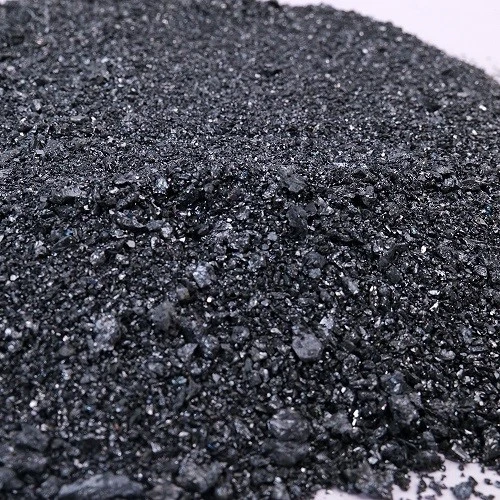
Conclusion: SiC Is the Superior Choice
While silicon metal serves its purpose as a base alloying element for adjusting silicon content, it is an inefficient and ineffective inoculation agent. For inoculation, silicon metal is clearly outmatched by silicon carbide.
SiC offers a superior mechanism for graphite nucleation, a more prolonged and fade-resistant effect, and a clear path to enhanced mechanical and structural properties. For foundries looking to optimize the quality and consistency of their castings, particularly when using steel scrap or producing thin-walled components, choosing high-purity silicon carbide is not just an option-it is the strategic choice for success.
📧E-mail: goldenltd.silicon@gmail.com 📞WhatsApp: 86 16663721147