Introduction:
High carbon silicon (also known as silicon-carbon alloy or Si-C alloy) is an emerging composite material widely used in steelmaking and foundry industries. But is it truly revolutionary? The short answer is yes-for specific cost-sensitive and quality-driven applications. Below is a detailed explanation of why this material is gaining global attention.
What Exactly Is High Carbon Silicon?
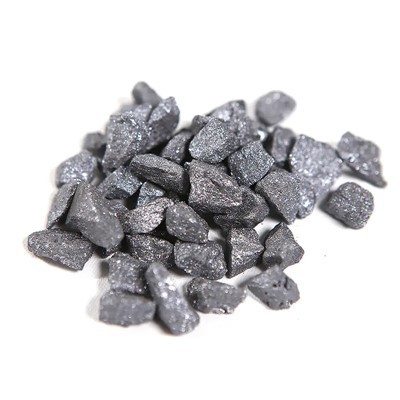
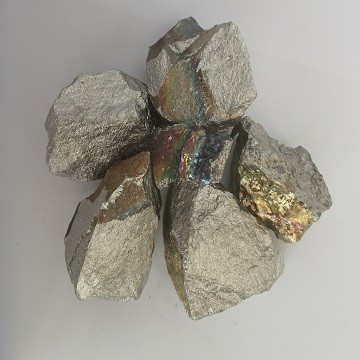
High carbon silicon is not a simple mixture but a fused alloy typically containing 55–70% silicon, 10–25% carbon, and smaller amounts of iron and other trace elements. It is produced by smelting quartzite, petroleum coke, and coal in a submerged arc furnace at high temperatures. Unlike traditional ferrosilicon, it intentionally retains a high carbon content instead of removing it.
How Does It Answer the Core Industrial Challenge?
The key question for steelmakers is: How can we reduce production costs without compromising molten steel quality? High carbon silicon provides a dual benefit:
As a Deoxidizer – Its silicon content efficiently removes oxygen from molten steel, forming SiO₂ slag. The high carbon content also partially deoxidizes, creating CO bubbles that help homogenize the melt.
As a Carburizer – The carbon replenishes carbon loss during oxidation processes, adjusting the final carbon level of the steel. This eliminates the need for separate high-cost carburizing agents like graphite or calcined petroleum coke.
Comparative Advantages over Traditional Materials:
| Material | Cost per ton (approx.) | Deoxidation efficiency | Carbon addition | Slag volume |
|---|---|---|---|---|
| 75% Ferrosilicon | High | Excellent | None | High |
| Calcined anthracite | Medium | None | Good | Low |
| High carbon silicon | Low | Very good | Excellent | Medium |
Real-world data from Chinese and Indian mini-mills show that replacing 30% of ferrosilicon and 100% of carburizer with high carbon silicon reduces total refining cost by 12–18%.

Are There Any Limitations?
Yes. High carbon silicon is not suitable for:
Ultra-low carbon steels (e.g., electrical steel, IF steel)
High-quality stainless steel requiring precise carbon control
Ladle metallurgy where gas stirring is weak (risk of CO bubbles trapped as porosity)
Also, its high carbon content can over-carburize if dosing is not carefully controlled.
Conclusion: So, Is It the Future?
For bulk steels (construction bars, structural beams, rail steel, and common grades), high carbon silicon is already a game-changer. It reduces raw material cost, simplifies alloy additions, and improves melting efficiency. While it will not replace ferrosilicon in premium steel grades, its role in low-to-medium carbon steel production will continue to grow, especially in cost-competitive markets. Therefore, the answer to the title is: Yes, but only for the right applications.