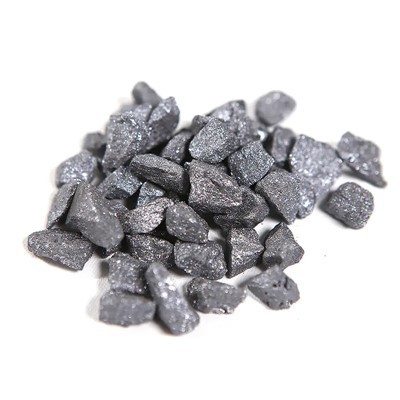
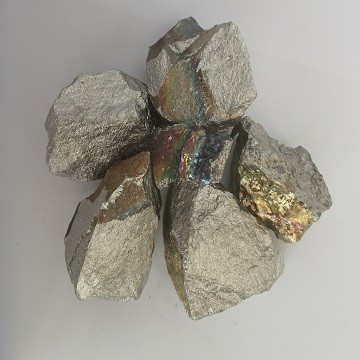
Silicon carbide (SiC) prices have experienced significant volatility in 2026, with sharp increases reported across major production regions . For buyers and procurement professionals, understanding the key drivers behind SiC pricing is essential for strategic sourcing. Below are the five most critical factors that influence silicon carbide prices in global markets. 📊

Energy Costs: The Largest Production Expense ⚡
Electricity is the single biggest cost driver in silicon carbide production. Manufacturing one ton of silicon carbide requires approximately 6,000 kWh of electricity in an electric resistance furnace . This energy-intensive process means that any fluctuation in power prices directly impacts SiC production costs.
In April 2026, China's core production regions-Gansu and Ningxia-saw electricity prices increase significantly. Gansu prices rose by approximately RMB 0.09 per kWh, while Ningxia increased by about RMB 0.07 per kWh . These increases directly translated into higher silicon carbide prices, with 90% grade reaching RMB 5,100–5,200 per ton and 98% high-purity grade reaching RMB 6,100–6,200 per ton .
For buyers, monitoring regional electricity pricing trends provides valuable insight into potential SiC price movements. Regions with unstable or rising power costs will likely see corresponding increases in silicon carbide prices.
Raw Material Costs: Petroleum Coke and Quartz Sand 🏭
Silicon carbide is produced from two primary raw materials: quartz sand and petroleum coke . The cost and availability of these inputs significantly influence final SiC pricing.
Petroleum coke is particularly important as both a carbon source and a cost driver. When petroleum coke prices increase, silicon carbide prices typically follow . In early 2026, petroleum coke prices at major ports reached approximately RMB 1,500 per ton, driven by global oil market fluctuations and geopolitical uncertainty .
Raw material quality also affects production economics. Lower-quality inputs reduce yield and increase waste, which pushes up the real production cost-even if the market price appears stable on the surface . This explains why silicon carbide from different sources can vary significantly in price despite similar nominal specifications.
Geopolitical Disruptions and Supply Chain Shocks 🌍
The first quarter of 2026 provided a dramatic illustration of how geopolitical events can disrupt silicon carbide markets. The Iran-US-Israel conflict that escalated in Q1 2026 left a clear mark on the silicon carbide sector .
The near-shutdown of the Strait of Hormuz-with vessel traffic falling from 138 per day to just 2 by March 5, 2026-disrupted specialty chemical and materials logistics critical to electronic component manufacturing . This supply chain disruption coincided with a defense electronics production surge, with the US arms industry quadrupling production in the three months before military operations .
The convergence of constrained supply and surging demand drove significant price pressure across silicon carbide markets. For buyers, this highlights the importance of supply chain diversification and inventory buffers to insulate against geopolitical shocks.
Demand from High-Growth End-Use Sectors 📈
Silicon carbide serves diverse end markets, and demand from any sector can influence pricing. The global silicon carbide market was valued at $3.1 billion in 2025 and is projected to reach $3.64 billion in 2026, growing at a rapid 17.4% CAGR .
Key demand drivers include:
- Electric vehicles (EVs) – Tesla's Model 3 and Model Y have driven large-scale SiC adoption, and by 2023, SiC penetration in pure electric passenger vehicles reached 25% . Models priced above RMB 200,000 are increasingly equipped with SiC devices as standard .
- Consumer electronics – The Japan Electronics and Information Technology Industries Association reported total electronic equipment production in Japan reached over ¥771 billion in May 2023, with SiC used for high-temperature resistance and efficient power management .
- Steel and refractories – SiC serves as a deoxidizing agent and refractory raw material, with thermal conductivity five times higher than fireclay refractories .
When multiple end-use sectors expand simultaneously, demand can outpace supply, driving price increases across all silicon carbide grades.
Trade Policies, Tariffs, and Supply Chain Regulations 📋
International trade policies significantly affect silicon carbide pricing by adding costs or restricting supply sources. Silicon carbide falls under HS Code 2849.20 for international trade classification .
Tariff structures vary by country and trade agreement:
- Under Japanese import regulations, general tariff rates for silicon carbide are 3.9%, while WTO rates are 3.3%
- Countries with Economic Partnership Agreements (EPAs) with Japan-including Singapore, Mexico, Chile, Thailand, Indonesia, and EU nations-enjoy duty-free silicon carbide imports
- Under RCEP agreements, imports from China and Korea face 1.5% tariffs
The 2025 U.S. tariff policies introduced profound uncertainty into the global economic landscape, with implications for silicon carbide competitive dynamics, regional economic interdependencies, and supply chain reconfigurations . Export controls also apply in certain jurisdictions under regulations such as the Export Trade Control Order .
For international buyers, understanding tariff structures and monitoring trade policy changes are essential for accurate cost forecasting and supplier selection.
✨ Silicon carbide pricing is shaped by a complex interplay of energy costs, raw material prices, geopolitical events, end-market demand, and trade policies. For buyers, staying informed about these factors enables better timing of purchases, smarter supplier selection, and more effective negotiation. As global demand for EVs, electronics, and energy-efficient power devices continues growing, silicon carbide prices are likely to remain under sustained upward pressure through 2030.