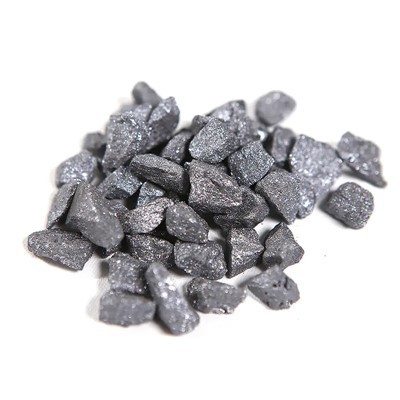
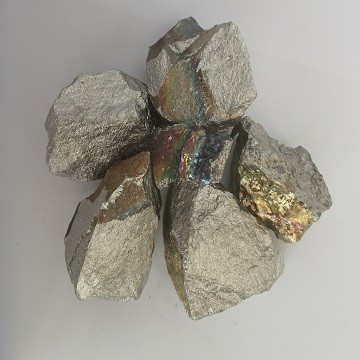
Silicon calcium, typically in the form of an alloy (CaSi), is a specialized composite material that plays a critical, though often overlooked, role in enhancing the properties of steel and other metals. Composed primarily of calcium (around 28–31%) and silicon (around 55–65%), this alloy is not typically a final product but a vital additive during secondary steelmaking processes.
Why is it so indispensable? The answer lies in its powerful deoxidizing and desulfurizing capabilities. When added to molten steel, calcium vaporizes and reacts aggressively with unwanted elements:
Deoxidation: It removes dissolved oxygen, forming stable calcium oxides that float out of the melt. This prevents the formation of brittle oxide inclusions in the final steel.
Desulfurization: Calcium reacts with sulfur to form calcium sulfide, which is also easily separated. This reduces "hot shortness" and improves the steel's toughness.
Inclusion Modification: Perhaps its most unique function is modifying harmful, elongated manganese sulfide inclusions into harmless, spherical calcium-aluminate inclusions. This significantly enhances the steel's machinability, ductility, and fatigue resistance.
Beyond steelmaking, silicon calcium is also used as an inoculant in cast iron production and as a reducing agent for smelting special metals like chromium and vanadium.

However, challenges remain. Can the industry balance high performance with cost-effective production? The manufacturing of silicon calcium is energy-intensive, requiring high-temperature electric arc furnaces. Furthermore, the alloy's high reactivity-it can decompose in moist air-demands strict packaging and storage, adding logistical costs.
So, as the demand for ultra-clean, high-strength steels for electric vehicles, wind turbines, and advanced pipelines grows, is silicon calcium ready to maintain its quiet but crucial status? Likely yes-but only if innovations in production efficiency and safer handling can keep pace with its rising global consumption.