Introduction
Silicon metal, also known as industrial silicon or metallurgical-grade silicon (MG-Si), is rarely noticed by consumers - yet it powers the modern world. From aluminum alloys to silicones, solar panels to semiconductors, this grey metallic material sits silently at the foundation of multiple billion-dollar industries. But what exactly is silicon metal, and why does its supply chain matter so much?
What Is Silicon Metal?
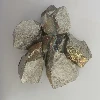
Silicon metal is a refined form of the element silicon (Si), typically 98–99.9% pure. It is produced by reducing quartz (SiO₂) with carbon materials (coal, charcoal, or wood chips) in submerged arc electric furnaces at temperatures exceeding 1,900°C. The output is a lustrous, grey, brittle solid - often supplied as lumps, granules, or powder.
Key Specifications & Grades
Silicon metal is classified primarily by its impurity levels, especially iron (Fe), aluminum (Al), and calcium (Ca). Common grades include:
| Grade | Typical Purity | Primary Applications |
|---|---|---|
| 553 | ~98.5% Si | Aluminum alloys, silicones |
| 441 | ~99.0% Si | Specialty alloys, chemical silicones |
| 3303 | ~99.3% Si | High-performance aluminum (automotive wheels) |
| 2202 | ~99.5% Si | Electronics-grade feedstock, semiconductors |
| 411 | ~99.4% Si | Polysilicon for solar PV |
*Note: The numbers refer to impurity limits (e.g., 553 = Fe 0.5%, Al 0.5%, Ca 0.3% max).*

Major Applications
1. Aluminum Alloys (≈40–45% of demand)
Silicon metal improves castability, strength, and wear resistance. Nearly every automotive engine block, wheel rim, and transmission housing contains 5–12% silicon.
2. Silicones (≈30%)
Reacting silicon metal with methyl chloride produces siloxanes - the base for sealants, lubricants, medical tubing, and personal care products (shampoos, lotions).
3. Polysilicon for Solar PV & Electronics (≈20%)
High-purity silicon (99.9999%+) is refined from MG-Si via the Siemens process. Solar panels and semiconductor wafers depend entirely on this upstream material.
4. Specialty Steels & Refractories
Small amounts are used as a deoxidizer and alloying element in electrical steels.
Global Production & Supply Chain Realities
Top producers: China dominates (>75% of global supply), primarily in Yunnan, Sichuan, Xinjiang, and Fujian provinces. Other producers include Brazil, Norway, France, and the USA.
Energy intensity: Producing 1 ton of silicon metal requires ≈12,000–14,000 kWh of electricity. Power costs account for 30–40% of total production cost.
Volatility drivers: Seasonal hydropower availability (China's rainy season = lower prices), environmental inspections, and carbon policy changes.
Why Procurement Professionals Care
Silicon metal is a critical raw material with limited substitutes. Supply disruptions in China directly impact aluminum casting plants, silicone manufacturers, and solar panel producers worldwide. Price swings of 50–100% within a single year are not uncommon.
Conclusion
Silicon metal may be invisible in final products, but its role is undeniable. Understanding its grades, applications, and supply chain drivers is essential for anyone in metals, chemicals, renewables, or automotive procurement. The next time you drive a car, seal a window, or install a solar panel - you've just touched silicon metal.