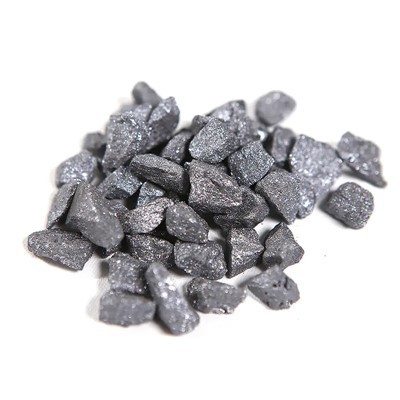
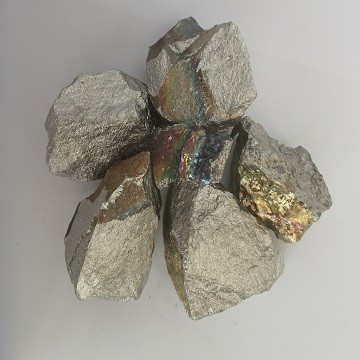
Silicon barium, a binary alloy composed primarily of silicon (Si) and barium (Ba), is a highly specialized yet critical material in the metallurgical industry, particularly in the production of high-quality steels and cast irons. While not as widely discussed as ferrosilicon or ferro manganese, silicon barium plays a unique, irreplaceable role in modifying non-metallic inclusions and improving the castability of molten metal.
The alloy typically contains 55–65% silicon and 4–6% barium, with the balance being iron and trace elements. Its primary function is as an efficient and powerful inoculant and modifier. When added to molten steel or cast iron, barium vaporizes at steelmaking temperatures due to its low boiling point (approximately 1,370°C). This controlled vaporization generates a vigorous stirring action, promoting the flotation of oxides and sulfides-impurities that degrade mechanical properties.

More importantly, silicon barium significantly alters the morphology of inclusions. Without treatment, sulfide inclusions (MnS) often form elongated, stringer-like shapes that reduce ductility and toughness. Barium modifies these into small, globular, and dispersed particles, which improve machinability without sacrificing mechanical strength. In ductile iron production, silicon barium helps control graphite nodule count and size, directly enhancing tensile strength and fatigue resistance.
Another key advantage lies in its deoxidation capability. Barium increases the activity of silicon, creating a more stable, long-lasting deoxidation effect compared to conventional ferrosilicon. This results in cleaner steel with fewer pinholes, porosity, and surface defects-critical for applications like automotive sheets, pipeline steel, and heavy forgings.
However, silicon barium must be handled carefully. Barium is reactive and hygroscopic; improper storage can lead to hydrogen pickup in molten metal. Despite this, its benefits outweigh precautions. With growing demand for ultra-low-carbon steels and high-performance castings, silicon barium remains a niche but vital tool for modern steelmakers seeking cleaner microstructures and superior mechanical properties. Without it, achieving the same level of inclusion control would require more complex and costly processing steps.