Cost-Effective Deoxidation Drives Adoption
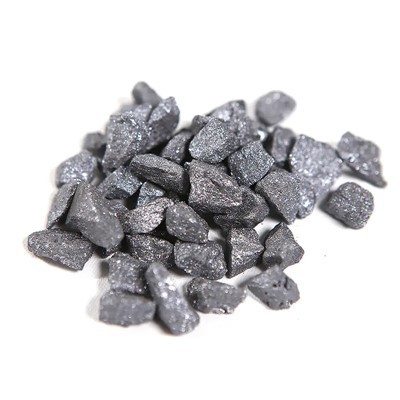
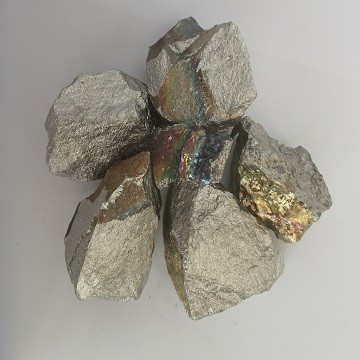
The primary advantage of silicon slag lies in its role as an economical alternative to pure silicon metal and ferrosilicon in steelmaking -1-7. With silicon content typically ranging from 45% to 70%, silicon slag offers comparable deoxidation performance at a fraction of the cost -1-7.
"Silicon slag is a by-product of silicon metal production, containing significant silicon content along with other elements like Fe, Al, and Ca that readily react with oxygen," explains a metallurgical industry source -7. "These characteristics make it an excellent deoxidizer, while the accompanying impurities are not harmful to liquid steel" -7.
Multiple Industrial Applications Expand Market Potential
Beyond steelmaking deoxidation, silicon slag serves diverse applications:
Substitute for Ferro Silicon: Enables significant production cost reduction in steel manufacturing -1
Silicon Briquette Production: Processed into silicon briquettes for broad domestic and international markets -1
Cement and Refractory Materials: Processed silicon slag finds application in cement production and ordinary firebrick manufacturing -7
White Carbon Black Production: After processing, silicon slag can be utilized in specialty chemical applications -7
Emerging High-Value Recycling Pathways
Recent research highlights advanced recycling opportunities for silicon waste, including metallurgical-grade silicon refining slag -5. Studies demonstrate that purified silicon waste can achieve purities above 99.8% through optimized refining processes -5.
The environmental benefits are substantial: recycling one ton of silicon waste saves approximately 8–10 MWh of energy and reduces CO₂ emissions by more than 5 tons compared to primary silicon production -5.

Construction Materials Sector Offers Significant Volume Potential
Academic research confirms silicon slag's value in construction applications. A comprehensive review published in Resources, Conservation and Recycling indicates that silico-manganese slag shows promise as both supplementary cementitious material and aggregate in Portland cement and geopolymer concrete -4.
The reactive components such as CaO and SiO₂ enhance the binding capability of cement gel, while studies report no leaching of toxic or heavy metals from the reacted binder matrix -4.
Market Dynamics and Future Outlook
China dominates silicon slag production and consumption, with major players including Baosteel Group and numerous specialized metallurgical material companies competing in the space -6-9. Recent market activity includes March 2026 silicon slag procurement tenders from Chinese industrial consumers, indicating sustained demand -8.
The market is segmented by silicon content (40%-60%, 60%-80%, and 80%-95%) and application (deoxidizer, crystallization purification, construction materials) -9. As steel producers worldwide seek cost optimization strategies, silicon slag's dual value proposition-operational efficiency and sustainability benefits-positions it for continued market expansion throughout 2026 and beyond.