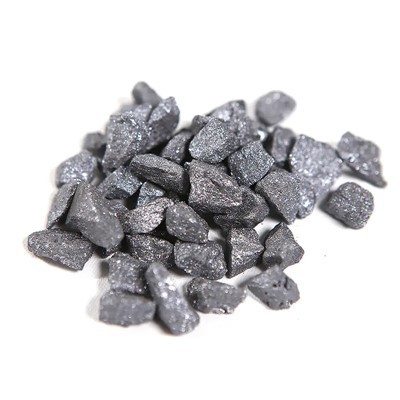
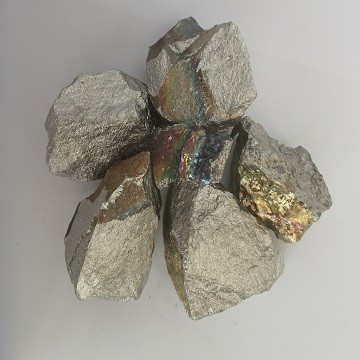
Silicon metal, a high-purity metallurgical material typically containing 98.5% to 99.99% silicon, serves as a foundational raw material across multiple industrial sectors. Its unique combination of semiconductor properties, thermal stability, and alloying characteristics makes it indispensable for modern manufacturing. Understanding the main applications of silicon metal provides essential insight into its critical role in the global economy.

Primary Classification: Metallurgical Grade vs. Chemical Grade
The most fundamental distinction in silicon metal quality specifications is the division between metallurgical grade and chemical grade . These two broad categories serve entirely different downstream applications and therefore maintain different purity requirements.
Metallurgical grade silicon metal typically contains 98-99% silicon and is primarily used as an additive in aluminum alloys and the production of silicones . This grade prioritizes cost-effectiveness and specific performance characteristics in metal alloys over absolute purity.
Chemical grade silicon metal demands higher purity levels, often exceeding 99.5% silicon, and serves as the raw material for manufacturing silicones, silanes, and ultimately semiconductor-grade silicon . The more stringent specifications for chemical grade reflect its role in sophisticated chemical synthesis where impurities could affect reaction pathways or final product quality.
Industry standards such as ASTM A922 provide formal specifications for different grades of silicon metal, outlining the chemical composition requirements that producers must meet.
National Standard Classification Systems
Different countries maintain their own standardized classification systems for silicon metal grades. China's GB/T 2881 standard, most recently updated in 2023, provides a comprehensive framework for industrial silicon metal classification .
Under the previous GB/T 2881-91 standard, silicon metal was divided into five distinct grades based on minimum silicon content and maximum allowable impurities :
- Grade A: Silicon content >99.3%, with maximum impurities of Fe ≤0.4%, Al ≤0.2%, Ca ≤0.1%
- Grade B: Silicon content >99.0%, with maximum impurities of Fe ≤0.5%, Al ≤0.3%, Ca ≤0.2%
- Grade 1: Silicon content >98.5%, with maximum impurities of Fe ≤0.6%, Ca ≤0.3% (aluminum reported but not restricted)
- Grade 2: Silicon content >98.0%, with maximum impurities of Fe ≤0.7%, Ca ≤0.5% (aluminum reported but not restricted)
- Grade 3: Silicon content >97.0%, with maximum impurities of Fe ≤1.0%, Ca ≤1.0% (aluminum reported but not restricted)
Notably, the specification defines silicon content indirectly-calculated as 100% minus the sum of iron, aluminum, and calcium impurities-reflecting industry practice of focusing on the primary impurity elements
International Grade Designations: The "553, 441, 3303" System
Beyond formal standards, the silicon metal industry commonly uses an intuitive shorthand designation system where three numbers represent typical maximum impurity levels. According to industry practice, silicon metal grades such as 553, 441, 411, 421, and 3303 are widely recognized in global trade .
In this system:
- 553 grade: Typically indicates Fe ≤0.5%, Al ≤0.5%, Ca ≤0.3%
- 441 grade: Typically indicates Fe ≤0.4%, Al ≤0.4%, Ca ≤0.1%
- 421 grade: Typically indicates Fe ≤0.4%, Al ≤0.2%, Ca ≤0.1%
- 3303 grade: Typically indicates Fe ≤0.3%, Al ≤0.3%, Ca ≤0.03%
These designations provide immediate insight into the purity profile of a given silicon metal lot and allow buyers to quickly match material to application requirements. For aluminum alloy production, where silicon metal serves as a hardening additive, grades with slightly higher impurity tolerances may be acceptable. For chemical applications, tighter specifications become essential.
Impurity Elements and Their Limits
The quality specifications for silicon metal grades focus on a handful of critical impurity elements that most significantly affect performance. ASTM test methods E360 outline the analytical procedures for verifying these elements .
Iron (Fe) is almost always the most abundant impurity in silicon metal. Depending on grade, maximum iron content may range from 0.3% to 1.0% . In aluminum alloying applications, iron content must be controlled as it can form brittle intermetallic compounds that reduce ductility.
Aluminum (Al) serves both as an impurity and, in some contexts, a desirable alloying element when the silicon metal is destined for aluminum production. Premium grades restrict aluminum to 0.2% or less .
Calcium (Ca) receives particular attention because it affects slag formation during melting and can influence the reactivity of silicon metal in chemical applications. Ultra-pure grades may specify calcium below 0.03% .
Additional elements including titanium, phosphorus, carbon, and sulfur may be specified for certain applications, with test methods available to verify compliance.
Physical Specifications: Size and Appearance
Quality specifications for silicon metal extend beyond chemical composition to include physical characteristics that affect handling, melting, and end-use performance.
Particle size distribution is a critical quality parameter. Under GB/T 2881, standard silicon metal is specified at 6-200mm, with the total of undersize and oversize material not exceeding 10% . Different applications may require customized sizing-for example, foundry applications often prefer specific size ranges to optimize dissolution rates and minimize oxidation losses.
Appearance requirements mandate that silicon metal surface and fracture surfaces be clean, free from adhering slag, soil, powdered silicon, or other foreign materials introduced during production . This specification ensures that the material delivered matches the chemical analysis and performs predictably in downstream processes.
Conclusion
The quality specifications that define different silicon metal grades encompass chemical purity, impurity limits, physical characteristics, and compliance with recognized standards. Whether classified under national standards like GB/T 2881, international specifications like ASTM A922, or commercial designations such as 553 and 441, these parameters ensure that silicon metal buyers receive material appropriate for their specific applications-whether adding strength to aluminum alloys, serving as feedstock for silicone production, or enabling semiconductor manufacturing. Understanding these specifications enables informed purchasing decisions and optimal utilization of this versatile industrial material.