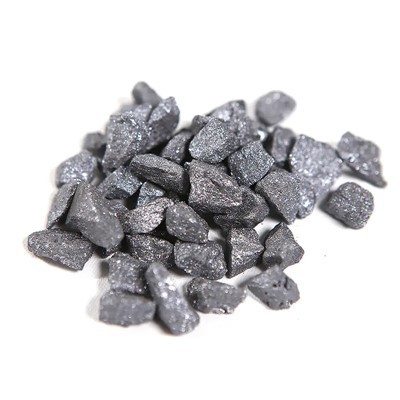
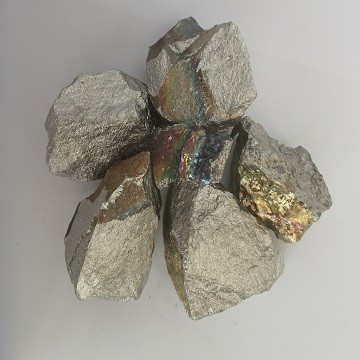
In the metallurgical and chemical industries, silicon metal is a critical raw material, and its specification is the cornerstone of process stability. While many buyers focus solely on silicon purity, the key to consistent melting performance lies in the precise control of impurities, particularly iron (Fe), aluminum (Al), and calcium (Ca). The classification system for silicon metal-such as the widely recognized 553, 441, and 3303 grades-is based directly on the maximum content of these three elements .
The primary challenge with inconsistent melting performance arises from the "cumulative" and "reactive" nature of impurities. For example, high levels of iron can form hard, brittle intermetallic phases in aluminum alloys, affecting fluidity and final mechanical properties. Aluminum influences the alloy's fluidity, while calcium acts as a reactive element that can affect the chemistry of the slag and the overall reduction process. An inconsistency in any of these variables will force operators to adjust their recipes or furnace parameters, leading to process drift and increased costs.
Practical Selection Criteria
For applications demanding a high degree of process stability, such as the production of silicones or high-performance aluminum alloys, Grade 441 (Silicon ≥99.0%, Fe ≤0.4%, Al ≤0.4%, Ca ≤0.1%) is considered a baseline standard . However, if the budget permits, moving to Grade 331 (Silicon ≥99.0%, Fe ≤0.3%, Al ≤0.3%, Ca ≤0.1%) offers a "sweet spot" for consistency. Compared to 441, the tighter control on iron and aluminum minimizes the risk of catalyst poisoning in chemical reactions and reduces the formation of brittle phases in castings, making the melt more predictable.
For applications where consistency is paramount and cost is secondary, Grade 2202 (Silicon ≥99.5%, Fe ≤0.2%, Al ≤0.2%, Ca ≤0.02%) or even high-purity 1515 grades are recommended. These are often used in specialized alloys or chemical processes where the tolerance for variability is minimal .
It is important to note that "higher grade" silicon metal (like 2202) can be sold down for use in lower-grade applications to ensure uniformity. In practice, the type and level of impurities are the principal factor determining performance, and many customers prefer to use a consistently "tight" specification rather than a cheaper but variable one .

The Importance of Physical Form
While chemical composition is critical, physical consistency is equally important for melting performance. Variations in lump size can affect the surface area and the rate at which the silicon dissolves into the melt. Most commercial specifications involve lump sizes (e.g., 10-100mm) that are standardized to ensure feeding uniformity and minimize oxidation losses. However, depending on your furnace and specific application, selecting a grade that is available in consistent physical dimensions is essential for predictable performance .
In conclusion, the ideal specification for consistent performance is Grade 331 for its cost-effective balance of purity and stability, with Grade 441 as a minimum threshold. Always prioritize low and tightly controlled impurity limits over the nominal silicon percentage alone, and ensure the physical size is suitable for your specific handling and smelting equipment.
📧E-mail: goldenltd.silicon@gmail.com 📞WhatsApp: 86 16663721147