Why Is Ferro Silicon Barium the Preferred Inoculant for Modern Foundries?
In the competitive world of metal casting, the pursuit of flawlessness is a constant challenge. Foundries consistently face the dilemma of producing high-quality castings with complex shapes while managing costs and ensuring machinability. Among the arsenal of tools available to the foundryman, inoculation stands out as a critical process. While standard ferrosilicon has long been a staple, the emergence and widespread adoption of ferro silicon barium (FeSiBa) have marked a significant advancement in inoculation technology. The key question is: what makes this specific inoculant so uniquely effective?
The Core Mechanisms of FeSiBa
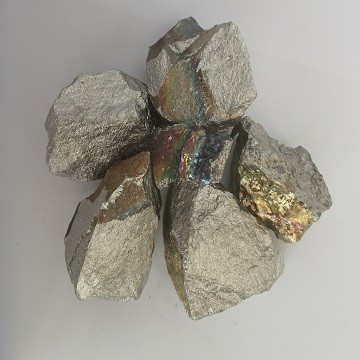
Ferro silicon barium is a master alloy primarily composed of silicon, iron, and a carefully controlled percentage of barium, often in combination with calcium and aluminum. Its primary function is to introduce artificial nucleation sites into molten iron, which promotes the formation of Type A flake graphite in gray iron and improves nodule count in ductile iron.
What sets FeSiBa apart is the synergistic effect of its constituent elements. While standard silicon-based inoculants are effective, barium provides several distinct advantages:
Powerful Chill Reduction: Barium is a potent carbide suppressor. It significantly reduces the formation of hard, brittle carbides (chill) at casting surfaces and thin sections, ensuring a more uniform structure throughout the casting. This eliminates the need for costly heat treatments and improves overall casting soundness.
Superior Anti-Fading Properties: A common challenge with inoculants is "fading"-the loss of inoculation effect over time as nucleation sites dissolve or float out of the melt. FeSiBa inoculants exhibit remarkable recession resistance, meaning their graphite nucleation effect lasts longer, providing the foundryman with a wider processing window for pouring large or complex moulds.
Reduced Section Sensitivity: This feature ensures that the microstructure is consistent regardless of variations in casting wall thickness. Thick and thin sections within the same casting cool at different rates, but FeSiBa helps mitigate the formation of undesired microstructures in both areas.

Composition and Application
The performance of ferro silicon barium is highly dependent on its precise chemical composition. Barium content can vary significantly depending on the application. Common grades range from 2-4% barium in low-barium alloys to 20-30% in high-barium formulations. For instance, a typical grade like FeSiBa4-6 contains 4-6% Ba and 70% Si, while higher-barium grades like FeSiBa30Si35 contain 30% Ba and 35% Si. Calcium is also a critical component, typically present at 1-2%, working alongside barium to enhance the chilling control effect.
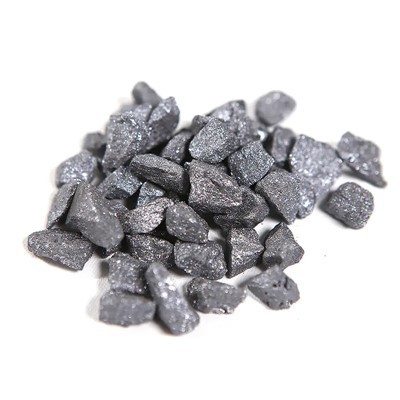
The alloy is generally supplied in granular form, with particle sizes tailored for different inoculation methods. For example, 0.1-0.5 mm material is designated for late-stream inoculation, while larger sizes are for ladle addition.
Conclusion: A Strategic Choice
For the modern foundry, ferro silicon barium is more than just an inoculant; it is a strategic tool for quality and process control. By effectively reducing chill, providing lasting inoculation effects, and increasing machinability, FeSiBa plays a vital role in producing reliable, high-performance castings from the automotive industry to heavy machinery. Its ability to deliver consistent results under varying production conditions makes it the preferred choice for foundries aiming for the highest quality standards.
📧E-mail: goldenltd.silicon@gmail.com 📞WhatsApp: 86 16663721147