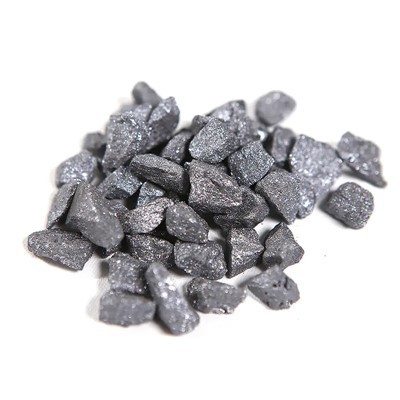
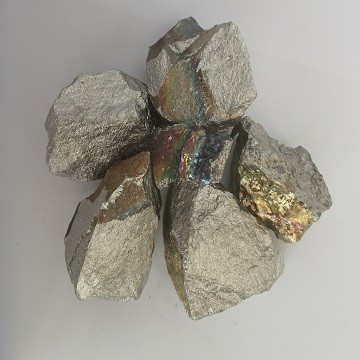
Understanding the Difference Between HC Si and Standard FeSi in Steelmaking
In the metallurgical industry, selecting the right ferroalloy is critical for balancing cost, efficiency, and steel quality. Two common materials used for deoxidation and alloying are High Carbon Silicon (HC Si) and standard Ferrosilicon (FeSi). While both serve as sources of silicon, they are fundamentally different products designed for distinct applications. Understanding these differences is key to optimizing the steelmaking process.
Compositional Fundamentals
The primary distinction lies in their chemical composition and functional roles. Standard ferrosilicon, typically FeSi75, is an alloy of iron and silicon containing approximately 72-75% silicon with very low carbon content, usually below 0.1% . It is primarily valued for its high-purity silicon contribution.
In contrast, High Carbon Silicon (often referred to as a silicon-carbon alloy) typically contains 55-70% silicon and a significant carbon content of 10-25% . This material is characterized by its dual-function capability; it acts as both a deoxidizer and a carburizing agent simultaneously . Rather than being a strict iron alloy, HC Si is often manufactured using a different process that retains higher carbon levels, making it a distinct product from traditional high-carbon ferrosilicon, which usually contains less than 2% carbon .

Economic and Operational Advantages
The decision to use HC Si is largely driven by economics and process streamlining. HC Si is significantly cheaper per metric ton than standard FeSi75 . Although its silicon content is slightly lower, the presence of valuable carbon creates a superior value proposition when calculating the cost per unit of effective element added (Si + C) .
Furthermore, because it provides both silicon and carbon in a single addition, HC Si can eliminate the need for separate additions of expensive recarburizers. This streamlining reduces material costs, simplifies logistics, and saves time in the furnace . The exothermic reaction during its dissolution can also contribute to slight thermal savings, improving overall furnace efficiency .
Application Boundaries
Despite its cost benefits, HC Si is not a direct replacement for standard FeSi in all applications. Standard FeSi remains essential for steel grades that require precise control over carbon content, such as low-carbon steels, electrical steels, and high-end alloy structural steels where carbon is considered an impurity .
HC Si is best suited for steel grades where mid-range silicon content and controlled carbon addition are acceptable or desired, such as certain structural steels, wire rods, and rebar . Additionally, HC Si is highly effective in improving slag fluidity and enhancing the desulfurization process in the furnace .
In summary, while standard FeSi offers high-purity silicon for critical applications, HC Si provides a cost-effective, multifunctional alternative that delivers economic and operational savings for a wide range of general steelmaking requirements. The choice between them must be guided by both cost considerations and the specific metallurgical quality demanded by the final steel product.
📧E-mail: goldenltd.silicon@gmail.com 📞WhatsApp: 86 16663721147