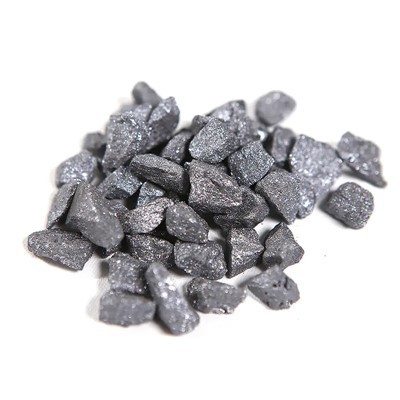
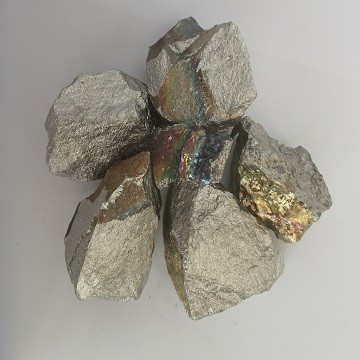
Silicon metal, also known as industrial silicon or metallurgical silicon, is the commercially produced, relatively pure form of elemental silicon. It typically has a purity of 98% to 99.5% , with the remaining percentage consisting of impurities such as iron, aluminum, and calcium. It is produced by reducing quartz (SiO₂) with carbon materials like coal, charcoal, or petroleum coke in a submerged electric arc furnace. This process consumes a tremendous amount of electricity-approximately 12,000 to 14,000 kWh per ton of silicon metal.
The product is delivered as gray, metallic-looking lumps, typically sized between 10mm and 100mm. Its primary applications are industrial:
As an alloying agent in aluminum casting (improving strength and castability)
As a raw material for producing silicones, silanes, and other chemical compounds
As a base material for refining into higher-purity silicon for electronics and solar cells

Crystalline Silicon
Crystalline silicon is a different grade of the same element. It refers to silicon that has been refined to extremely high purity levels-typically 99.9999% (6N) to 99.9999999% (9N) or even higher. This refinement is achieved through complex chemical processes such as the Siemens process or fluidized bed reactor technology, starting from silicon metal.
Once purified, crystalline silicon is melted and grown into large, single-crystal ingots (using the Czochralski method) or multi-crystalline blocks. These are then sliced into thin wafers. Crystalline silicon is the fundamental material used in:
Semiconductor devices (chips, CPUs, memory)
Solar photovoltaic cells
Key Differences Summarized
| Aspect | Silicon Metal / Industrial Silicon | Crystalline Silicon |
|---|---|---|
| Purity | 98% – 99.5% | 99.9999% – 99.9999999% (6N to 9N) |
| Production | Carbothermic reduction of quartz in arc furnace | Chemical refining of silicon metal (Siemens process, etc.) |
| Appearance | Gray lumps, metallic luster | Shiny, mirror-like ingots or thin wafers |
| Cost | Low (approximately $2,000–$3,000 per ton) | Very high (thousands of dollars per kilogram) |
| Primary Use | Alloying, silicones, base for refining | Semiconductors, solar cells |
Silicon metal and industrial silicon are the same product-the raw, 98-99.5% pure material used for bulk industrial purposes. Crystalline silicon is a much higher-purity, much more expensive derivative of silicon metal, specifically manufactured for electronics and photovoltaic applications.