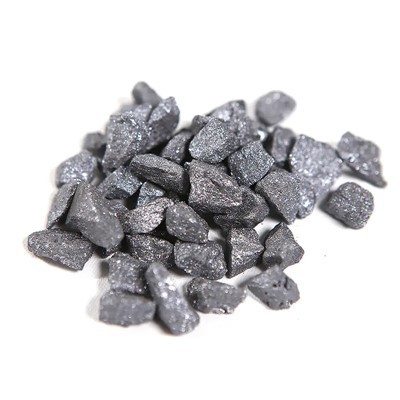
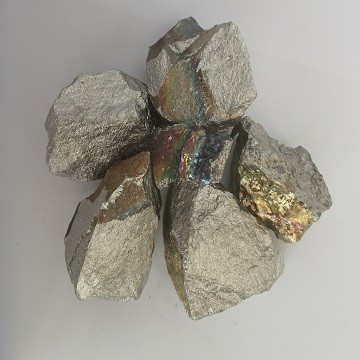
What is Silica Metal?
Silica metal, more commonly referred to as silicon metal, is a refined form of silicon produced through the reduction of high-purity quartz in electric arc furnaces. The final product typically contains 98% to 99.999% silicon, depending on the grade and intended application. Silicon metal is one of the most important fundamental materials supporting modern metallurgy, electronics, chemical engineering, and high-tech manufacturing.
Although silicon is the second most abundant element in the earth's crust, it does not exist in its pure metallic form in nature. Instead, it is found mainly as silica (SiO₂) in sand, quartz, and rock. To obtain silicon metal, quartz and carbon reductants such as petroleum coke, coal, or wood chips are heated to extremely high temperatures-often above 1,600°C-in submerged arc furnaces. Through chemical reduction, oxygen is removed from the silica, leaving behind crystallized silicon metal.
Characteristics and Properties
Silicon metal has several physical and chemical characteristics that make it indispensable to multiple industries:
High silicon purity
Enables excellent alloying performance and superior chemical stability.
Low thermal expansion coefficient
Ensures strong heat resistance, especially in metal casting and high-temperature processes.
Outstanding electrical properties
Makes silicon the backbone material of the semiconductor industry.
Good anti-corrosion performance
Silicon remains stable in a wide range of environments and chemical reagents.
Main Grades of Silicon Metal
Silicon metal is generally categorized based on its impurity content, especially Fe, Al, and Ca. The most common commercial grades include:
Si 553
Si 441
Si 3303
Si 2202
High-purity silicon (Solar grade and Electronic grade)
Lower impurity levels mean higher quality and a broader application range.
Applications of Silicon Metal
Silicon metal is used in a wide range of industries, and its demand continues to grow due to the expansion of global steelmaking, aluminum production, and clean energy technologies.
1. Aluminum Alloy Industry
The largest consumption sector of silicon metal is the aluminum industry. Silicon is added into aluminum to improve:
Strength and hardness
Casting performance
Wear resistance
Heat resistance
Typical applications include automotive parts, aerospace components, and construction materials.
2. Chemical Industry
Silicon metal is the core raw material for producing silicones, a versatile family of polymer compounds. Silicone products are widely used in:
Lubricants and sealants
Waterproofing and insulation materials
Cosmetics and medical equipment
Household products and electronics
3. Semiconductors and Solar Industry
High-purity silicon is essential for:
Semiconductor wafer manufacturing
Solar photovoltaic cells
Integrated circuits and microchips
The rapid growth of renewable energy and digital technology has significantly increased the global consumption of high-purity silicon metal.
4. Cast Iron and Steelmaking
Silicon metal serves as a deoxidizer and alloying agent to enhance:
Fluidity of molten iron
Mechanical strength
Density and micro-structure stability
It also reduces impurities during steel refining and improves final product quality.

Global Market Demand
Driven by the automotive industry, clean energy transition, and electronics development, the global silicon metal market continues to expand. Asia-Pacific remains the most active consumption region, especially China, Japan, South Korea, and India. Meanwhile, Europe and North America show strong demand for high-purity silicon used in solar and semiconductor applications.
Conclusion
Silicon metal is far more than a metallurgical additive; it is a strategic industrial material powering today's modern technology. From aluminum alloys and chemical materials to photovoltaic solar cells and semiconductor chips, silicon metal plays a crucial role in technological progress and global industrial development. With the continuous growth of high-tech manufacturing and renewable energy, the importance of silicon metal in global supply chains will only become more significant in the coming years.