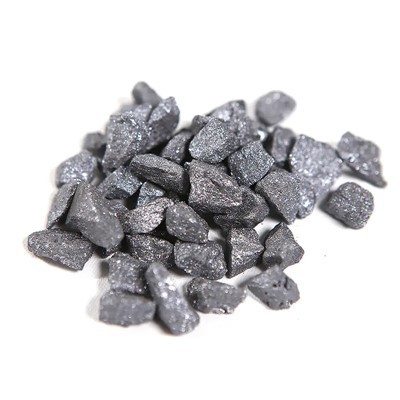
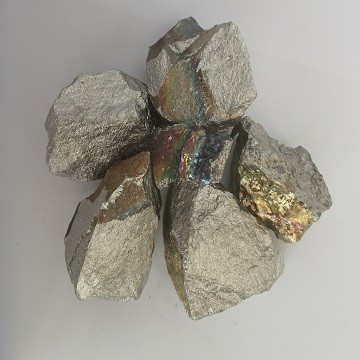
Silicon-carbon alloy, often referred to as Si-C alloy or silicon-carbon ferroalloy, is a cost-effective alternative to conventional ferroalloys like ferrosilicon (FeSi) and calcium carbide in steelmaking. Despite its growing acceptance in modern metallurgy, many industry professionals still confuse it with low-grade ferrosilicon or coke. This article clarifies its composition, production, and unique advantages.
Composition and Production
Silicon-carbon alloy is typically produced by smelting quartzite, petroleum coke, and a carbonaceous reducing agent (such as semi-coke or anthracite) in a submerged arc furnace. The resulting product contains approximately 55–70% silicon and 10–25% carbon, with iron making up the balance. Unlike ferrosilicon (which can have 75% Si but almost no free carbon), Si-C alloy retains a significant amount of fixed carbon. This combination fundamentally alters its behavior in liquid steel.
Key Functional Differences
Dual Deoxidation and Carburization – Ferrosilicon primarily supplies silicon for deoxidation. Silicon-carbon alloy, however, delivers both silicon and reactive carbon. The carbon partially dissolves into the molten steel, reducing the need for separate carburizers (e.g., graphite or anthracite). One ton of Si-C alloy can replace roughly 0.6 tons of FeSi75 plus 0.25 tons of carburizer, lowering overall alloy costs by 15–25%.
Slag Chemistry and Energy Savings – When Si-C alloy is added, the silicon oxidizes to SiO₂, while the carbon forms CO gas. This exothermic reaction produces more heat than pure silicon oxidation, accelerating scrap melting and reducing oxygen blowing time in BOF (basic oxygen furnace) and EAF (electric arc furnace) processes.
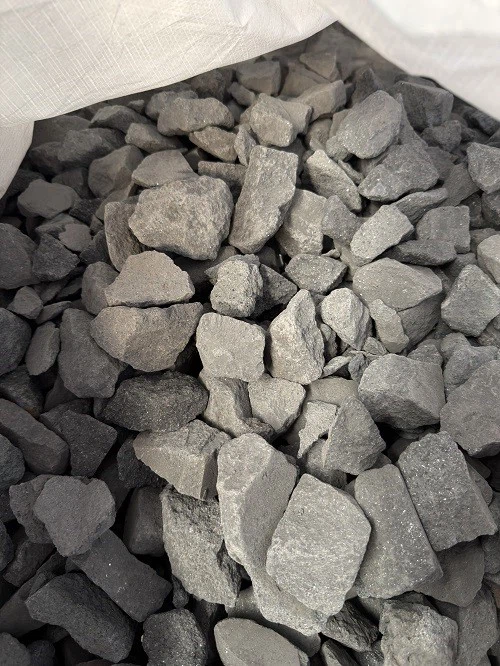
Reduced Aluminum Dependence – Ferrosilicon often requires aluminum for strong deoxidation. Silicon-carbon alloy's carbon-silicon synergistic effect achieves comparable oxygen removal with lower aluminum consumption, minimizing alumina inclusions that clog casting nozzles.
Limitations
Si-C alloy is not a universal substitute. It has lower silicon content than FeSi75, meaning more weight must be added per unit of silicon. Also, the high carbon makes it unsuitable for low-carbon or ultra-low-carbon steel grades (e.g., interstitial-free steel for automotive bodies). For such applications, traditional ferrosilicon remains necessary.
Conclusion
Silicon-carbon alloy is not simply "impure ferrosilicon" but a purpose-designed product for general-grade carbon steels, rebar, and foundry irons. Its ability to combine deoxidation and carburization in one addition cuts production costs and energy use. As steel margins tighten, understanding these differences helps metallurgists optimize their alloy mix without compromising quality.