When industry discussions turn to advanced materials, silicon and magnesium are often celebrated separately-silicon for electronics, magnesium for lightweight alloys. Yet their combination, silicon magnesium (Si-Mg) , plays a quietly indispensable role in heavy industry, particularly in producing ductile iron. So what makes this alloy so critical?
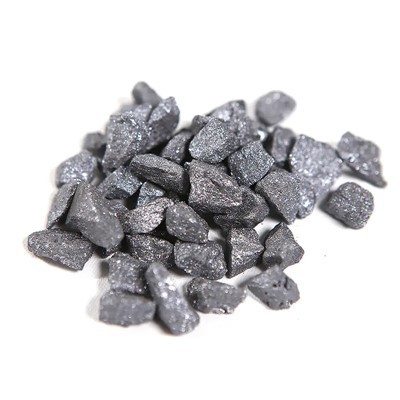
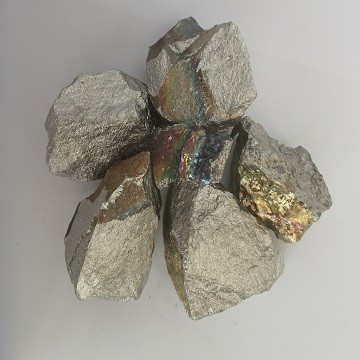
Silicon magnesium is not a natural mineral but a master alloy, typically containing 45–55% silicon and 5–20% magnesium, with iron as the balance. Its primary function lies in nodularizing cast iron. In traditional gray cast iron, graphite exists as flakes, which can act as stress raisers, making the metal brittle. Adding silicon magnesium during the molten stage transforms those flakes into compact, spherical graphite nodules. This change increases ductility-the ability to stretch under tension-by up to 20 times compared to standard cast iron, while maintaining excellent corrosion and wear resistance.
Beyond nodularization, silicon plays a supporting role. It promotes graphitization, prevents carbides from forming, and improves fluidity of the melt, allowing complex shapes to be cast with fewer defects. Magnesium, meanwhile, acts as the primary spheroidizing agent, reacting with sulfur and oxygen to purify the melt.
The practical impact is enormous. Ductile iron pipes made using Si-Mg treatment supply water to cities worldwide without cracking under pressure. Automotive crankshafts, heavy truck knuckles, and wind turbine hubs rely on Si-Mg-inoculated iron for strength and fatigue resistance. Even underground mining equipment and railway brake components owe their toughness to this alloy.

However, silicon magnesium comes with challenges. Magnesium's low boiling point (1090°C) means it vaporizes violently when added to molten iron (1400–1500°C), requiring specialized ladle or wire-feeding techniques. The reaction also produces bright flames and magnesium oxide fumes, demanding proper fume extraction and personal protective equipment. Additionally, over-treatment can cause "exploded graphite" or dross defects, so precise dosing is essential.
Looking ahead, as industries push for lighter yet stronger components, Si-Mg alloys are gaining attention beyond traditional foundries. Research is exploring its use in magnesium-based composites for aerospace and battery housings, where silicon improves high-temperature creep resistance.
So, while lithium and graphene capture headlines, silicon magnesium works silently behind the scenes-transforming brittle iron into a material strong enough to hold up our bridges, pipes, and engines. It may not be glamorous, but it is truly an unsung hero of modern metallurgy.