1. What Is Metallic Silicon?
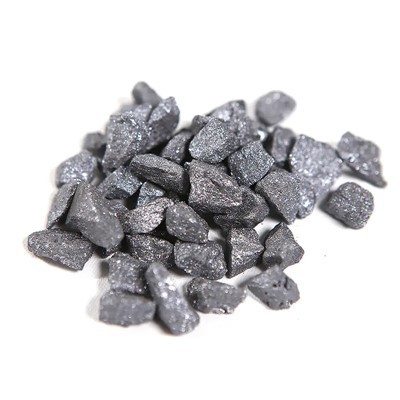
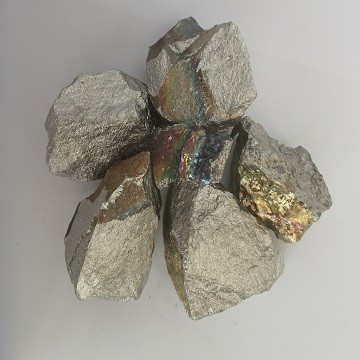
Metallic silicon is a grey, lustrous semi-metallic material with a purity of approximately 98–99.5% silicon (Si). Unlike high-purity silicon used in semiconductors (99.9999% pure), metallic silicon contains trace amounts of iron, aluminum, calcium, and other elements. It is produced by reducing silicon dioxide (SiO₂), primarily found in quartz or silica, with carbon-based materials in an electric arc furnace.
2. How Is It Produced?
The production of metallic silicon is energy-intensive and follows these key steps:
Raw Material Preparation: Quartz (SiO₂) is crushed and mixed with carbon reductants such as coal, charcoal, or petroleum coke.
Smelting: The mixture is heated to over 2,000°C in a submerged electric arc furnace. The carbon reacts with oxygen in the quartz, producing molten silicon and carbon monoxide (CO):
SiO2+2C→Si+2COSiO2+2C→Si+2CO
Tapping and Refining: The molten silicon is tapped from the furnace, then cooled and crushed. Further refining removes impurities like aluminum and calcium through oxygen or chlorine gas injection.
Granulation: The final product is sized into lump, granular, or powdered forms for different industrial uses.

3. Why Is It So Important in Modern Industry?
Metallic silicon's versatility stems from three core properties: high affinity for oxygen (acting as a deoxidizer), excellent electrical conductivity, and the ability to form strong, lightweight alloys. Below are its primary applications:
| Industry | Role of Metallic Silicon | Example |
|---|---|---|
| Aluminum Alloys (≈50% of total consumption) | As a hardening agent to improve strength, castability, and corrosion resistance | Engine blocks, wheels, and aerospace components |
| Silicones & Polymers (≈30%) | Converted into siloxanes via methyl chloride; used as lubricants, sealants, and insulating materials | Medical tubing, cooking utensils, and construction sealants |
| Steelmaking (≈10%) | Deoxidizer to remove oxygen from molten steel, preventing porosity | Structural steel, railway tracks |
| Electronics & Solar (special grades) | Refined into hyperpure silicon for semiconductors and photovoltaic cells | Computer chips, solar panels |
4. Are There Challenges in Its Production and Use?
Yes, three major challenges shape the metallic silicon industry:
Energy Intensity: Producing one ton of metallic silicon requires about 12,000–13,000 kWh of electricity, making it a carbon-intensive process. China, Norway, Brazil, and the US are leading producers, often locating smelters near cheap hydroelectric power.
Environmental Impact: Emissions of CO₂, SO₂, and silica dust require strict filtration. Closed-furnace technologies and carbon capture are emerging solutions.
Market Volatility: Prices fluctuate with energy costs, availability of quartz, and demand from downstream sectors (especially aluminum and solar).
5. What Does the Future Hold?
Demand for metallic silicon is projected to grow at 4–5% annually, driven by:
Electric vehicles (EVs): Lighter aluminum-silicon alloys for battery enclosures and chassis.
Renewable energy: Solar-grade silicon (refined from metallic silicon) remains the backbone of photovoltaic panels.
5G and IoT: Silicone-based thermal interface materials for electronic cooling.
However, the industry is shifting toward low-carbon "green silicon" produced with hydropower, recycled silicon scrap, or bio-based carbon reductants (e.g., charcoal from managed forests).
Conclusion
Metallic silicon is indispensable because it sits at the intersection of metallurgy, chemistry, and electronics. Without it, we would lose lightweight aluminum alloys, silicone rubber, affordable steel, and the foundation of the solar revolution. Its unique ability to transform from a simple deoxidizer into a high-tech semiconductor precursor makes it a true "industrial silicon" – a material as fundamental to modern life as steel or plastic, yet far less recognized.