1. Economic Efficiency (Cost Reduction)
The primary driver for using silicon briquettes is cost. Ferrosilicon is produced through an energy-intensive carbothermic reduction process in submerged arc furnaces, requiring high-grade quartz, iron sources, and substantial electricity (around 8,000–10,000 kWh per ton). In contrast, silicon briquettes are recycled from industrial by-products. This requires minimal energy and raw material extraction, making their market price 20–40% lower than that of standard ferrosilicon (e.g., FeSi 75). For large-scale steel mills, substituting 10–20% of ferrosilicon with briquettes translates into millions of dollars in annual savings.
2. Comparable Metallurgical Performance
Silicon briquettes typically contain 45–65% silicon (Si), along with small amounts of aluminum, calcium, and carbon. In the ladle furnace or during tapping, they perform three critical functions:
Deoxidation: Silicon has a strong affinity for oxygen. The briquettes rapidly reduce dissolved oxygen in molten steel, forming SiO₂ slag and preventing pinholes or inclusions.
Alloying: The silicon content effectively increases the strength, hardness, and magnetic properties of the final steel.
Heat Generation: The oxidation of silicon is exothermic, helping maintain bath temperature.
While they are not a 1:1 substitute for high-grade FeSi 75 (75% Si), they are ideal for semi-killed or rimmed steels, and for applications where ultra-low residuals are not critical.
3. Environmental and Recycling Benefits
Silicon briquettes transform a waste problem into a resource. Silicon sludge and fines from wafer cutting or crushing operations are difficult to handle-they oxidize easily, are dusty, and can leach into landfills. Briquetting encapsulates these fines, preventing dust generation during transport and feeding. By using briquettes, mills:
Reduce landfill waste.
Lower their carbon footprint (recycled material vs. virgin production).
Avoid the "fines penalty" charged by ferrosilicon suppliers (fines often cost less but can be lost to baghouse filters).

4. Operational Advantages
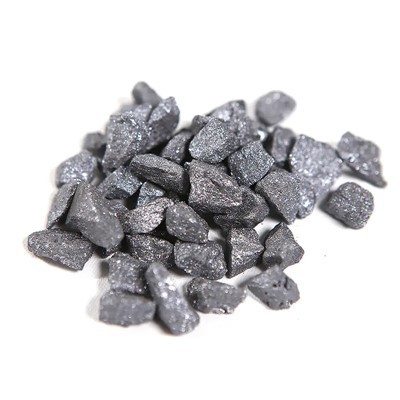
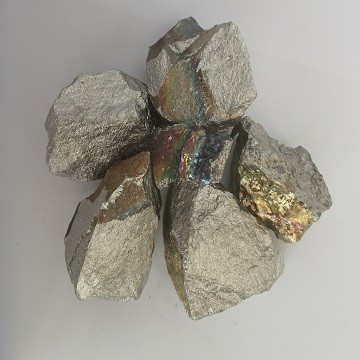
Uniformity: Briquettes have consistent size (typically 20–50 mm pillow or oval shapes), which improves dissolution and prevents segregation in the ladle.
Safety & Handling: Unlike loose powder or fines, briquettes are dust-free, reducing explosion risks and material loss during pneumatic conveying.
Adjustable Chemistry: Manufacturers can tailor briquettes (e.g., Si-Ca, Si-C briquettes) to target specific steel grades or slag conditions.
Limitations to Consider
No product is perfect. Silicon briquettes have:
Lower bulk density than ferrosilicon, requiring slightly larger storage volumes.
Higher impurity levels (especially Al₂O₃ and P) in some recycled sources, making them unsuitable for high-purity steels like electrical steel or automotive exposed panels.
Variable quality if sourced from unregulated suppliers-strict binder and chemical analysis is essential.
Conclusion
Yes, silicon briquettes are a proven, economical, and environmentally sound substitute for a portion of ferrosilicon in carbon steel and low-alloy steel production. They do not fully replace high-grade FeSi for premium applications, but for bulk steelmaking (rebar, structural sections, rails, wire rod), they deliver the same deoxidation and silicon addition at a fraction of the cost. As steel margins tighten and sustainability targets rise, the global consumption of silicon briquettes is expected to grow 5–7% annually over the next decade.