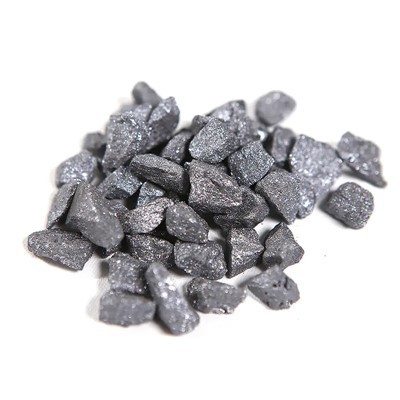
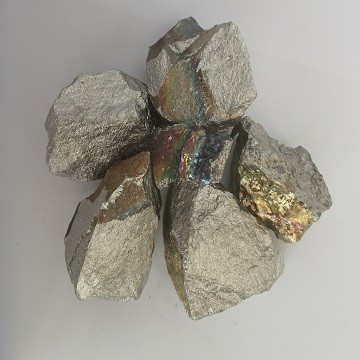
Silicon calcium alloy, primarily composed of silicon (Si) and calcium (Ca), is a highly specialized composite material used extensively in the secondary metallurgy of steel and the production of certain high-performance alloys. While it represents a relatively small volume in the broader ferroalloy market, its critical function in modifying non-metallic inclusions makes it irreplaceable in producing clean, high-quality steel.
The core value of silicon calcium alloy lies in its powerful deoxidation and desulfurization capabilities. During steelmaking, oxygen and sulfur are harmful impurities that lead to brittleness, poor weldability, and reduced mechanical properties. Calcium, even in small amounts, has a strong chemical affinity for both oxygen and sulfur. When added to molten steel, silicon calcium alloy forms low-melting-point calcium aluminates and calcium sulfides. These compounds are less dense than steel, allowing them to float to the surface of the slag, thereby "cleaning" the steel.
More importantly, the alloy transforms detrimental, hard, and angular alumina inclusions into harmless, spherical, and complex calcium aluminates. Why is this shape change so significant? Because spherical inclusions are far less likely to initiate cracks under stress compared to sharp ones, dramatically improving the steel's ductility, impact toughness, and fatigue resistance. This treatment is essential for critical applications such as oil and gas pipelines, automotive components, and heavy machinery.

Beyond steelmaking, silicon calcium alloy serves as a powerful deoxidizer and desulfurizer in the production of cast iron and certain non-ferrous alloys. It also functions as a high-temperature inoculant, refining the grain structure to enhance mechanical properties.
However, using the alloy presents challenges. How can manufacturers ensure a consistent recovery rate of calcium, which has a very low boiling point and readily vaporizes upon contact with hot steel? This demands precise addition methods, such as cored wire injection, where the alloy is fed deep into the molten bath within a steel sheath to prevent it from burning off at the surface.
In summary, while silicon calcium alloy is not a tonnage product, its role is strategic. For steelmakers aiming to meet the highest standards for steel cleanliness and mechanical reliability, understanding and controlling its addition is not just beneficial-it is essential.
📧E-mail: goldenltd.silicon@gmail.com 📞WhatsApp: http://wa.me/8616663721147