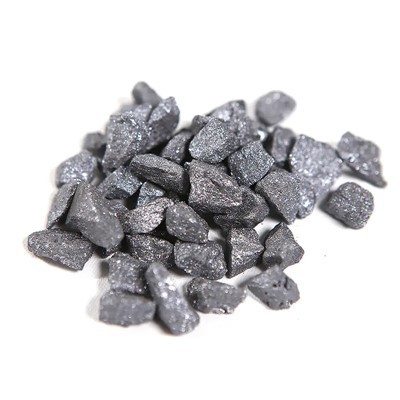
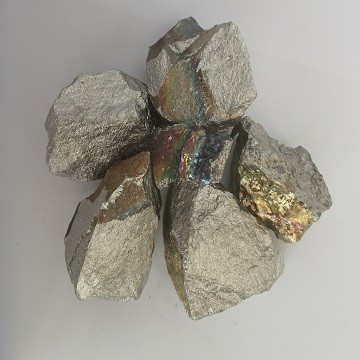
As industries worldwide accelerate their shift toward energy efficiency and low-carbon manufacturing, Graphite Petroleum Coke (GPC) has quietly become an essential industrial material. GPC is a high-purity carbon product derived from the calcination of green petroleum coke at temperatures exceeding 2,500°C. This process transforms amorphous carbon into a crystalline graphite-like structure, giving GPC exceptional properties such as high thermal and electrical conductivity, low thermal expansion, and remarkable resistance to oxidation.
The steel and aluminum industries remain the largest consumers of GPC, where it serves as a recarburizer to adjust carbon content in molten metal. Compared to conventional calcined petroleum coke, GPC offers faster dissolution and higher carbon recovery rates-often exceeding 95%-which reduces both production time and energy consumption. In 2024, global demand for GPC in steelmaking grew by approximately 8%, driven by the expansion of electric arc furnace (EAF) steel production, which requires high-quality carbon additives to produce premium-grade steel.
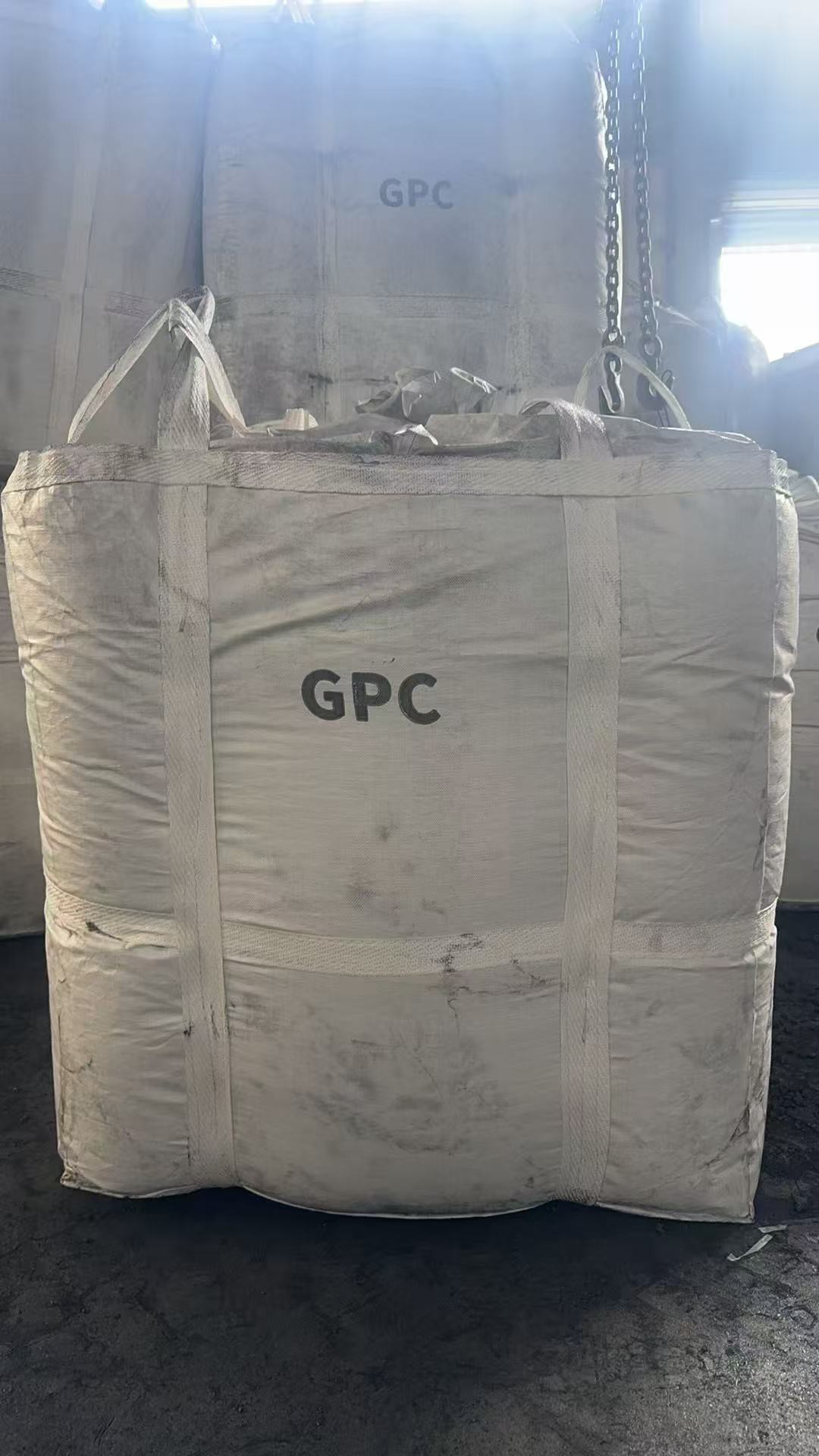
Beyond metallurgy, GPC is gaining traction in the manufacturing of anodes for lithium-ion batteries and advanced refractory materials. With the rapid growth of electric vehicles and grid-scale energy storage, battery anode producers are increasingly evaluating GPC as a cost-effective alternative to synthetic graphite. While natural and synthetic graphite currently dominate the battery market, GPC's competitive pricing and stable supply chain-especially from refineries in China, India, and the Middle East-are positioning it as a viable secondary material.
However, the GPC market faces environmental scrutiny. The calcination process emits significant CO₂ and particulate matter if not equipped with advanced emission controls. In response, leading producers are investing in closed-loop kiln systems and carbon capture technologies. China, which accounts for over 60% of global GPC supply, has tightened emission standards for calcining plants, leading to temporary price volatility in early 2025.
Market analysts project that GPC consumption will grow at a compound annual rate of 6–7% through 2030, fueled by both traditional steel demand and emerging energy storage applications. As industries balance performance, cost, and environmental compliance, GPC is poised to play an expanding role in the global carbon materials landscape.